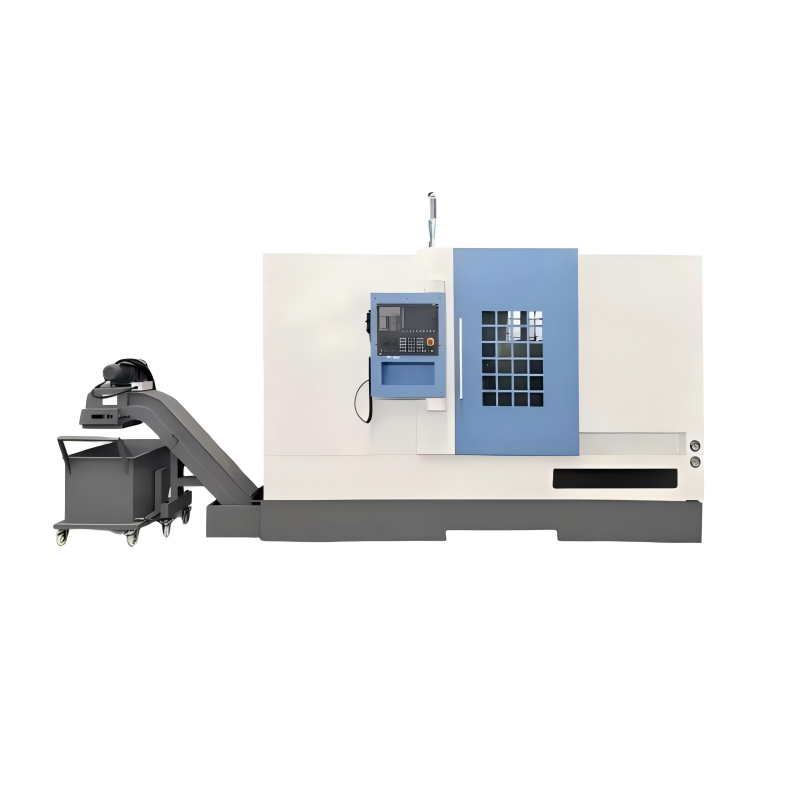
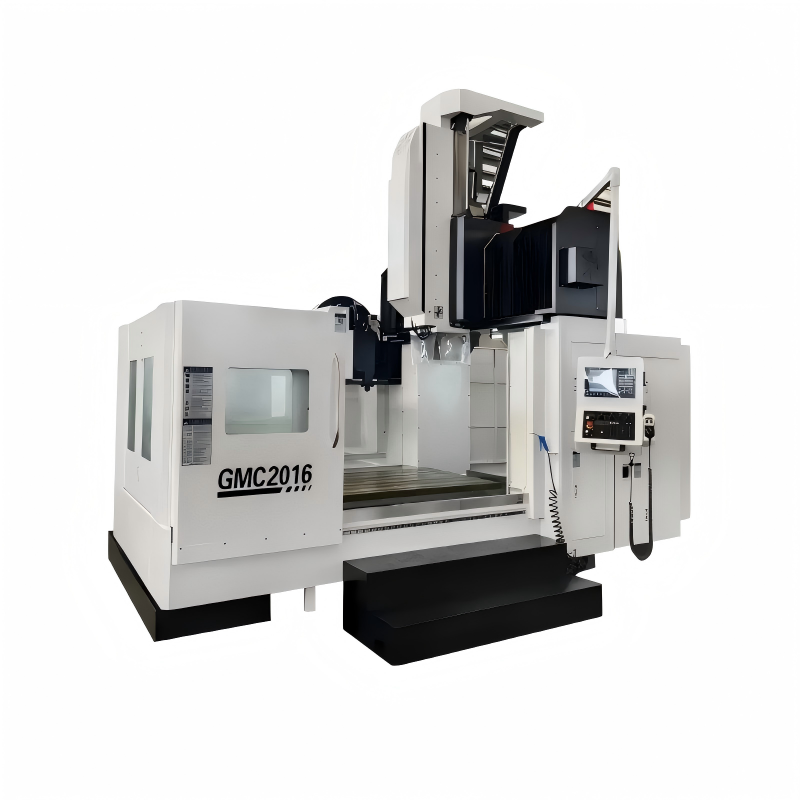
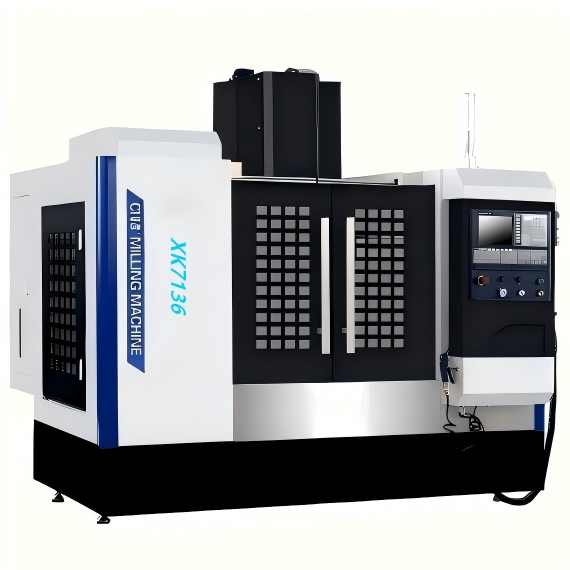
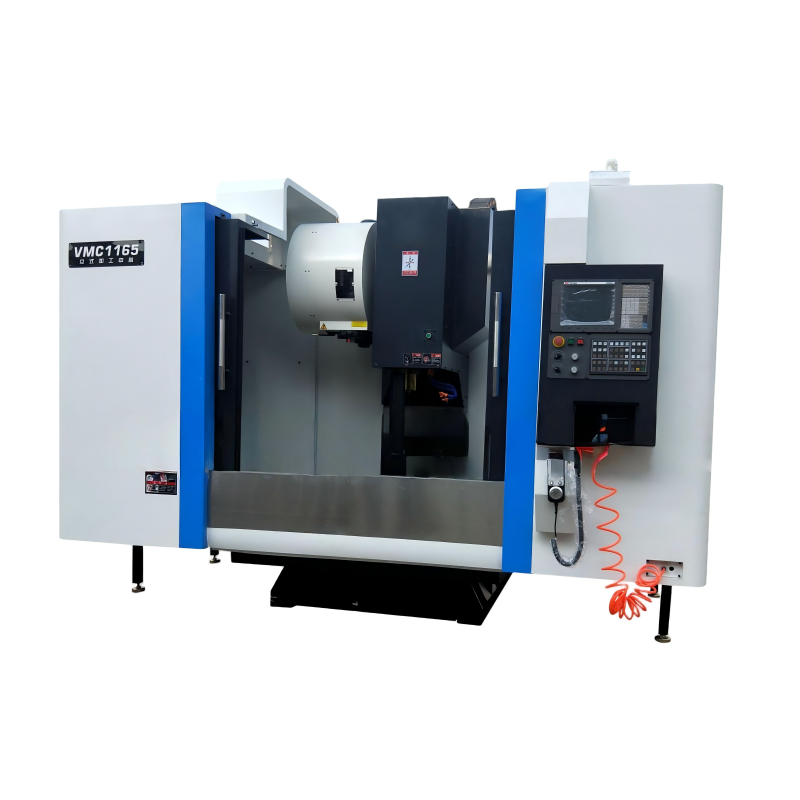
In the dynamic world of manufacturing, where precision and efficiency are paramount, the Horizontal Milling Machine stands out as a versatile tool that has revolutionized the production processes. This article delves into the various applications, advantages, and advancements associated with the horizontal milling machine, highlighting its pivotal role in modern manufacturing environments.
The Unmatched Precision and Flexibility of Horizontal Milling Machines
One of the most significant attributes of a horizontal milling machine is its ability to deliver high-precision cuts on a wide range of materials, including metals, plastics, and composites. The design of the horizontal milling machine allows for the spindle to be parallel to the worktable, which provides an optimal setup for performing operations such as slotting, drilling, and contouring. This orientation not only enhances the accuracy of the machining process but also makes it easier to handle larger and heavier workpieces. Moreover, the versatility of the horizontal milling machine is further augmented by the availability of various cutting tools and attachments, enabling manufacturers to undertake complex projects with ease. The integration of advanced control systems, like CNC (Computer Numerical Control), has also played a crucial role in elevating the precision and repeatability of these machines, making them indispensable in industries where tight tolerances and intricate designs are required.
Enhancing Efficiency Through Automation and Advanced Features
The evolution of the horizontal milling machine has been marked by continuous improvements aimed at enhancing operational efficiency. One key development in this regard is the incorporation of automation technologies, which have significantly reduced the need for manual intervention during the machining process. Automated tool changers, for instance, allow for quick and seamless switching between different cutting tools, thereby minimizing downtime and boosting productivity. Additionally, the use of high-speed spindles and more powerful motors has enabled faster material removal rates, without compromising on the quality of the finished product. These advancements, combined with the implementation of real-time monitoring and predictive maintenance systems, contribute to a more reliable and cost-effective manufacturing process. Furthermore, the adoption of Industry 4.0 principles, such as the Internet of Things (IoT) and data analytics, is opening new avenues for optimizing the performance of horizontal milling machines, paving the way for smarter, more interconnected factories of the future.
Sustainability and Environmental Considerations in Modern Manufacturing
As sustainability becomes an increasingly important consideration across all sectors, the role of the horizontal milling machine in promoting eco-friendly practices cannot be overlooked. By facilitating the efficient use of resources, these machines help minimize waste generation and energy consumption, aligning with global efforts towards environmental conservation. For example, the precise cutting capabilities of a horizontal milling machine reduce the amount of scrap material produced, which can then be recycled or repurposed. Similarly, advancements in cooling and lubrication systems, such as the use of Minimum Quantity Lubrication (MQL) techniques, have led to a reduction in the volume of coolant needed, thus lowering both the environmental impact and operational costs. Moreover, the durability and longevity of components manufactured using horizontal milling machines ensure that they require less frequent replacement, contributing to a lower carbon footprint over their lifecycle. As manufacturers continue to seek ways to balance economic growth with environmental responsibility, the horizontal milling machine remains a vital asset in achieving sustainable manufacturing goals.
In conclusion, the horizontal milling machine continues to play a transformative role in the landscape of modern manufacturing. Its unmatched precision, flexibility, and efficiency, coupled with ongoing technological advancements, make it an essential tool for businesses looking to stay competitive in a rapidly evolving market. Whether it's through improving production speeds, reducing waste, or supporting sustainable practices, the horizontal milling machine is poised to remain at the forefront of innovation in the years to come.