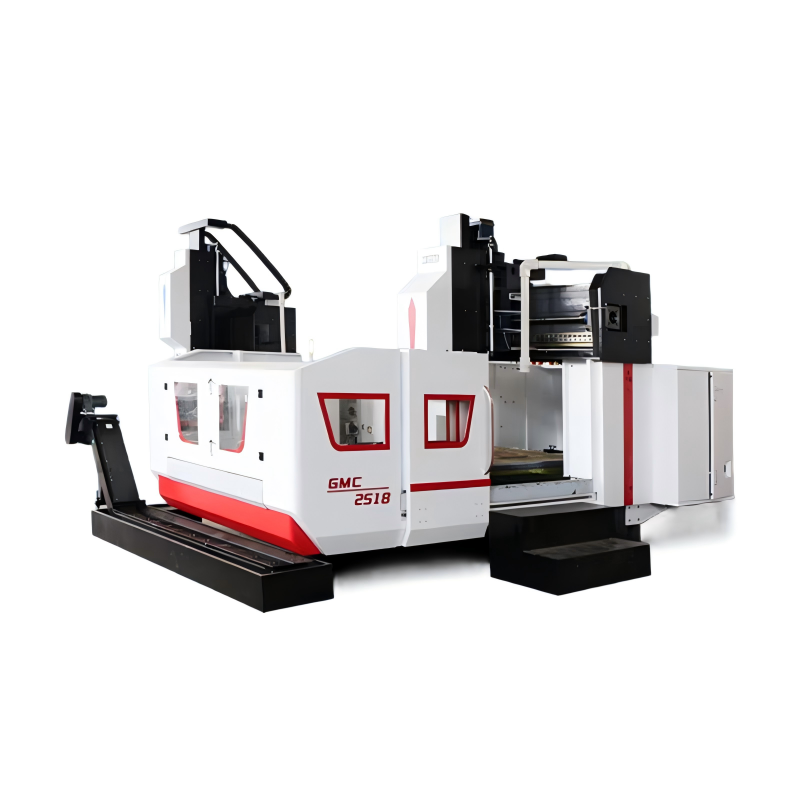
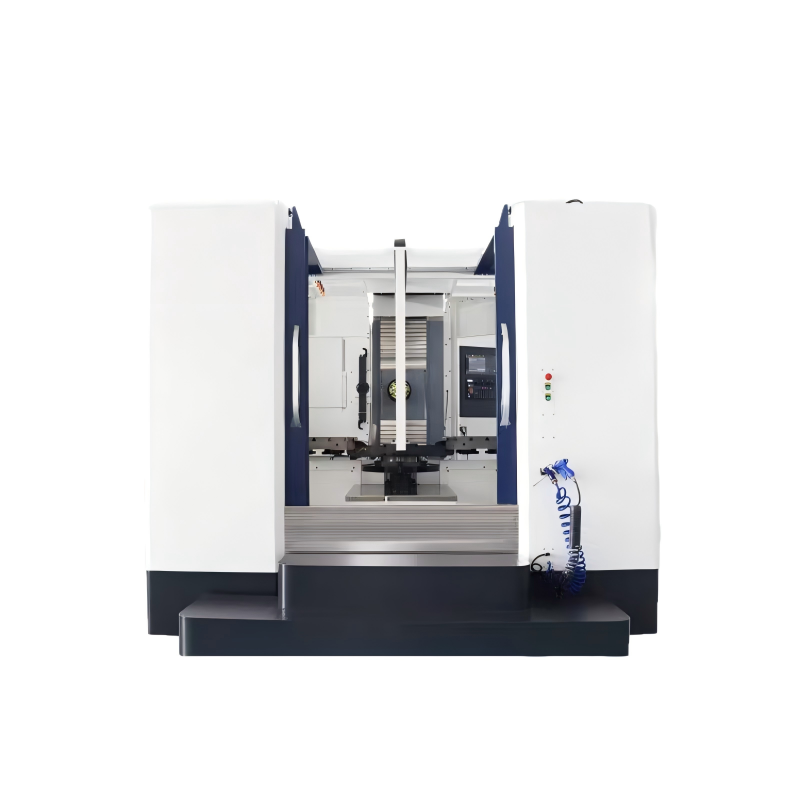
Floor type horizontal Machining Centers are a cornerstone of modern manufacturing, providing the precision and flexibility required for a wide range of applications. This report explores the efficiency of these machines, delving into their design, operational benefits, and how they contribute to overall productivity in industrial settings.
Enhanced Material Handling Capabilities
One of the key advantages of floor type Horizontal Machining Centers lies in their superior material handling capabilities. Unlike traditional Vertical Machining Centers, horizontal models allow for easier loading and unloading of workpieces, especially when dealing with heavy or large components. The horizontal orientation ensures that gravity assists in positioning the parts, reducing the need for additional support mechanisms. This not only speeds up the setup process but also minimizes the risk of damage to the workpiece during handling. Furthermore, the open layout of Floor type horizontal machining centers provides ample space for operators to access the machine, facilitating quicker changeovers and maintenance. The result is a more streamlined production process, where downtime is significantly reduced, and throughput is maximized.
Improved Chip Management and Coolant Flow
Effective chip management is crucial for maintaining the efficiency and longevity of any machining center. Floor type horizontal machining centers excel in this area due to their design, which allows chips to fall away from the cutting area naturally. This reduces the likelihood of chip re-cutting, which can lead to tool wear and poor surface finish. Additionally, the horizontal configuration makes it easier to implement advanced coolant systems. Coolant can be directed more precisely to the cutting zone, ensuring optimal cooling and lubrication. This not only extends tool life but also improves the quality of the machined parts. The efficient removal of chips and the consistent application of coolant contribute to a more stable and predictable machining process, leading to higher productivity and lower scrap rates.
Increased Flexibility and Versatility
Floor type horizontal machining centers are known for their versatility, capable of performing a wide range of operations on various materials. These machines are equipped with multiple axes, allowing for complex and multi-sided machining in a single setup. This capability reduces the need for multiple setups and transfers between different machines, thereby minimizing the potential for errors and improving overall accuracy. Moreover, the ability to integrate additional tools and accessories, such as rotary tables and pallet changers, further enhances the machine's flexibility. This makes floor type horizontal machining centers ideal for both high-volume production and small-batch, high-mix manufacturing environments. The adaptability of these machines ensures that they can meet the diverse needs of modern manufacturing, from aerospace and automotive to medical and consumer goods industries.
Advanced Automation and Integration
The integration of advanced automation technologies is another significant factor in the efficiency of floor type horizontal machining centers. These machines can be easily integrated with automated material handling systems, such as robotic arms and conveyor belts, to create fully automated production lines. This not only increases the speed of the manufacturing process but also reduces the reliance on manual labor, leading to cost savings and improved consistency. Additionally, floor type horizontal machining centers often come with sophisticated control systems that offer real-time monitoring and data analytics. These features enable manufacturers to optimize their processes, predict maintenance needs, and make informed decisions based on performance data. The combination of automation and data-driven insights results in a more efficient, reliable, and competitive manufacturing operation.
Conclusion
In conclusion, floor type horizontal machining centers offer a multitude of benefits that contribute to their high efficiency and effectiveness in modern manufacturing. Their enhanced material handling capabilities, improved chip management, increased flexibility, and advanced automation features make them indispensable tools in a variety of industrial settings. By leveraging these advantages, manufacturers can achieve higher productivity, better part quality, and greater overall efficiency, ultimately driving success in today’s competitive market.
 17/06/2026



