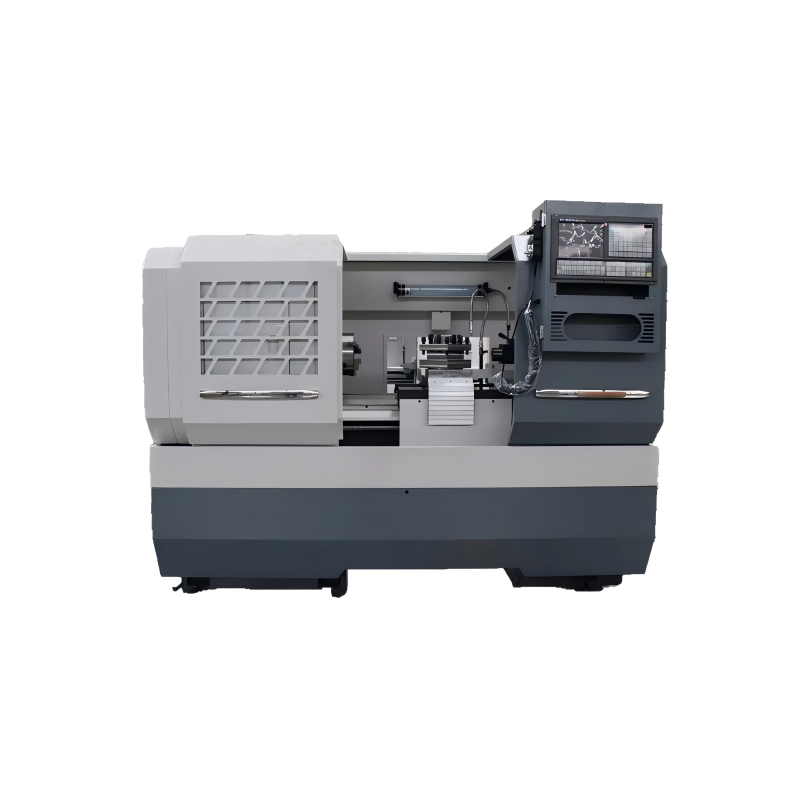
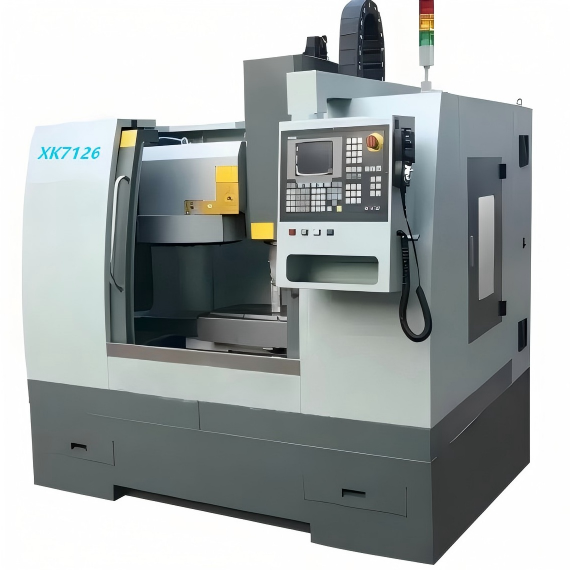
In the realm of precision engineering, CNC Lathes have emerged as indispensable tools for producing high-quality casing threads. The integration of computer numerical control (CNC) technology into traditional lathe operations has revolutionized thread cutting processes, ensuring accuracy and consistency in each component produced. This section delves into how CNC lathes are utilized specifically for creating casing threads, highlighting their advantages over conventional methods.
One of the primary benefits of using a CNC lathe for casing thread production is its ability to maintain tight tolerances. With advanced software controlling every movement, these machines can achieve unparalleled precision, which is crucial for applications where even minor deviations could compromise safety or performance. Furthermore, the automation provided by CNC systems allows for repeatable results, reducing human error and increasing overall efficiency in manufacturing environments.
Programming a CNC lathe to produce casing threads involves several key considerations that directly impact the quality and reliability of the final product. Firstly, it's essential to understand the specific requirements of the casing application, including thread type, pitch, and material specifications. This information guides the selection of appropriate cutting tools and machining parameters, such as speed, feed rate, and depth of cut.
Another critical aspect is the design of the tool path. Efficient programming not only ensures accurate thread profiles but also optimizes the machining process to minimize cycle times and tool wear. Advanced CAM (Computer-Aided Manufacturing) software plays a pivotal role here, enabling engineers to simulate and refine tool paths before actual production begins. By doing so, potential issues can be identified and resolved in the virtual environment, saving time and resources during the physical manufacturing stage.
Despite the many advantages offered by CNC lathes, there are still challenges associated with cutting casing threads that require special attention. One common issue is the tendency for long, thin components to vibrate or deflect under the cutting forces, leading to inaccuracies in the finished thread. To mitigate this, it's important to employ proper workholding techniques, such as using collets or chucks designed specifically for holding delicate parts securely without causing damage.
Material selection also poses a significant challenge, especially when working with exotic alloys or hardened steels commonly used in casing applications. These materials often demand specialized cutting tools and cooling/lubrication strategies to prevent excessive heat buildup, which can cause thermal expansion and affect dimensional accuracy. Modern CNC lathes equipped with high-pressure coolant delivery systems and advanced cutting tool geometries help address these concerns, allowing for efficient and reliable threading operations on a wide range of materials.
To further enhance productivity and flexibility in casing thread production, manufacturers are increasingly turning to CNC lathes with advanced features. Live tooling, for instance, enables secondary operations like drilling, milling, or tapping to be performed within the same setup, eliminating the need for multiple machine setups and reducing overall lead times. Additionally, multi-axis capabilities allow for complex geometries and non-parallel threads to be machined, expanding the range of possible applications.
Integration with Industry 4.0 technologies, such as IoT (Internet of Things) sensors and predictive maintenance algorithms, represents another area of innovation. These technologies enable real-time monitoring of machine performance and condition, facilitating proactive maintenance and minimizing downtime. By leveraging data analytics, manufacturers can optimize their CNC lathe operations, improving both the quality and throughput of casing thread production.
As we look towards the future, it's clear that CNC lathes will continue to play a central role in the machining of casing threads. Ongoing advancements in CNC technology, combined with innovative approaches to tooling, workholding, and process optimization, promise to drive even greater efficiencies and capabilities in this field. For manufacturers, embracing these developments and investing in state-of-the-art CNC solutions will be key to staying competitive and meeting the evolving demands of the industry.
 16/06/2026
In the realm of precision engineering, mastering the art of creating perfect casing threads using a CNC lathe is both an essential and intricate process. This article delves into the technical aspects, methodologies, and best practices that contribute to
Read More16/06/2026The Evolution of Casing Thread ManufacturingThe advent of CNC (Computer Numerical Control) lathes has marked a significant turning point in the manufacturing industry, particularly in the production of casing threads. Prior to the introduction of these ad
Read More16/06/2026In the domain of manufacturing, the production of casing threads using a CNC lathe represents an advanced application that combines precision engineering with efficient material processing. This technical report aims to explore several key strategies and
Read More16/06/2026With the advent of new technologies, the precision in manufacturing casing threads on a CNC (Computer Numerical Control) lathe has seen significant improvements. This report aims to explore how these advancements have contributed to higher quality and mor
Read MoreOur professional sales team is always ready to assist you.