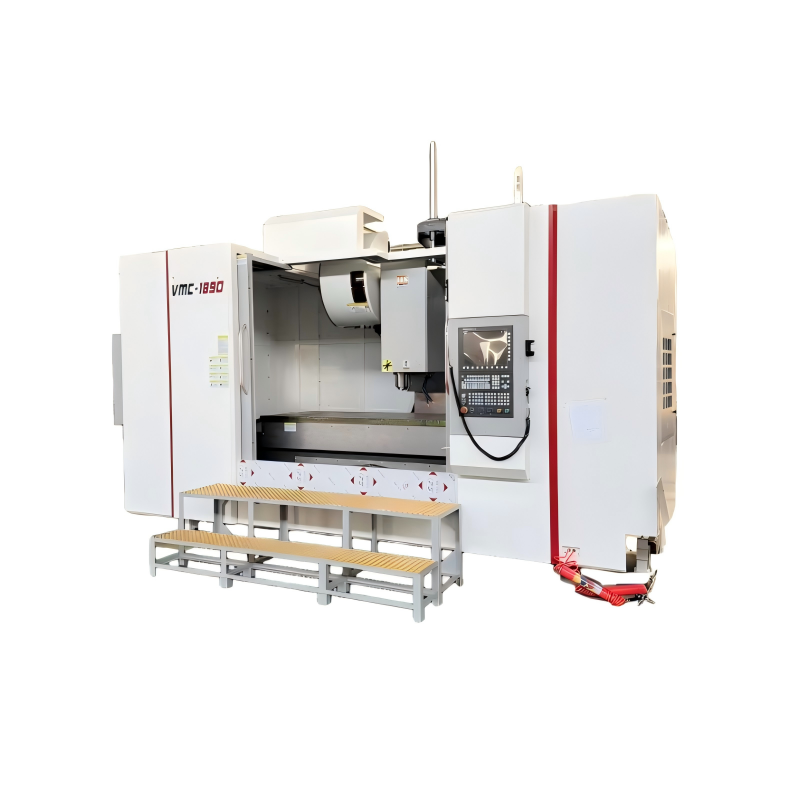
The advent of CNC (Computer Numerical Control) lathes has marked a significant turning point in the manufacturing industry, particularly in the production of casing threads. Prior to the introduction of these advanced machines, the process was labor-intensive and time-consuming, relying heavily on manual operations. The transition from traditional methods to Casing thread CNC Lathe technology has not only streamlined production but also enhanced precision, efficiency, and overall quality.
One of the key advantages of using CNC lathes is the ability to automate complex tasks. This automation reduces the need for skilled labor, which can be scarce and expensive. Moreover, CNC lathes can operate 24/7 with minimal supervision, leading to increased productivity and reduced downtime. The consistency and accuracy of the threads produced by these machines are unparalleled, ensuring that each casing meets the exact specifications required.
Precision is a critical factor in the manufacturing of casing threads, as even minor deviations can lead to significant issues in the final application. Traditional lathes, while capable, often struggle to maintain the same level of precision over extended periods. In contrast, Casing thread CNC lathe machines use computer-aided design (CAD) and computer-aided manufacturing (CAM) software to create highly accurate and repeatable parts.
The use of CAD/CAM software allows for the precise programming of tool paths, ensuring that each thread is cut to the exact dimensions specified. This level of control is particularly important in industries such as oil and gas, where the integrity of the casing threads is crucial for the safety and performance of the well. Additionally, the ability to store and recall programs means that once a part is programmed, it can be reproduced with the same high level of accuracy, reducing the risk of human error and improving overall product consistency.
Efficiency is another major benefit of using Casing thread CNC lathe technology. These machines can perform multiple operations in a single setup, eliminating the need for multiple setups and reducing the time required to complete a job. This not only speeds up the production process but also minimizes the potential for errors that can occur during setup changes.
Furthermore, CNC lathes can handle a wide range of materials, including steel, aluminum, and various alloys, making them versatile tools for different applications. The ability to switch between materials and jobs quickly and efficiently reduces setup times and increases overall productivity. This flexibility, combined with the high speed and precision of the machines, results in significant cost savings for manufacturers. The reduction in labor costs, material waste, and production time all contribute to a more cost-effective and competitive manufacturing process.
The integration of Casing thread CNC lathe machines with other advanced technologies, such as robotics and artificial intelligence (AI), further enhances their capabilities. Robotic systems can be used to load and unload parts, perform inspections, and even change tools, further automating the production process. AI and machine learning algorithms can be employed to optimize tool paths, predict maintenance needs, and detect anomalies in real-time, ensuring that the machines operate at peak efficiency.
For example, predictive maintenance can help identify potential issues before they become critical, reducing downtime and extending the life of the machine. Real-time monitoring and data analytics can provide valuable insights into the production process, allowing for continuous improvement and optimization. The combination of these advanced technologies with CNC lathes creates a highly efficient and intelligent manufacturing system that can adapt to changing demands and improve over time.
As technology continues to advance, the role of Casing thread CNC lathe machines in the manufacturing industry is expected to grow. One of the emerging trends is the use of additive manufacturing (3D printing) in conjunction with CNC machining. While 3D printing offers the ability to create complex geometries, CNC lathes can be used to finish and refine the parts, combining the best of both worlds.
Another area of innovation is the development of more sustainable and environmentally friendly manufacturing processes. CNC lathes can play a crucial role in this by reducing material waste, optimizing energy consumption, and using eco-friendly cutting fluids. Additionally, the use of recycled materials and the implementation of circular economy principles can further enhance the sustainability of the manufacturing process.
In conclusion, the adoption of Casing thread CNC lathe technology has revolutionized the manufacturing of casing threads, offering unprecedented levels of precision, efficiency, and cost-effectiveness. As the technology continues to evolve, the integration of advanced features and the pursuit of sustainability will ensure that CNC lathes remain at the forefront of the manufacturing industry.
 16/06/2026
In the realm of precision engineering, mastering the art of creating perfect casing threads using a CNC lathe is both an essential and intricate process. This article delves into the technical aspects, methodologies, and best practices that contribute to
Read More16/06/2026In the domain of manufacturing, the production of casing threads using a CNC lathe represents an advanced application that combines precision engineering with efficient material processing. This technical report aims to explore several key strategies and
Read More16/06/2026Understanding the Role of CNC Lathes in Casing Thread ProductionIn the realm of precision engineering, CNC lathes have emerged as indispensable tools for producing high-quality casing threads. The integration of computer numerical control (CNC) technology
Read More16/06/2026With the advent of new technologies, the precision in manufacturing casing threads on a CNC (Computer Numerical Control) lathe has seen significant improvements. This report aims to explore how these advancements have contributed to higher quality and mor
Read MoreOur professional sales team is always ready to assist you.