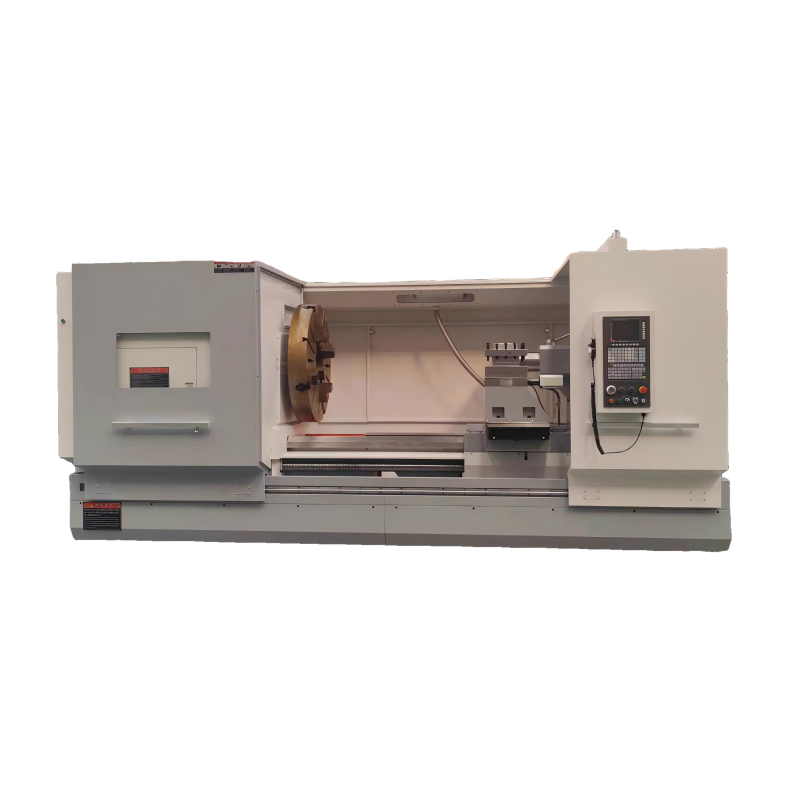
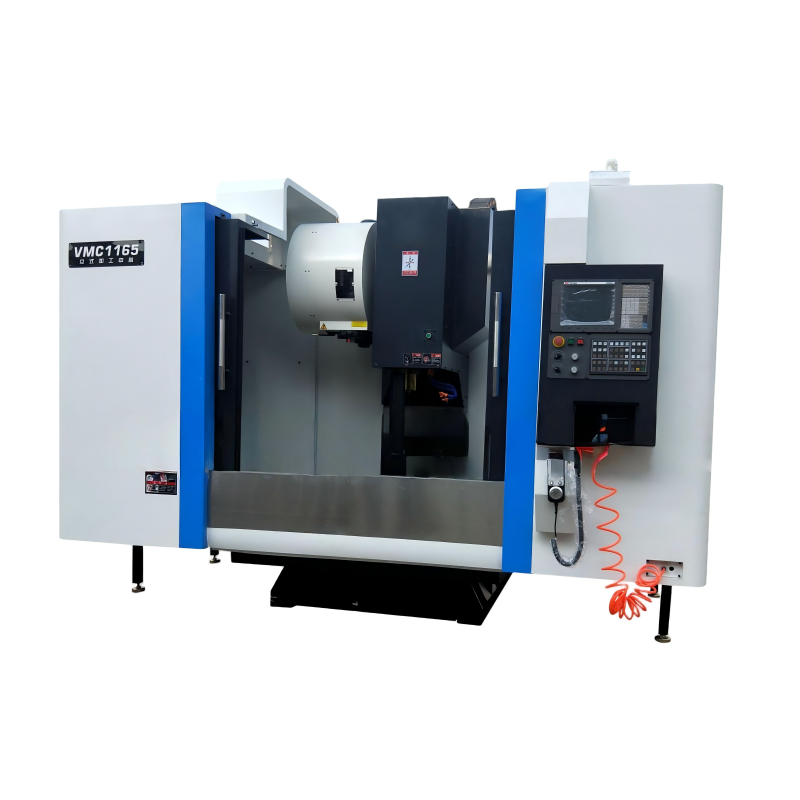
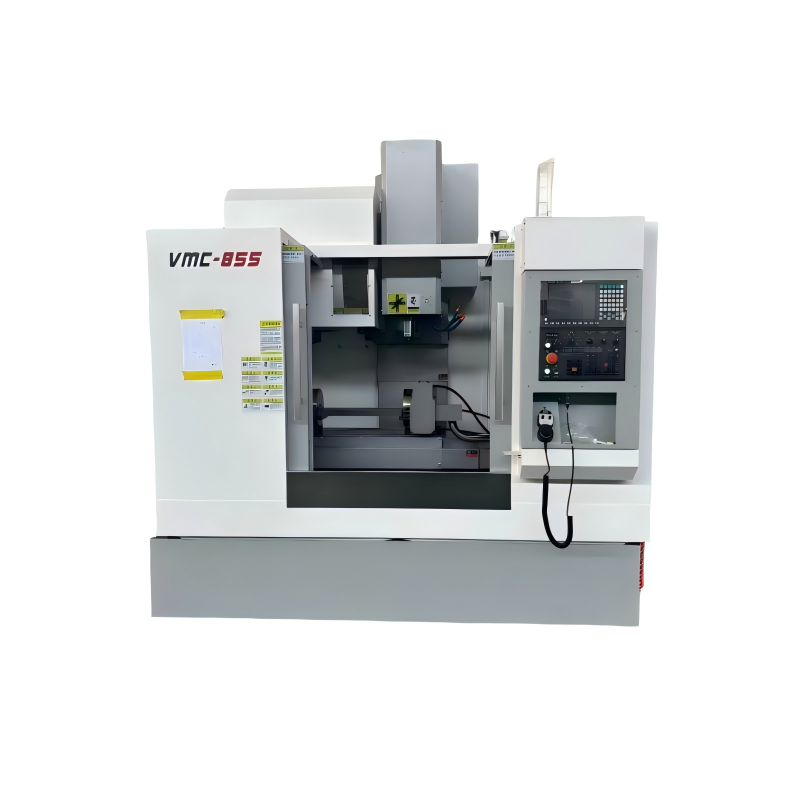
The evolution of manufacturing technologies has been marked by continuous innovation, with the 2-Axis CNC Lathe standing out as a pivotal tool in this transformation. This report delves into the versatility and critical applications of the 2-Axis CNC Lathe within modern manufacturing processes, highlighting its advantages, operational principles, and future prospects.
A 2-Axis CNC (Computer Numerical Control) lathe is a sophisticated machine designed for precision machining. It operates on two primary axes: X and Z. The X-axis controls the movement across the diameter of the workpiece, while the Z-axis manages the longitudinal motion. This dual-axis system allows for highly accurate cuts and shapes, making it an indispensable asset in industries requiring tight tolerances and complex geometries. Unlike manual lathes, which rely heavily on the operator's skill, a 2-Axis CNC lathe utilizes programmed instructions to execute tasks, minimizing human error and ensuring consistent quality. The integration of advanced software enables operators to input detailed designs, which are then translated into precise movements by the machine. This level of automation not only enhances productivity but also reduces the need for extensive training, as the machine can perform intricate operations with minimal supervision.
The adoption of 2-Axis CNC lathes brings several key benefits to the manufacturing process. One of the most significant advantages is the high degree of accuracy and repeatability they offer. These machines can achieve tolerances that are difficult or impossible to attain with manual lathes, ensuring that each part produced meets the exact specifications. Additionally, 2-Axis CNC lathes are highly efficient, capable of operating continuously without the need for breaks, thus maximizing production output. The ability to program and store multiple jobs means that switching between different tasks is quick and straightforward, reducing downtime and increasing overall efficiency. Furthermore, these lathes are versatile and can handle a wide range of materials, from metals like aluminum and steel to plastics and composites. This versatility makes them suitable for various industries, including automotive, aerospace, and medical device manufacturing. The combination of precision, efficiency, and material flexibility positions 2-Axis CNC lathes as a cornerstone of modern manufacturing.
The 2-Axis CNC lathe finds extensive use across a multitude of industries, each leveraging its capabilities to meet specific needs. In the automotive sector, these lathes are employed to produce components such as engine parts, shafts, and gears, where precision and durability are paramount. The aerospace industry relies on 2-Axis CNC lathes to manufacture critical components that must withstand extreme conditions, such as turbine blades and structural parts. In the medical field, the lathes are used to create surgical instruments and implants, where the highest levels of accuracy and surface finish are required. The electronics industry also benefits from the 2-Axis CNC lathe's ability to produce small, intricate components with tight tolerances, such as connectors and enclosures. Beyond these sectors, 2-Axis CNC lathes are also utilized in the production of consumer goods, where their versatility and precision contribute to the creation of high-quality products. The adaptability of these machines to different materials and the ability to handle complex geometries make them an essential tool in the modern manufacturing landscape.
While 2-Axis CNC lathes offer numerous advantages, their implementation is not without challenges. One of the primary issues is the initial investment cost, which can be substantial due to the advanced technology and precision engineering involved. However, the long-term benefits, such as increased productivity and reduced waste, often justify the expense. Another challenge is the need for skilled operators who can program and maintain the machines effectively. To address this, many manufacturers provide comprehensive training programs and support services to ensure that operators are well-versed in the machine's operation and maintenance. Additionally, the integration of 2-Axis CNC lathes into existing production lines may require modifications to workflows and infrastructure. Advanced planning and collaboration with experienced suppliers can help mitigate these challenges, ensuring a smooth transition. Finally, the ongoing development of more user-friendly software and automation features continues to make 2-Axis CNC lathes more accessible and easier to operate, further enhancing their value in the manufacturing process.
The future of 2-Axis CNC lathe technology is poised for even greater advancements, driven by the demands of evolving manufacturing landscapes. One key trend is the integration of Industry 4.0 technologies, such as IoT (Internet of Things) and AI (Artificial Intelligence), which will enable real-time monitoring and predictive maintenance, reducing downtime and improving overall efficiency. Enhanced software capabilities, including more intuitive user interfaces and advanced simulation tools, will make programming and setup easier, allowing for faster and more flexible production. Additionally, the development of new cutting tools and materials will expand the range of applications for 2-Axis CNC lathes, enabling the production of even more complex and innovative components. Sustainability is another area of focus, with efforts to reduce energy consumption and minimize waste through optimized machining processes and the use of eco-friendly materials. As these trends continue to shape the industry, 2-Axis CNC lathes will remain at the forefront of modern manufacturing, driving innovation and efficiency in the years to come.
In conclusion, the 2-Axis CNC lathe is a versatile and powerful tool that plays a crucial role in modern manufacturing. Its precision, efficiency, and adaptability make it an essential asset across a wide range of industries. By addressing the challenges associated with its implementation and embracing emerging technologies, manufacturers can fully leverage the potential of 2-Axis CNC lathes to enhance their production capabilities and stay competitive in a rapidly evolving market.
 22/06/2026
Understanding the Basics of 2-Axis CNC Lathe The 2-axis CNC lathe is a fundamental machine in the world of manufacturing, especially suited for small shops looking to increase efficiency while maintaining cost-effectiveness. These machines operate along t
Read More22/06/2026In the realm of precision machining, the 2-Axis CNC Lathe plays a pivotal role in achieving high-precision and efficient manufacturing. This technical report delves into the various aspects of how a 2-Axis CNC Lathe contributes to the field, highlighting
Read MoreOur professional sales team is always ready to assist you.