Choosing the right tools for your Two-Axis CNC Lathe is a critical step in ensuring both the efficiency and quality of your machining processes. A well-equipped lathe can significantly enhance productivity, reduce downtime, and produce high-precision parts. This article will guide you through the key considerations and best practices for selecting the appropriate tools for your Two-Axis CNC Lathe.
Understanding the Basics of Two-Axis CNC Lathes
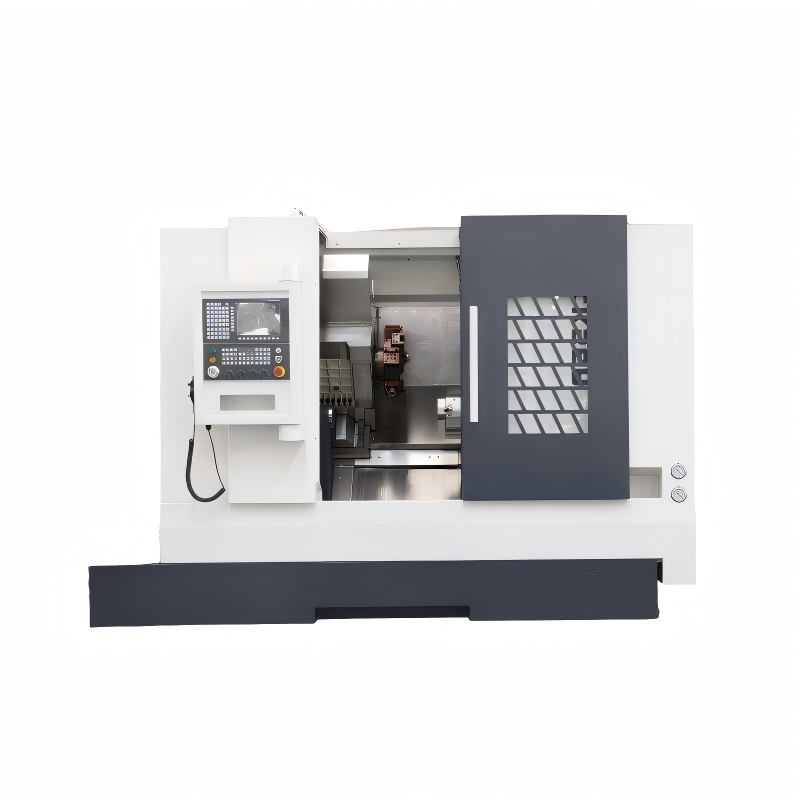
A Two-Axis CNC Lathe operates on two primary axes: the X-axis (horizontal) and the Z-axis (vertical). These lathes are designed to perform turning operations, such as facing, threading, and grooving, with high precision. The X-axis controls the cross-slide, which moves the tool perpendicular to the workpiece, while the Z-axis controls the longitudinal movement of the tool along the length of the workpiece.
To maximize the performance of your Two-Axis CNC Lathe, it is essential to understand the specific requirements of your machining tasks and the capabilities of the lathe itself. This includes factors such as the material being machined, the desired surface finish, and the complexity of the part geometry.
Selecting the Right Cutting Tools
The choice of cutting tools is one of the most important decisions in CNC lathe operations. The right tools can significantly impact the quality of the finished part, the speed of the machining process, and the overall cost-effectiveness of the operation. Here are some key considerations when selecting cutting tools for your Two-Axis CNC Lathe:
- Material Compatibility: Different materials require different types of cutting tools. For example, high-speed steel (HSS) tools are suitable for softer materials like aluminum and brass, while carbide tools are better for harder materials like stainless steel and titanium.
- Tool Geometry: The geometry of the cutting tool, including the rake angle, clearance angle, and cutting edge, should be chosen based on the specific machining task. For instance, a tool with a positive rake angle is better for finishing operations, while a negative rake angle is more suitable for roughing.
- Tool Coatings: Tool coatings, such as TiN (Titanium Nitride) or AlTiN (Aluminum Titanium Nitride), can improve the tool's wear resistance and extend its life. These coatings also help to reduce friction and heat generation during the cutting process.
- Coolant and Lubrication: Proper coolant and lubrication are essential for maintaining the tool's performance and extending its lifespan. The type of coolant used (e.g., water-soluble, oil-based) should be compatible with the material being machined and the tool's coating.
By carefully considering these factors, you can select the most appropriate cutting tools for your Two-Axis CNC Lathe, ensuring optimal performance and longevity.
Optimizing Tool Holders and Inserts
Tool holders and inserts play a crucial role in the overall performance of your Two-Axis CNC Lathe. The right combination of tool holders and inserts can enhance the stability, accuracy, and efficiency of the machining process. Here are some key points to consider:
- Tool Holder Types: There are various types of tool holders available, including collet chucks, quick-change tool holders, and modular tool holders. Each type has its advantages and is suitable for different applications. For example, quick-change tool holders are ideal for high-volume production, as they allow for rapid tool changes and minimize downtime.
- Insert Selection: Inserts are the replaceable cutting edges that are mounted in the tool holder. The selection of inserts should be based on the material being machined, the required surface finish, and the machining parameters (e.g., cutting speed, feed rate). Indexable inserts, which can be rotated to present a new cutting edge, are a popular choice for their versatility and cost-effectiveness.
- Clamping Force and Stability: The clamping force of the tool holder is critical for maintaining the stability of the cutting tool during the machining process. A properly clamped tool reduces vibration and chatter, leading to better surface finishes and longer tool life. Ensure that the tool holder is securely fastened and that the insert is correctly seated to achieve the best results.
- Tool Path and Programming: The tool path and programming of the CNC lathe should be optimized to take full advantage of the selected tool holders and inserts. This includes choosing the appropriate cutting parameters, such as spindle speed, feed rate, and depth of cut, to ensure efficient and accurate machining. Advanced CAM (Computer-Aided Manufacturing) software can help in generating optimal tool paths and reducing cycle times.
By optimizing the selection and use of tool holders and inserts, you can achieve higher productivity and better part quality from your Two-Axis CNC Lathe.
Maintenance and Tool Life Management
Proper maintenance and tool life management are essential for ensuring the long-term performance and reliability of your Two-Axis CNC Lathe. Regular maintenance and monitoring of tool wear can help prevent unexpected downtime and maintain consistent part quality. Here are some best practices for maintaining your CNC lathe and managing tool life:
- Regular Cleaning and Inspection: Regularly clean and inspect the lathe, including the ways, slides, and tool holders, to remove chips, dirt, and other debris. This helps to prevent wear and ensures smooth operation. Inspect the tool holders and inserts for signs of wear or damage, and replace them as needed.
- Tool Wear Monitoring: Monitor the wear of your cutting tools using visual inspection, tool wear sensors, or advanced monitoring systems. By tracking tool wear, you can predict when a tool needs to be replaced, reducing the risk of producing out-of-tolerance parts and minimizing downtime.
- Tool Storage and Handling: Store cutting tools and inserts in a clean, dry, and organized manner to prevent damage and corrosion. Use proper handling techniques to avoid dropping or damaging the tools. Consider using tool storage solutions, such as tool cabinets or drawers, to keep your tools organized and easily accessible.
- Training and Documentation: Ensure that operators are trained in the proper use and maintenance of the CNC lathe and its tools. Provide clear documentation and guidelines for tool selection, setup, and maintenance. Regular training and refresher courses can help operators stay up-to-date with the latest best practices and technologies.
By implementing these maintenance and tool life management practices, you can extend the life of your cutting tools, reduce operational costs, and ensure the continued high performance of your Two-Axis CNC Lathe.
Conclusion
Choosing the right tools for your Two-Axis CNC Lathe is a multifaceted process that requires careful consideration of various factors, including material compatibility, tool geometry, tool coatings, and tool holders. By understanding the specific requirements of your machining tasks and following best practices for tool selection, optimization, and maintenance, you can achieve higher productivity, better part quality, and longer tool life. Investing time and effort in selecting and managing your CNC lathe tools will pay off in the form of improved efficiency and reduced operational costs.
 22/06/2026



