In the realm of precision machining, Two-Axis CNC Lathes play a pivotal role in transforming raw materials into intricate and accurate components. This report aims to provide an in-depth understanding of the basics of Two-Axis CNC Lathe operations, highlighting key operational principles, advantages, and applications.
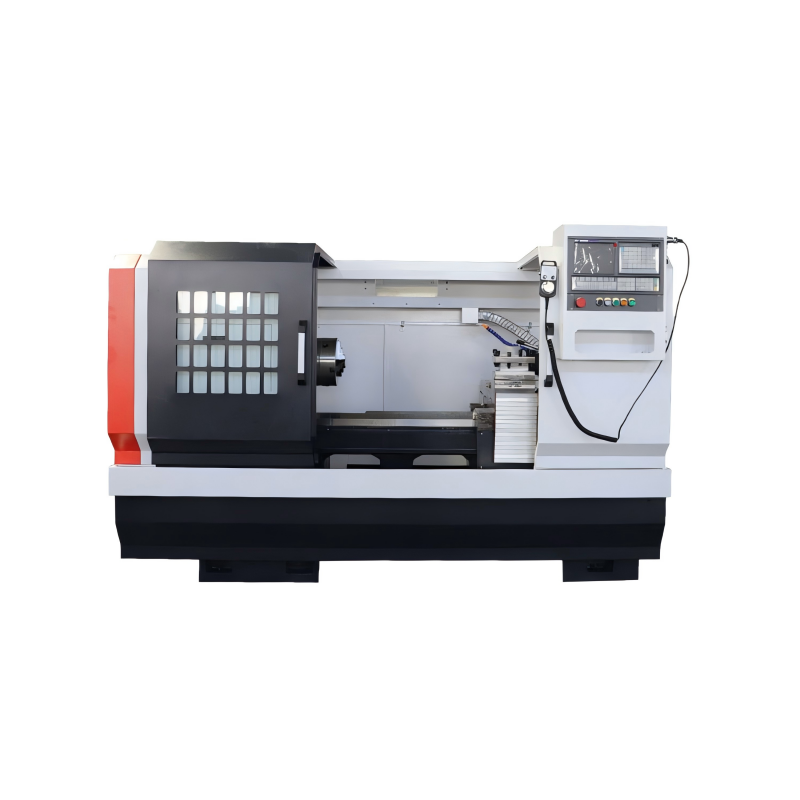
A Two-Axis CNC Lathe is a type of computer-controlled machine that operates on two primary axes: X and Z. The X-axis typically represents the cross-slide motion, while the Z-axis controls the longitudinal movement. These lathes are equipped with a spindle that rotates the workpiece, allowing for precise cutting and shaping. The integration of Computer Numerical Control (CNC) technology enables these machines to perform complex operations with high accuracy and repeatability.
The fundamental components of a Two-Axis CNC Lathe include the bed, headstock, tailstock, tool turret, and control panel. The bed provides the foundation and support for all other components, while the headstock houses the spindle and drives the workpiece. The tailstock supports the workpiece from the opposite end, ensuring stability during operation. The tool turret holds various cutting tools, which can be automatically indexed to perform different tasks. The control panel is where operators input the G-code, which dictates the machine's movements and operations.
The operational principles of a Two-Axis CNC Lathe are based on the interaction between the machine's mechanical components and the CNC system. The process begins with the creation of a part program, which is a set of instructions written in G-code. This code specifies the exact movements and actions required to produce the desired part. Once the program is loaded into the control panel, the operator initiates the machining process.
During operation, the spindle rotates the workpiece at a specified speed, while the tool turret moves along the X and Z axes to perform cutting operations. The CNC system continuously monitors and adjusts the position and speed of the cutting tools to ensure precision and consistency. The use of coolant and lubricants is also common to reduce friction and heat, prolonging the life of the cutting tools and improving surface finish.
One of the key advantages of using a Two-Axis CNC Lathe is its ability to automate repetitive and complex tasks. This not only increases productivity but also reduces the likelihood of human error. Additionally, the precision and repeatability of CNC lathes make them ideal for producing high-precision parts, such as those used in the aerospace, automotive, and medical industries.
Two-Axis CNC Lathes offer several advantages over traditional manual lathes, including increased precision, higher production rates, and reduced labor costs. The ability to program and store multiple part programs allows for quick and easy setup changes, making these machines highly versatile. They are capable of performing a wide range of operations, such as turning, facing, threading, and drilling, all with minimal human intervention.
The applications of Two-Axis CNC Lathes are diverse and span across various industries. In the automotive industry, they are used to manufacture engine components, such as pistons, crankshafts, and camshafts. In the aerospace sector, these lathes are employed to produce precision parts for aircraft engines and structural components. The medical industry also benefits from the precision and reliability of CNC lathes, using them to create surgical instruments, implants, and other medical devices.
Furthermore, Two-Axis CNC Lathes are increasingly being integrated into automated manufacturing systems, where they work in conjunction with other CNC machines and robotic systems to create fully automated production lines. This integration not only enhances efficiency but also improves the overall quality and consistency of the manufactured parts.
To ensure optimal performance and longevity, regular maintenance of Two-Axis CNC Lathes is essential. This includes routine cleaning, lubrication, and inspection of all mechanical and electrical components. The spindle, tool turret, and guideways should be kept free of debris and properly lubricated to prevent wear and tear. Regular calibration of the CNC system is also crucial to maintain accuracy and precision.
When troubleshooting issues with a Two-Axis CNC Lathe, it is important to systematically identify and address the root cause of the problem. Common issues may include tool wear, misalignment, or errors in the G-code. By regularly monitoring the machine's performance and addressing any anomalies promptly, operators can minimize downtime and ensure consistent output.
Additionally, modern CNC lathes often come equipped with diagnostic tools and software that can help in identifying and resolving issues. These tools can provide real-time data on the machine's performance, allowing operators to make informed decisions and take corrective actions as needed.
Understanding the basics of Two-Axis CNC Lathe operations is crucial for anyone involved in precision machining. These machines offer a combination of high precision, versatility, and automation, making them indispensable in a wide range of industries. By mastering the operational principles, advantages, and maintenance practices, operators can maximize the potential of these powerful tools and contribute to the production of high-quality, precision components.
 22/06/2026
Choosing the right tools for your Two-Axis CNC Lathe is a critical step in ensuring both the efficiency and quality of your machining processes. A well-equipped lathe can significantly enhance productivity, reduce downtime, and produce high-precision part
Read MoreOur professional sales team is always ready to assist you.