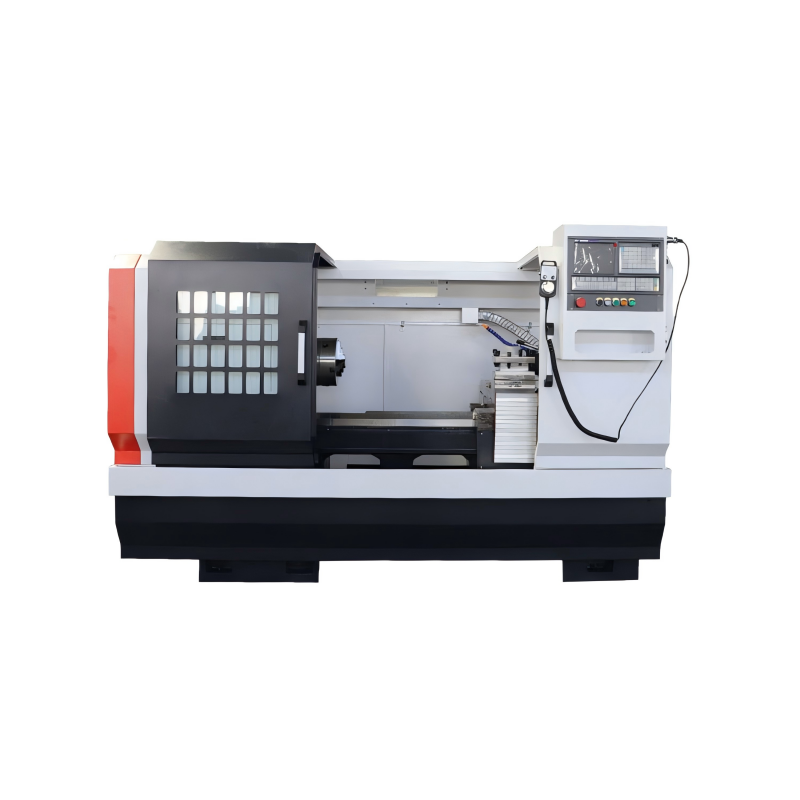
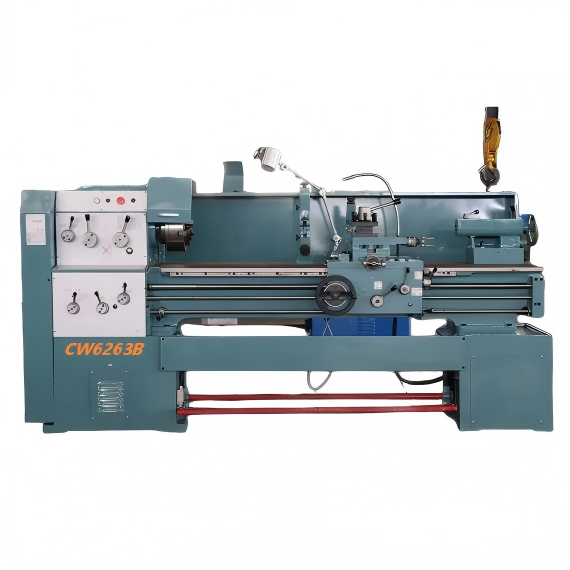
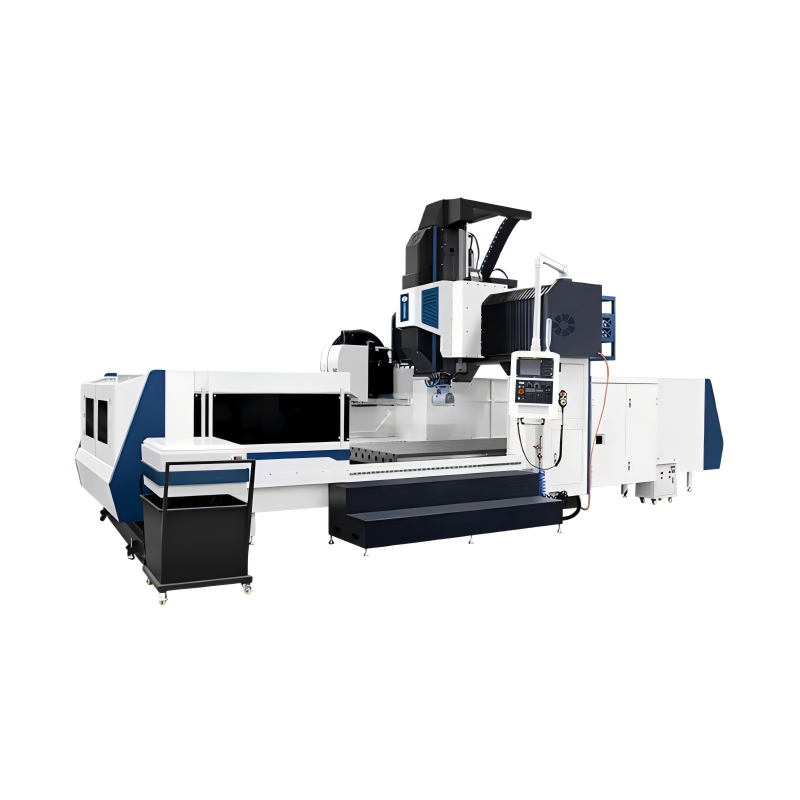
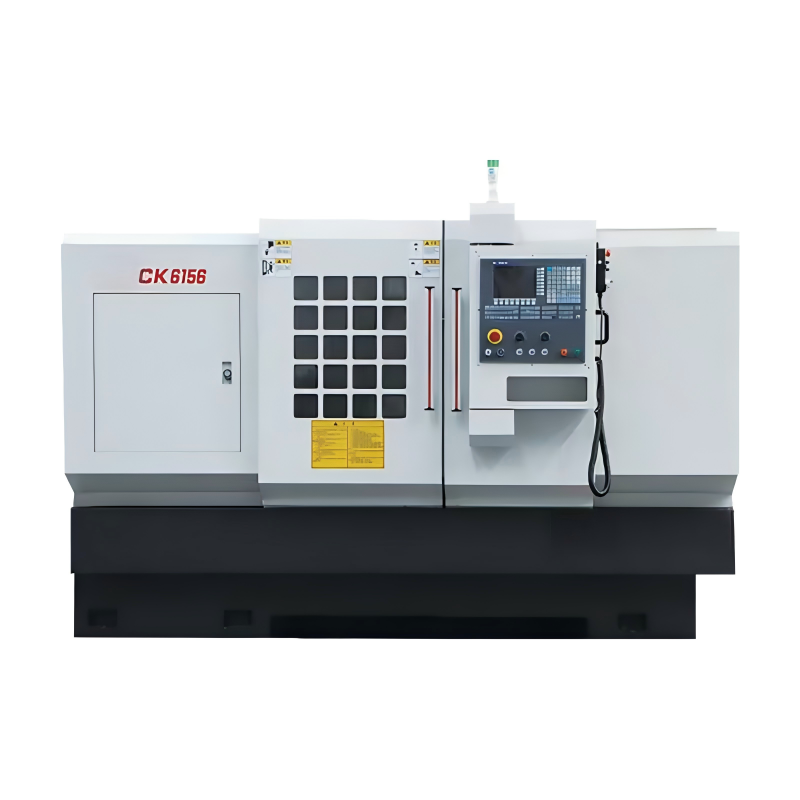
In the realm of precision manufacturing, the X-Z Axis CNC Lathe stands out as a versatile tool for creating intricate and accurate parts. This technical report delves into the critical role of the Z axis in CNC Lathe operations, providing an in-depth understanding of its functionality and significance.
The Z axis is one of the primary axes in a CNC lathe, responsible for the linear movement along the spindle's axis. This axis is crucial for several operations, including drilling, threading, and turning. The Z axis allows the cutting tool to move longitudinally, enabling the machine to perform various tasks with high precision and efficiency. In an X-Z Axis CNC Lathe, the Z axis is typically aligned with the centerline of the workpiece, ensuring that the tool can reach all necessary points along the length of the part.
Understanding the Z axis's role is essential for operators and engineers, as it directly impacts the quality and accuracy of the final product. The Z axis's ability to move the tool along the workpiece's length makes it indispensable for operations such as facing, where the end of the workpiece is machined to a flat surface, and for turning, where the outer diameter of the workpiece is shaped.
Effective programming and control of the Z axis are vital for achieving the desired results in CNC lathe operations. Modern CNC lathes use G-codes to instruct the machine on how to move the tool along the Z axis. These codes define the starting and ending points, feed rates, and other parameters that govern the tool's movement. For example, the G01 code is used for linear interpolation, allowing the tool to move in a straight line at a specified feed rate.
Advanced CNC lathes often come equipped with sophisticated control systems that allow for precise and dynamic adjustments of the Z axis. These systems can handle complex operations, such as taper turning and threading, by continuously adjusting the tool's position and speed. The ability to program and control the Z axis with such precision is a key factor in the versatility and efficiency of CNC lathes.
Operators must have a thorough understanding of the G-codes and the control system to effectively program the Z axis. This knowledge enables them to optimize the machining process, reduce cycle times, and improve the overall quality of the finished parts. Additionally, modern CNC lathes often include features like automatic tool changers and multi-axis capabilities, which further enhance the Z axis's functionality and the machine's overall performance.
The accuracy of the Z axis is a critical factor in determining the quality of the parts produced by a CNC lathe. Any deviation in the Z axis's movement can lead to dimensional errors, surface finish issues, and even complete failure of the part. Therefore, maintaining high accuracy in the Z axis is paramount for successful CNC lathe operations.
To ensure Z axis accuracy, regular maintenance and calibration are essential. This includes checking and adjusting the backlash, which is the play between the moving parts of the Z axis. Backlash can cause inaccuracies in the tool's positioning, leading to poor part quality. Additionally, the linear guides and bearings that support the Z axis must be kept in good condition to prevent wear and tear, which can also affect accuracy.
Modern CNC lathes often incorporate advanced technologies, such as linear scales and encoders, to monitor and maintain the Z axis's accuracy. These devices provide real-time feedback on the tool's position, allowing the control system to make adjustments as needed. By integrating these technologies, manufacturers can achieve higher levels of precision and consistency in their machining processes.
In conclusion, the Z axis plays a pivotal role in the operation of an X-Z Axis CNC Lathe. Its ability to move the cutting tool along the workpiece's length is essential for a wide range of machining tasks. Effective programming and control, combined with regular maintenance and calibration, are key to ensuring the Z axis's accuracy and, ultimately, the quality of the parts produced. Understanding and mastering the Z axis's functionality is crucial for any operator or engineer working with CNC lathes.
 22/06/2026
In the ever-evolving landscape of modern manufacturing, the integration of advanced technologies has become a cornerstone for achieving unparalleled precision and efficiency. One such technological marvel is the X-Z Axis CNC Lathe, which stands out as a p
Read MoreOur professional sales team is always ready to assist you.