The evolution of manufacturing technology has brought about significant changes in the way products are designed, produced, and distributed. One such technological advancement is the Flat Bed CNC Lathe, which stands out as a versatile tool capable of handling complex machining tasks with precision and efficiency. This report delves into the application, benefits, and future prospects of the Flat Bed CNC Lathe in modern manufacturing processes.
Understanding the Capabilities of a Flat Bed CNC Lathe
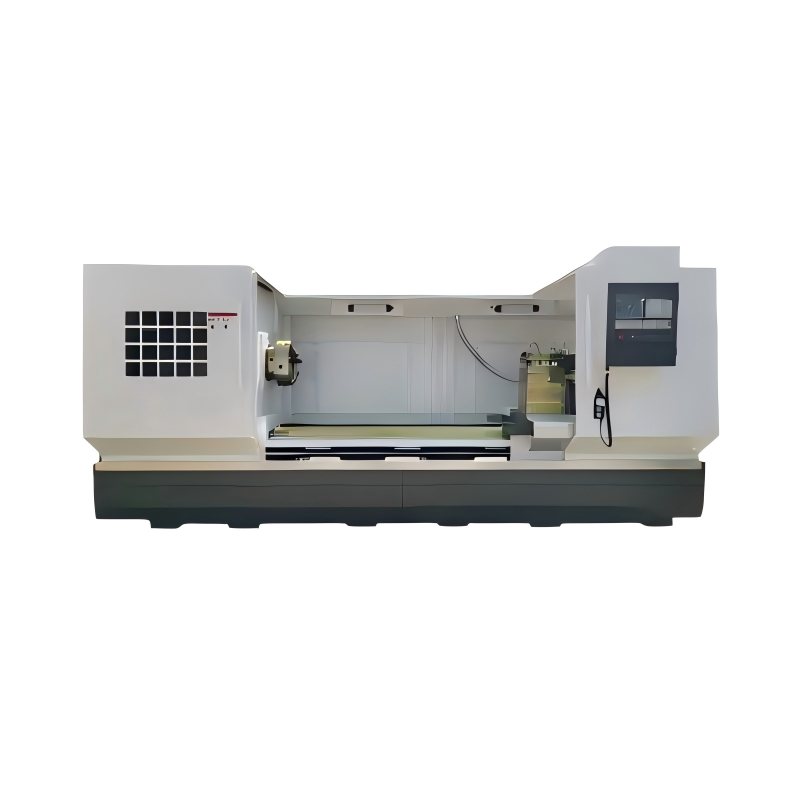
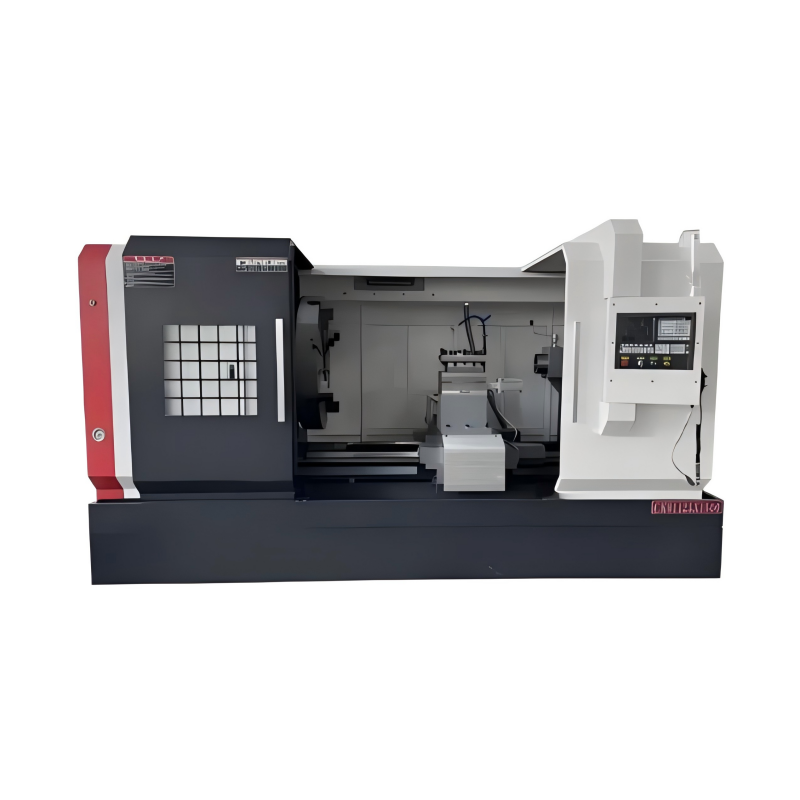
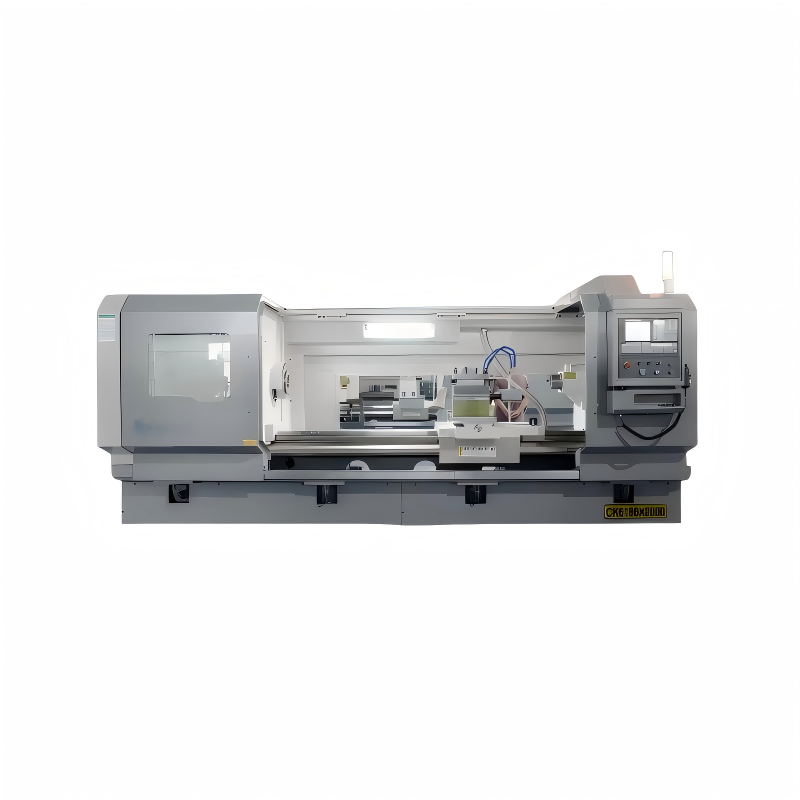
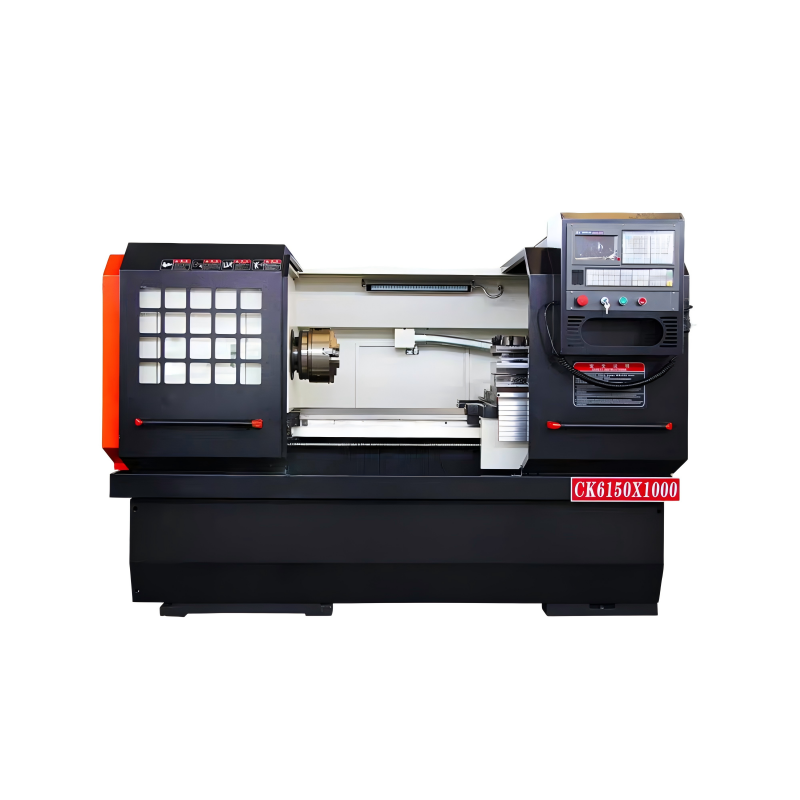
A Flat Bed CNC Lathe is a type of computer numerical control (CNC) machine that uses a flat bed to support the workpiece during the machining process. Unlike Slant Bed Lathes, the flat bed design provides a stable platform for larger or heavier parts, making it an ideal choice for industries requiring high-precision machining on a broader scale. The versatility of the Flat Bed CNC Lathe lies in its ability to perform a wide range of operations, including turning, facing, drilling, and threading, all controlled by advanced software systems. This capability makes it indispensable in environments where customization and flexibility are key requirements.
Enhancing Efficiency and Precision in Manufacturing Processes
One of the most significant advantages offered by the Flat Bed CNC Lathe is its contribution to enhancing both the efficiency and precision of manufacturing processes. By automating the machining process, these machines can reduce human error, leading to higher quality finished products. Additionally, the use of CNC technology allows for faster production cycles, as the machine can quickly switch between different operations without the need for manual adjustments. This not only saves time but also reduces labor costs, making the Flat Bed CNC Lathe a cost-effective solution for many manufacturers. Furthermore, the integration of sophisticated software enables the creation of intricate designs and patterns, pushing the boundaries of what is possible in terms of product complexity and functionality.
Addressing Challenges and Limitations
While the Flat Bed CNC Lathe offers numerous benefits, it is not without its challenges. One of the primary concerns is the initial investment required for purchasing and setting up the machine. High-quality CNC lathes can be expensive, which might pose a barrier to entry for smaller businesses or startups. However, the long-term savings in terms of reduced labor costs and increased productivity often justify this upfront expense. Another challenge is the need for skilled operators who are proficient in using the advanced software and hardware. Training staff to operate these machines effectively requires time and resources, although the increasing availability of online tutorials and training programs has made this process more accessible. Finally, maintenance and repair of CNC lathes can be costly if not managed properly. Regular servicing and timely replacement of worn-out parts are essential to ensure optimal performance and longevity of the machine.
Future Trends and Innovations
The field of CNC machining continues to evolve, with new trends and innovations emerging that promise to further enhance the capabilities of the Flat Bed CNC Lathe. One such trend is the integration of artificial intelligence (AI) and machine learning (ML) technologies. These advancements enable predictive maintenance, where the system can forecast when maintenance is needed based on real-time data analysis, thus minimizing downtime and maximizing productivity. Another area of innovation is the development of more sustainable and eco-friendly materials and processes. As environmental concerns become increasingly important, manufacturers are looking for ways to reduce their carbon footprint. The use of energy-efficient motors, recycled materials, and waste reduction techniques in CNC lathing operations can contribute significantly to this goal. Lastly, the rise of Industry 4.0 and the Internet of Things (IoT) is transforming the way manufacturing plants operate. By connecting CNC lathes to a network, manufacturers can achieve greater transparency, control, and optimization across the entire production line, leading to even more efficient and responsive manufacturing processes.
In conclusion, the Flat Bed CNC Lathe plays a pivotal role in modern manufacturing, offering unparalleled versatility, precision, and efficiency. While there are challenges associated with its adoption, the benefits far outweigh the drawbacks. As technology continues to advance, we can expect to see even more innovative applications of the Flat Bed CNC Lathe, driving the manufacturing industry towards a more productive, sustainable, and technologically advanced future.
 16/06/2026



