In the rapidly evolving landscape of industrial manufacturing, the integration of advanced technologies has become a cornerstone for enhancing efficiency, precision, and productivity. One such technology that stands out is Computer Numerical Control (CNC), particularly in the form of Flat Bed CNC Lathes. This report delves into the advantages of CNC technology, with a specific focus on how Flat Bed CNC Lathes contribute to the modern industrial environment.
Enhanced Precision and Accuracy
The primary advantage of CNC technology, including Flat Bed CNC Lathes, lies in its ability to deliver unparalleled precision and accuracy. Traditional manual lathes rely heavily on the skill and experience of the operator, which can introduce human error and variability. In contrast, CNC lathes are programmed using computer-aided design (CAD) and computer-aided manufacturing (CAM) software, ensuring that every operation is executed with exacting standards. This level of precision is critical in industries where tolerances are tight, such as aerospace, automotive, and medical device manufacturing.
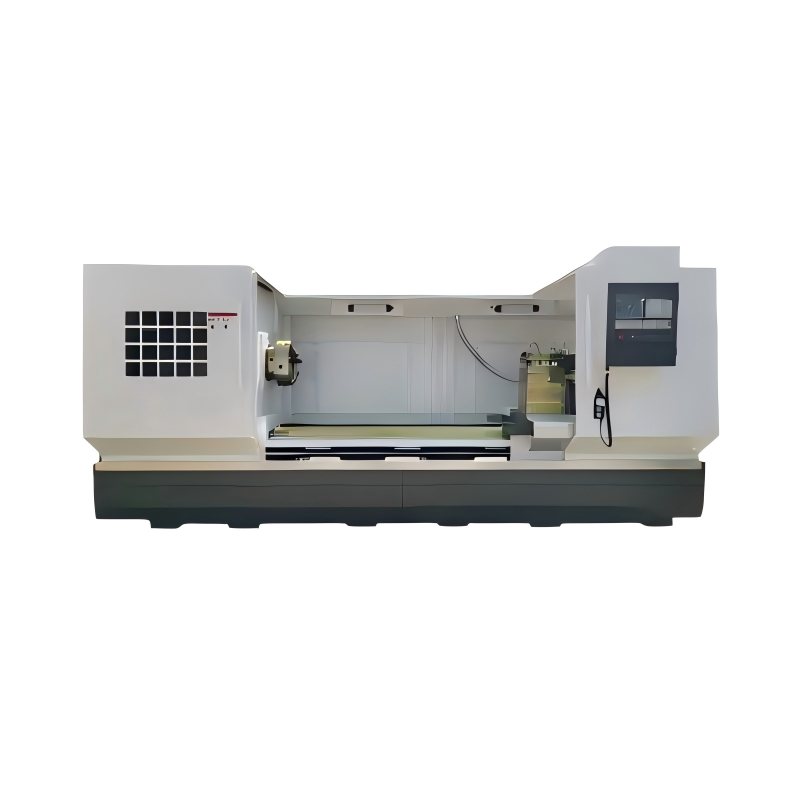
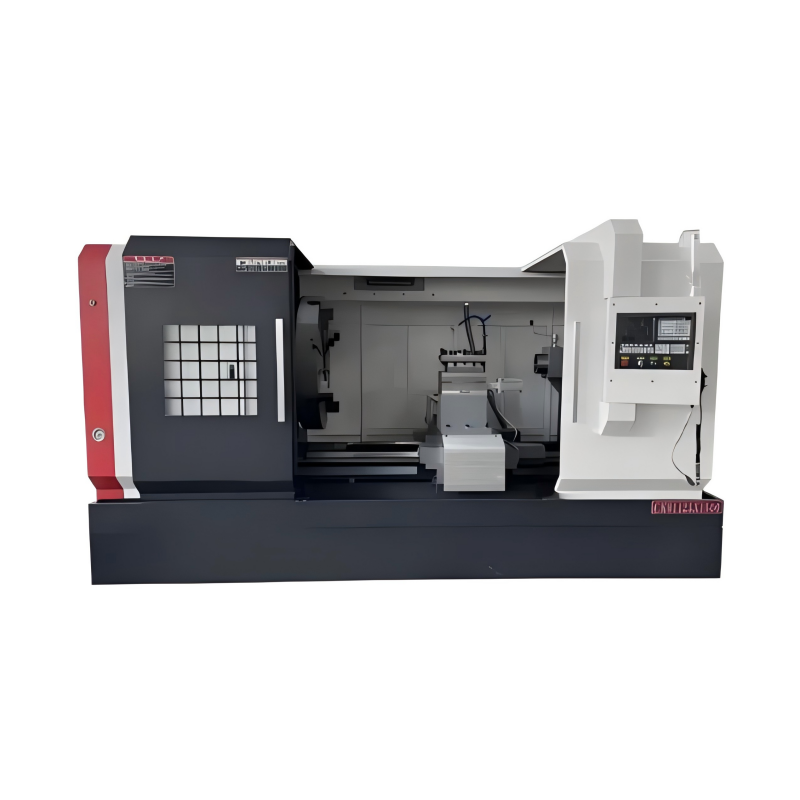
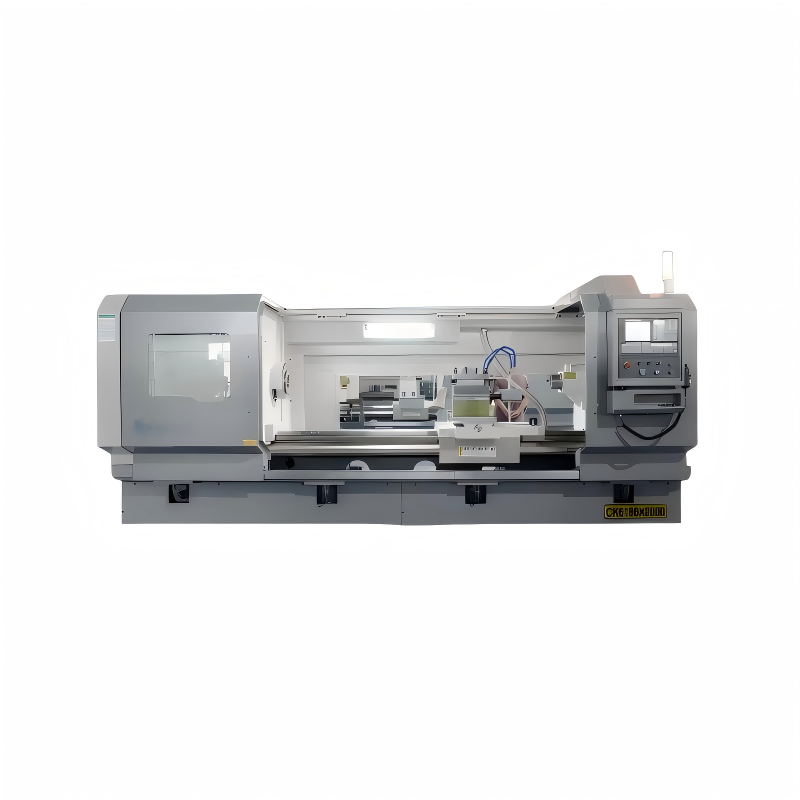
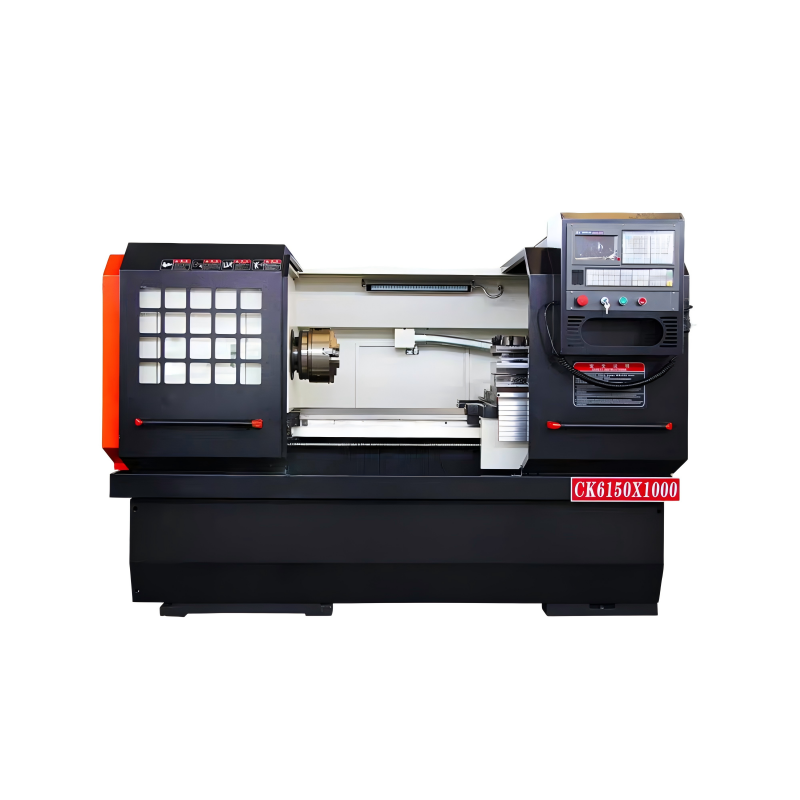
Flat Bed CNC Lathes, in particular, offer a stable platform for machining operations, reducing the risk of vibrations and ensuring consistent results. The use of high-precision linear guides and ball screws further enhances the machine's ability to maintain accuracy over long production runs. This not only improves the quality of the final product but also reduces the need for rework and scrap, leading to significant cost savings.
Increased Productivity and Efficiency
Another key benefit of CNC technology is its ability to significantly boost productivity and efficiency. Flat Bed CNC Lathes are designed to handle a wide range of materials and complex geometries, making them versatile tools for various manufacturing processes. The automation provided by CNC systems allows for continuous operation with minimal human intervention, enabling manufacturers to achieve higher throughput rates.
Moreover, CNC lathes can be programmed to perform multiple operations in a single setup, reducing the need for frequent tool changes and part repositioning. This not only saves time but also minimizes the risk of errors associated with manual handling. The ability to run unattended, especially during off-peak hours, further enhances the overall efficiency of the manufacturing process. This is particularly valuable in high-volume production environments where maximizing uptime is crucial.
Cost-Effectiveness and Scalability
While the initial investment in CNC technology, such as a Flat Bed CNC Lathe, may be higher compared to traditional lathes, the long-term cost-effectiveness is substantial. The increased precision and reduced scrap rates translate into lower material costs and fewer rejections. Additionally, the automation and efficiency gains result in lower labor costs, as fewer operators are required to manage the same or even higher levels of production.
Furthermore, CNC lathes offer scalability, allowing manufacturers to easily adjust their production capacity to meet changing market demands. The ability to quickly reprogram the machine for different parts or batches means that production can be more flexible and responsive. This adaptability is particularly important in industries with fluctuating demand, such as consumer electronics and automotive components.
Improved Safety and Operator Comfort
Safety is a paramount concern in any manufacturing environment, and CNC technology, including Flat Bed CNC Lathes, offers several safety benefits. The automated nature of CNC lathes reduces the need for operators to interact directly with the cutting tools and workpieces, minimizing the risk of accidents and injuries. Additionally, modern CNC machines are equipped with advanced safety features such as emergency stop buttons, safety interlocks, and enclosures, providing an additional layer of protection for operators.
Beyond safety, CNC lathes also improve operator comfort. The reduction in manual labor and the ability to monitor and control the machine from a distance mean that operators can work in a more ergonomic and comfortable environment. This not only enhances job satisfaction but also reduces the risk of work-related injuries, contributing to a healthier and more productive workforce.
Conclusion
The adoption of CNC technology, particularly Flat Bed CNC Lathes, offers numerous advantages for industrial applications. From enhanced precision and accuracy to increased productivity and efficiency, the benefits are clear. Moreover, the cost-effectiveness, scalability, and improved safety and operator comfort make CNC lathes an indispensable tool for modern manufacturing. As the industry continues to evolve, the role of CNC technology will only become more prominent, driving innovation and growth in the years to come.
 16/06/2026



