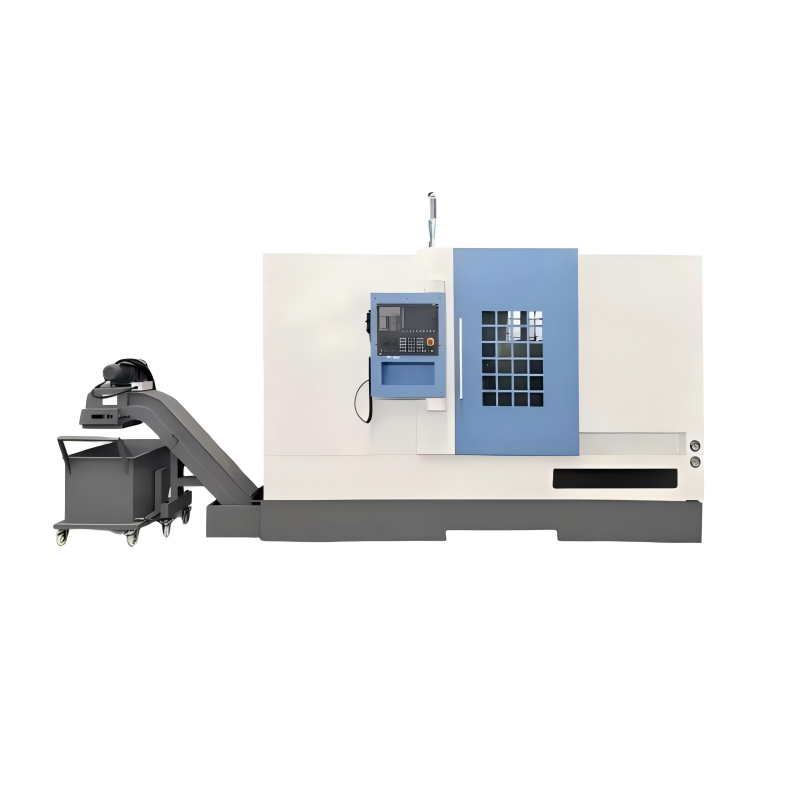
In the realm of modern manufacturing, the Industrial Lathe Machine stands as a cornerstone, enabling precise and efficient production processes. This versatile tool has evolved significantly over the years, adapting to the changing demands of the industry. In this report, we will explore the multifaceted applications and advancements of industrial lathe machines, highlighting their critical role in today’s manufacturing landscape.
The Evolution of Industrial Lathe Machines
The journey of the industrial lathe machine is a testament to human ingenuity and technological progress. From its humble beginnings as a simple hand-operated tool to the sophisticated, computer-controlled machines of today, the lathe has undergone a remarkable transformation. Early lathes were primarily used for woodworking, but with the advent of the Industrial Revolution, they found new applications in metalworking. The introduction of power sources, such as steam and later electricity, revolutionized the capabilities of these machines, allowing for greater precision and higher production rates.
Modern industrial lathe machines are equipped with advanced features like CNC (Computer Numerical Control) systems, which enable them to perform complex operations with minimal human intervention. These systems allow for the precise control of cutting tools, ensuring consistent and accurate results. Additionally, the integration of CAD/CAM (Computer-Aided Design/Computer-Aided Manufacturing) software has further enhanced the versatility of these machines, enabling the creation of intricate and customized parts.
Key Applications in Modern Manufacturing
Industrial lathe machines play a crucial role in various sectors of modern manufacturing, including automotive, aerospace, and general engineering. In the automotive industry, lathes are used to produce engine components, such as crankshafts and camshafts, with high precision. The ability to achieve tight tolerances and smooth finishes is essential for ensuring the reliability and performance of these critical parts.
In the aerospace sector, the demand for lightweight and durable materials has driven the need for specialized machining processes. Industrial lathe machines are used to manufacture components from advanced alloys and composites, which require high-precision cutting and finishing. The ability to handle a wide range of materials, from aluminum and titanium to exotic alloys, makes these machines indispensable in the aerospace industry.
General engineering applications also benefit from the versatility of industrial lathe machines. These machines are used to produce a variety of parts, from simple shafts and bushings to complex components for machinery and equipment. The adaptability of lathes to different materials and part geometries makes them a valuable asset in any manufacturing facility.
Advancements in Technology and Automation
The ongoing advancements in technology have significantly enhanced the capabilities of industrial lathe machines. One of the most notable developments is the integration of automation and robotics. Automated loading and unloading systems, coupled with robotic arms, have streamlined the production process, reducing cycle times and increasing efficiency. This level of automation not only improves productivity but also minimizes the risk of human error and enhances workplace safety.
Another significant advancement is the use of real-time monitoring and data analytics. Modern lathes are equipped with sensors and diagnostic tools that provide continuous feedback on the machine's performance. This data can be used to optimize cutting parameters, predict maintenance needs, and identify potential issues before they become critical. The ability to collect and analyze data in real time allows manufacturers to make informed decisions, improving overall operational efficiency.
Furthermore, the development of multi-axis lathes has expanded the range of operations that can be performed in a single setup. These machines can perform turning, milling, drilling, and other operations simultaneously, reducing the need for multiple setups and improving part accuracy. The combination of advanced control systems and multi-axis capabilities has made industrial lathe machines more versatile than ever, capable of handling even the most complex manufacturing tasks.
Sustainability and Energy Efficiency
As the manufacturing industry increasingly focuses on sustainability and energy efficiency, industrial lathe machines are being designed with these principles in mind. One key aspect is the optimization of energy consumption. Modern lathes are equipped with energy-efficient motors and drives, which reduce power usage while maintaining high performance. Additionally, the use of regenerative braking systems and energy recovery technologies helps to minimize waste and lower operating costs.
Another important consideration is the reduction of material waste. Advanced CAM software and optimized cutting strategies help to minimize the amount of scrap material generated during the machining process. This not only reduces the environmental impact but also lowers the cost of raw materials. Furthermore, the use of recycled and sustainable materials in the manufacturing of lathe components contributes to a more environmentally friendly production process.
Finally, the implementation of predictive maintenance and condition-based monitoring systems helps to extend the lifespan of industrial lathe machines. By identifying and addressing potential issues early, manufacturers can avoid costly breakdowns and reduce the need for frequent replacements. This not only saves resources but also ensures the long-term sustainability of the manufacturing process.
Conclusion
The Industrial Lathe Machine remains a vital tool in modern manufacturing, offering unparalleled versatility and precision. Its evolution from a simple hand-operated device to a highly advanced, automated system reflects the continuous drive for innovation and efficiency in the industry. As technology continues to advance, the capabilities of these machines will only grow, further enhancing their role in shaping the future of manufacturing.
From the automotive and aerospace sectors to general engineering, the applications of industrial lathe machines are diverse and far-reaching. The integration of automation, real-time monitoring, and sustainable practices ensures that these machines not only meet the demands of today but are also well-positioned to address the challenges of tomorrow. As the manufacturing landscape continues to evolve, the industrial lathe machine will undoubtedly remain a cornerstone of production, driving progress and innovation for years to come.

 23/06/2026



