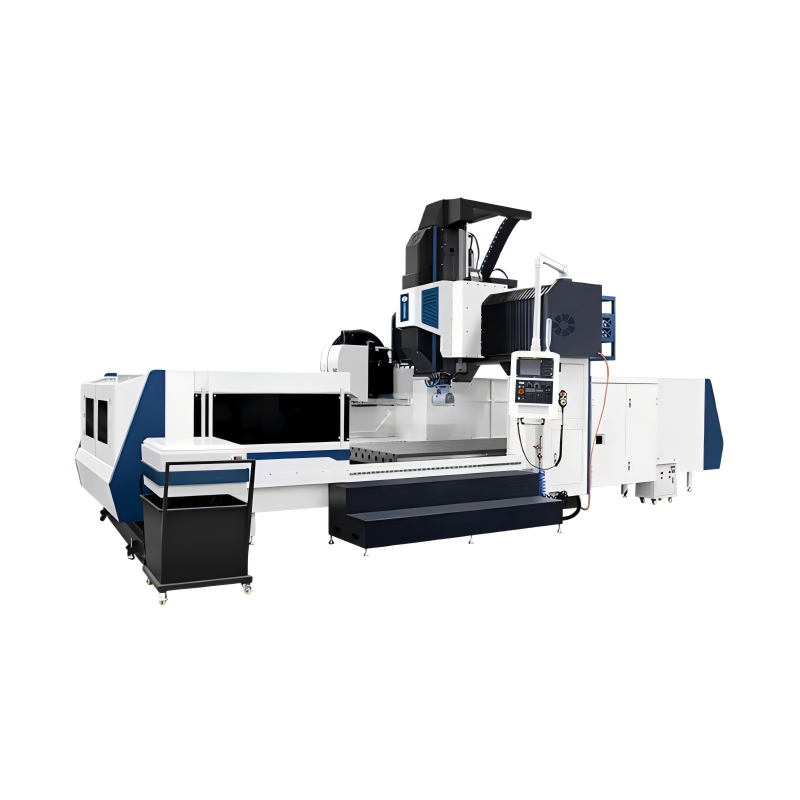
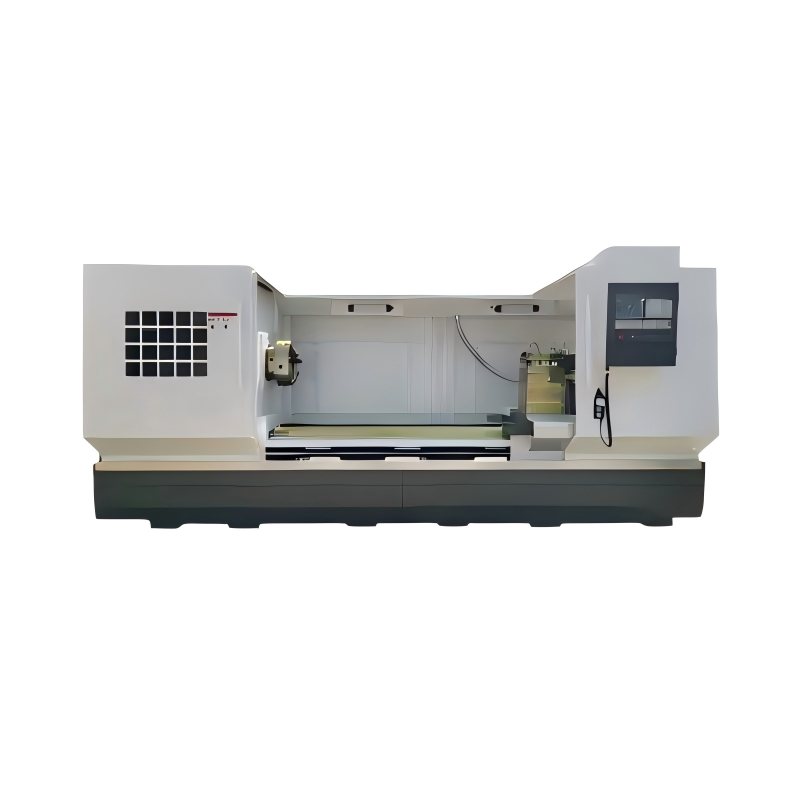
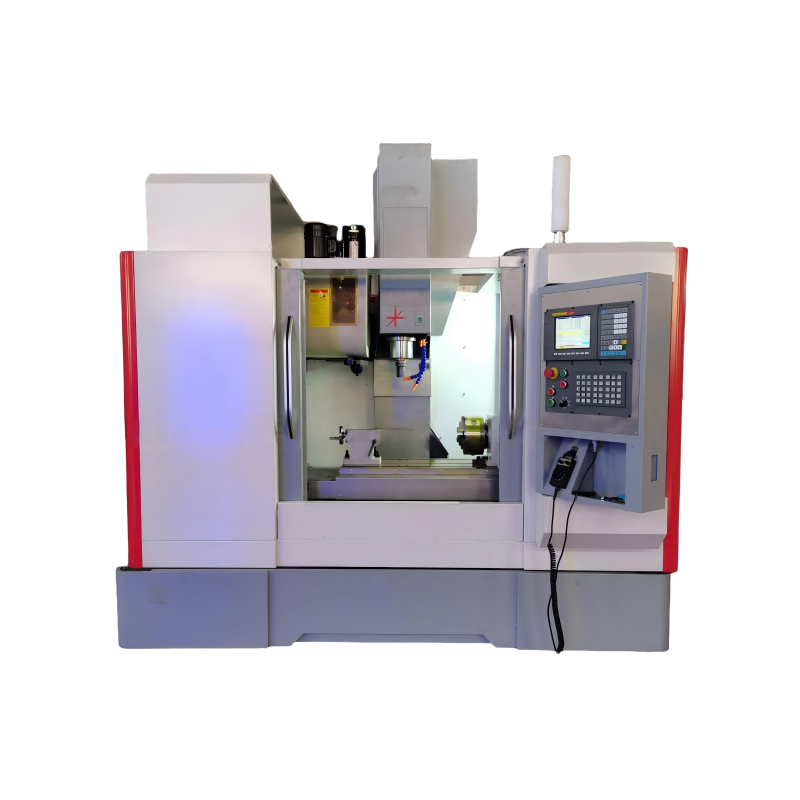
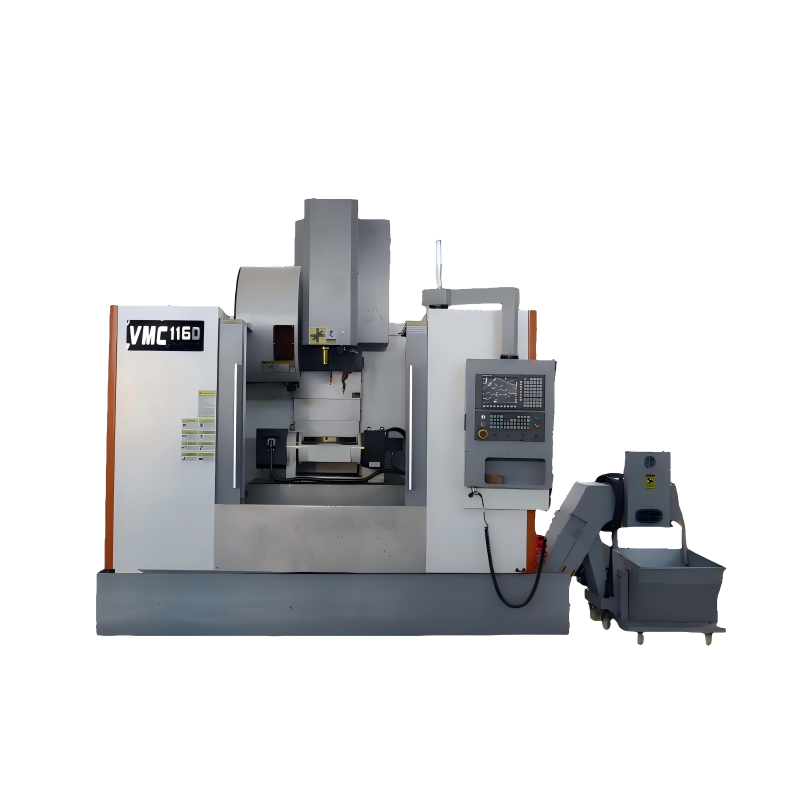
Industrial lathe machines are essential tools in the manufacturing and engineering sectors, playing a crucial role in shaping and machining various materials. These machines are designed to rotate a workpiece on its axis to perform operations such as cutting, sanding, knurling, drilling, deformation, facing, and turning. Understanding the key features of an industrial lathe machine is vital for anyone involved in precision machining, from engineers to technicians. This report delves into the core aspects that define the functionality and efficiency of these machines, providing insights into their design, operation, and maintenance.
The design and construction of an industrial lathe machine are critical factors that determine its performance and longevity. Typically, these machines are built with a robust frame, often made from cast iron or steel, which provides stability and reduces vibration during operation. The bed of the lathe, which supports the entire structure, is usually a one-piece casting, ensuring rigidity and accuracy. The headstock, located at one end of the bed, houses the main spindle, which holds and rotates the workpiece. The tailstock, situated at the opposite end, can be adjusted along the bed to support the workpiece or hold tools for specific operations. The carriage, which moves along the bed, carries the tool holder and allows for precise control over the cutting process. Understanding the design and construction of an industrial lathe machine is essential for selecting the right model and ensuring optimal performance.
An industrial lathe machine consists of several key components, each serving a specific function. The main spindle is the heart of the machine, responsible for rotating the workpiece. It is driven by an electric motor, which can be either directly connected or belt-driven. The spindle must be precisely aligned and balanced to ensure smooth and accurate rotation. The carriage is another critical component, moving along the ways (guideways) of the bed. It includes the cross slide, compound rest, and tool post, allowing for multi-axis movement and precise positioning of the cutting tool. The feed mechanism controls the speed and direction of the carriage and cross slide, enabling the operator to make controlled cuts. The tailstock is used to support long workpieces or to hold tools for operations such as drilling or reaming. Each of these components works in harmony to achieve the desired machining results, and understanding their functions is key to effective operation and maintenance.
Modern industrial lathe machines are equipped with advanced control systems and automation features that enhance productivity and precision. Traditional lathes use manual controls, where the operator manually adjusts the feed and speed settings. However, CNC (Computer Numerical Control) lathes have become increasingly popular due to their ability to automate complex processes. CNC Lathes use a computer program to control the machine's movements, allowing for highly accurate and repeatable machining. The control system typically includes a user interface, a programmable logic controller (PLC), and servo motors. These systems enable operators to input detailed instructions, including tool paths, speeds, and feeds, which the machine then executes with high precision. Additionally, many CNC lathes feature automatic tool changers, reducing setup time and increasing efficiency. Understanding the control systems and automation capabilities of an industrial lathe machine is crucial for leveraging its full potential and achieving high-quality results.
Proper maintenance and safety practices are essential for the reliable and safe operation of an industrial lathe machine. Regular maintenance includes lubricating moving parts, checking for wear and tear, and ensuring that all components are properly aligned and tightened. The bed and ways should be kept clean and free from debris to prevent damage and ensure smooth operation. Additionally, the cutting tools must be regularly inspected and replaced as needed to maintain cutting quality and prevent breakage. Safety is a paramount concern when operating an industrial lathe machine. Operators should always wear appropriate personal protective equipment (PPE), such as safety glasses, gloves, and hearing protection. The machine should be equipped with safety guards and emergency stop buttons. Proper training and adherence to safety protocols are crucial to prevent accidents and ensure a safe working environment. By prioritizing maintenance and safety, operators can extend the lifespan of the machine and ensure consistent, high-quality output.
Industrial lathe machines are versatile tools with a wide range of applications across various industries. They are commonly used in the automotive, aerospace, and manufacturing sectors to produce parts with high precision and accuracy. Some common applications include turning cylindrical parts, threading, and creating complex profiles. Lathes can also be used for internal and external grooving, facing, and parting off. The versatility of an industrial lathe machine is further enhanced by the availability of different types of lathes, such as engine lathes, turret lathes, and CNC lathes. Engine lathes are the most basic type, suitable for general-purpose machining. Turret lathes offer additional tooling options and are ideal for repetitive tasks. CNC lathes, as mentioned earlier, provide the highest level of automation and precision, making them suitable for complex and high-volume production. Understanding the applications and versatility of an industrial lathe machine is essential for maximizing its utility and meeting diverse manufacturing needs.
In conclusion, an industrial lathe machine is a powerful and versatile tool that plays a critical role in modern manufacturing. By understanding its design, key components, control systems, maintenance requirements, and applications, operators can harness its full potential and achieve high-quality, precise machining results. Whether for simple turning operations or complex, automated processes, the industrial lathe machine remains an indispensable asset in the world of precision engineering.
 23/06/2026
The industrial lathe machine has long been a cornerstone of manufacturing, providing the precision and versatility needed to shape materials into intricate parts. As technology advances, these machines continue to evolve, incorporating new features that e
Read More23/06/2026Industrial Lathe Machines play a crucial role in the manufacturing industry, particularly when it comes to creating cylindrical parts with high precision. The importance of precision cannot be overstated, as even the slightest deviation can result in subs
Read More23/06/2026In the realm of modern manufacturing, the Industrial Lathe Machine stands as a cornerstone, enabling precise and efficient production processes. This versatile tool has evolved significantly over the years, adapting to the changing demands of the industry
Read MoreOur professional sales team is always ready to assist you.