The vertical Machining Center, a versatile tool in the world of manufacturing, has revolutionized how complex parts are produced. From aerospace components to medical devices, these machines offer unparalleled precision and efficiency. This report delves into the capabilities of Vertical Machining Centers, focusing particularly on their role as heavy-duty CNC work centers, capable of handling a wide array of tasks with exceptional accuracy.
Advantages of Vertical Machining Centers in Precision Manufacturing
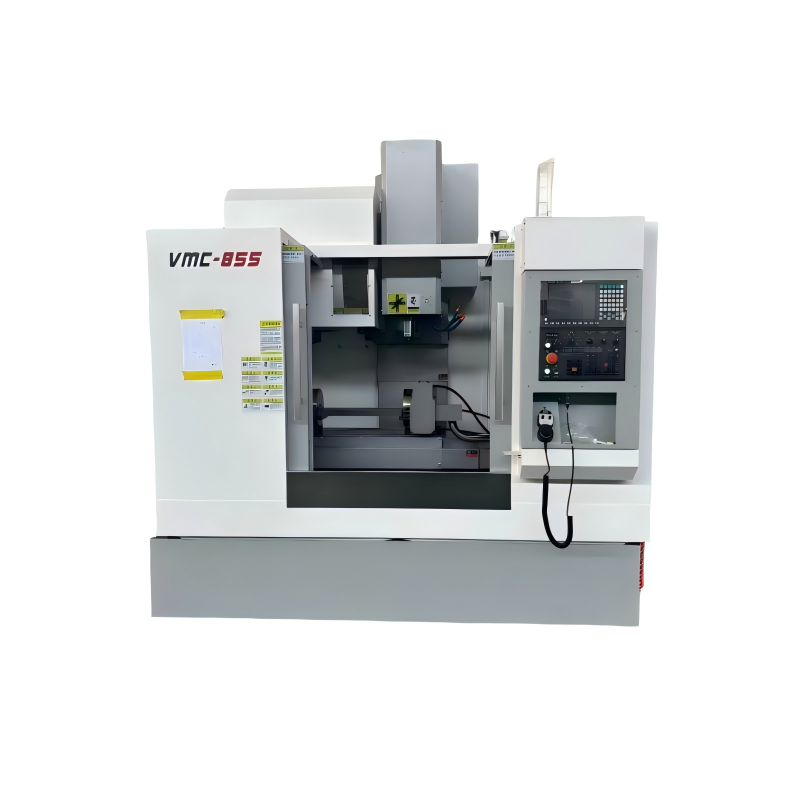
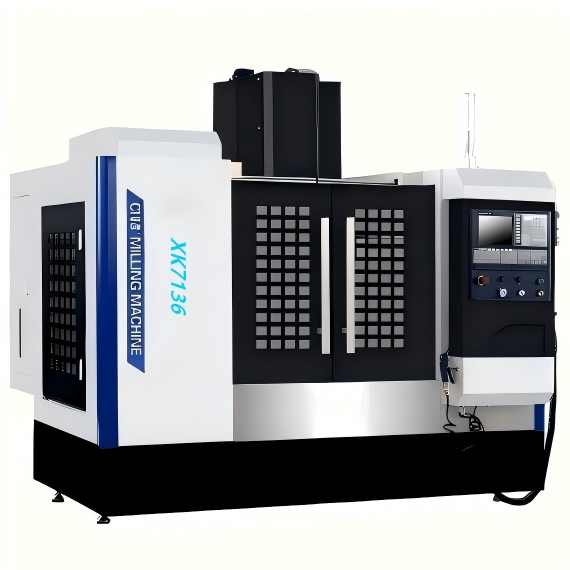
Vertical machining centers (VMCs) stand out due to their ability to perform intricate operations while maintaining high levels of accuracy. The design of VMCs, which allows for tools to approach the workpiece from above, provides several advantages over horizontal configurations. For instance, chips fall away easily, reducing the risk of re-cutting and improving surface finish. Additionally, the machine's structure is inherently more rigid, leading to better stability during cutting processes, which is crucial for achieving tight tolerances required in many industries.
Moreover, modern VMCs are equipped with advanced features such as automatic tool changers, coolant systems, and integrated software solutions that enhance productivity. These features make VMCs ideal for production environments where speed and consistency are paramount. A well-configured vertical machining center can significantly reduce cycle times and increase throughput, making it an indispensable asset for manufacturers looking to stay competitive in today’s fast-paced market.
heavy-duty CNC work center: Capabilities and Applications
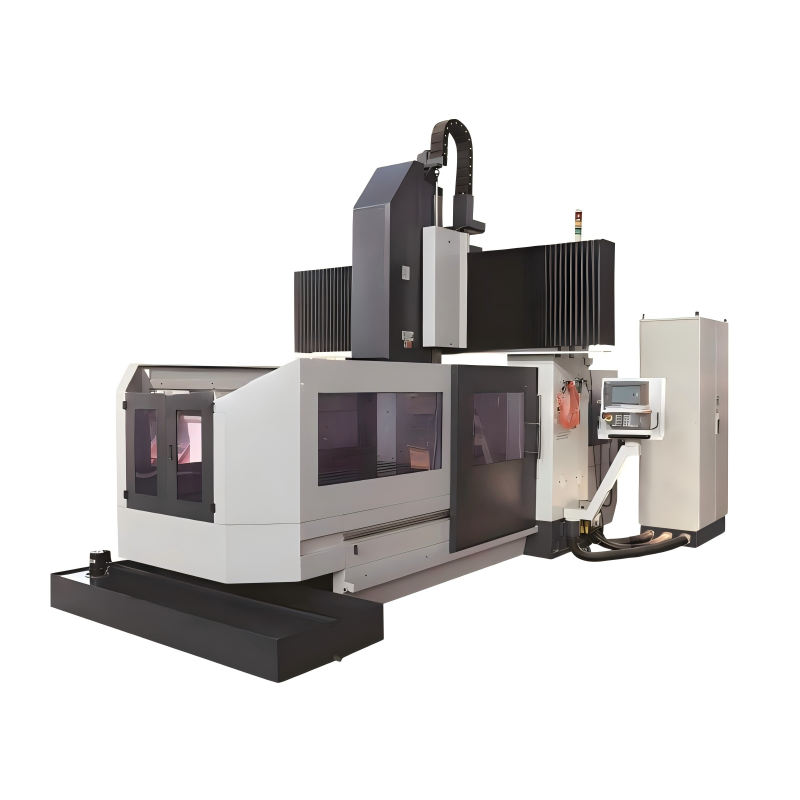
When discussing heavy-duty CNC work centers, it's essential to highlight the robustness and power they bring to the table. These machines are designed to handle large, heavy, and complex workpieces, often found in industries like automotive, energy, and construction. The term "heavy-duty" refers not only to the physical size and weight capacity but also to the machine's ability to maintain high performance under demanding conditions.
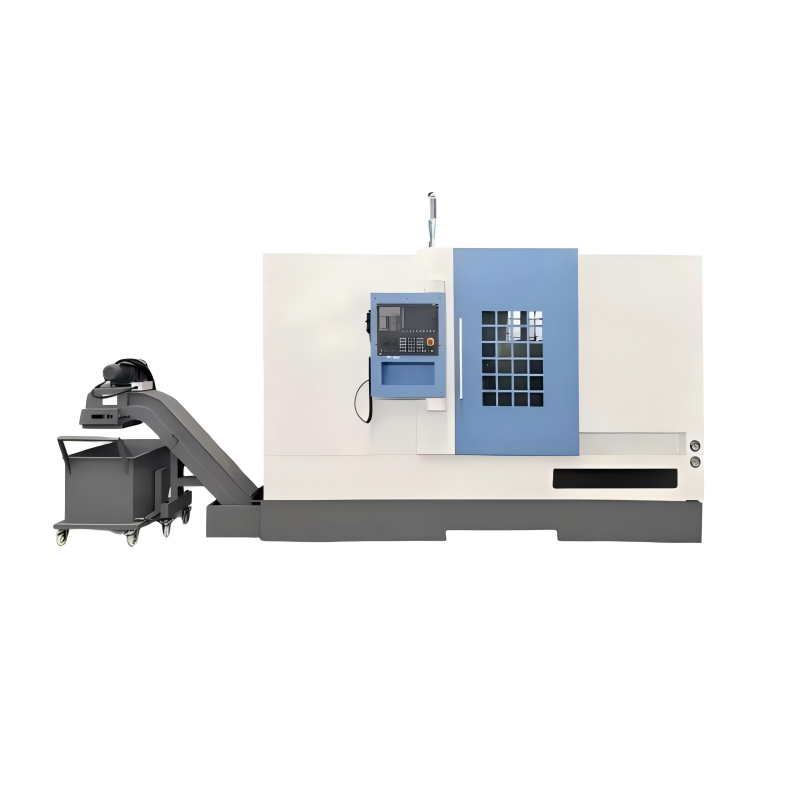
A key feature of heavy-duty CNC work centers is their spindle power, which can range from 15 to 30 horsepower or more. This power, combined with a sturdy frame and high-precision linear guides, enables the machine to cut through tough materials with ease. Furthermore, these work centers often come with multiple axes, allowing for simultaneous multi-axis machining, which is critical for producing parts with complex geometries. In the context of Vertical Machining Center Lathe Machines, this capability is particularly valuable, as it allows for both turning and milling operations to be performed on a single setup, thereby increasing efficiency and reducing lead times.
Applications of heavy-duty CNC work centers extend beyond traditional machining. They are increasingly being used in additive manufacturing processes, where layers of material are deposited to build up a part. This hybrid approach, combining subtractive and additive techniques, opens new possibilities for creating innovative designs and optimizing part performance. For example, in the aerospace industry, heavy-duty CNC work centers can produce lightweight yet strong components, contributing to fuel efficiency and overall performance of aircraft.
Integration of Advanced Technologies in Vertical Machining Centers
To remain at the forefront of manufacturing technology, vertical machining centers have continuously evolved by integrating advanced technologies. One such technology is the use of artificial intelligence (AI) and machine learning algorithms to optimize machining parameters. By analyzing data from previous runs, these systems can predict optimal settings for future jobs, resulting in improved quality and reduced scrap rates. Additionally, real-time monitoring and predictive maintenance features help prevent downtime and ensure consistent performance.
Another significant advancement is the integration of Industry 4.0 principles, which emphasize connectivity and data exchange. Modern vertical machining centers can now communicate with other machines and systems within a factory, enabling seamless coordination and enhanced overall efficiency. This interconnectedness allows for the creation of smart factories, where production processes are highly automated and optimized for maximum output. Furthermore, cloud-based solutions provide remote access to machine data, allowing operators and managers to monitor and control operations from anywhere, enhancing flexibility and responsiveness.
In conclusion, vertical machining centers, especially when configured as heavy-duty CNC work centers, offer a powerful combination of precision, versatility, and advanced technological integration. Their ability to handle a wide range of materials and complex geometries, coupled with the incorporation of AI and Industry 4.0 principles, makes them indispensable tools in modern manufacturing. As the industry continues to evolve, the vertical machining center will undoubtedly play a central role in driving innovation and efficiency.
 24/06/2026



