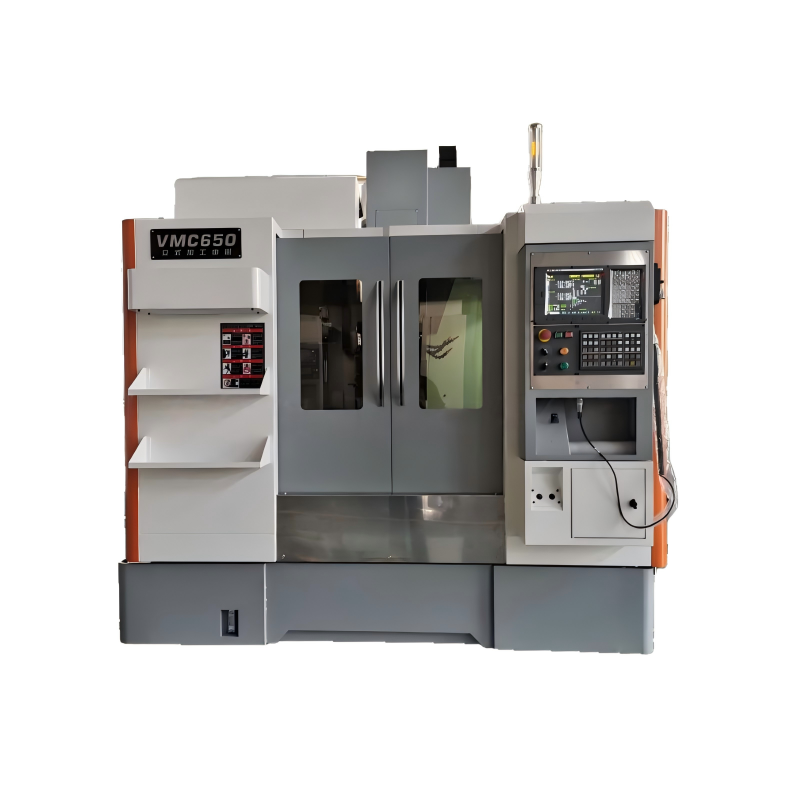
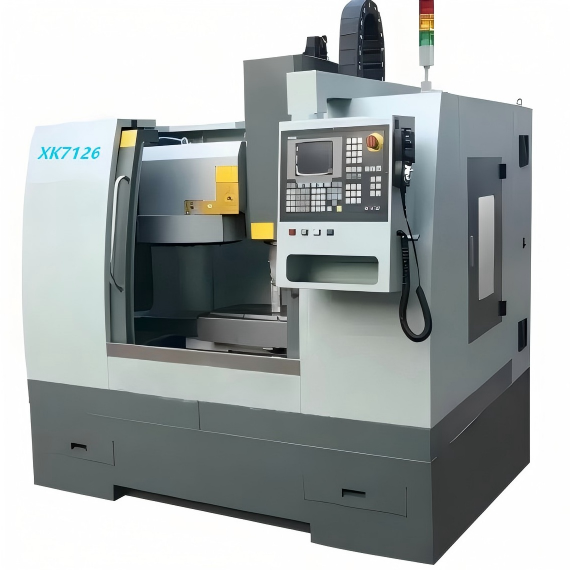
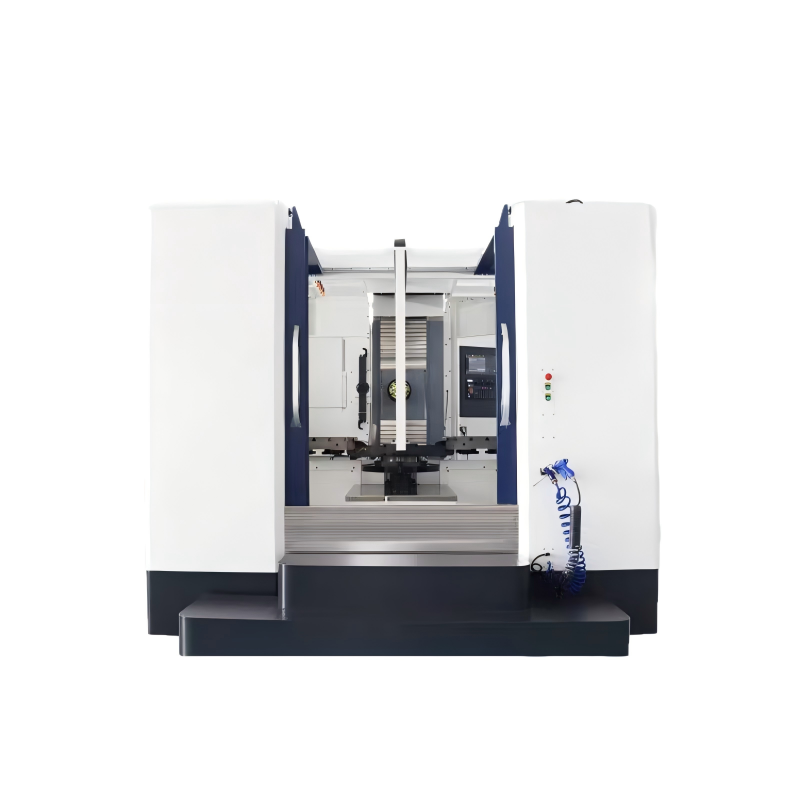
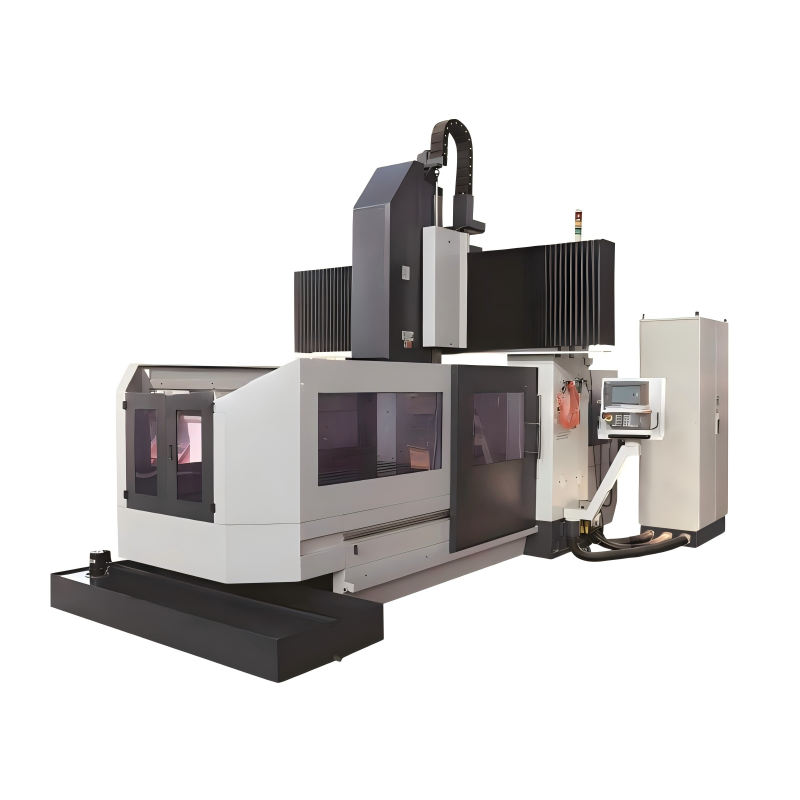
In the rapidly evolving landscape of manufacturing, floor type horizontal Machining Centers (FHMCs) have established themselves as indispensable tools for precision and efficiency. The year 2023 brings a wave of innovations that are set to redefine the capabilities and performance of these machines. This report delves into the latest advancements in FHMCs, highlighting key areas where innovation is making a significant impact.
The quest for higher precision in machining operations has led to the development of advanced control systems in floor type Horizontal Machining Centers. These systems leverage state-of-the-art software and hardware to achieve unparalleled accuracy. One of the most notable innovations is the integration of artificial intelligence (AI) and machine learning (ML) algorithms. These technologies enable real-time monitoring and adjustment of cutting parameters, ensuring optimal tool paths and minimal deviations. Additionally, high-resolution encoders and sensors provide precise feedback, allowing for micrometer-level positioning accuracy. This level of precision is particularly crucial in industries such as aerospace and medical device manufacturing, where even the slightest error can be costly.
Another significant advancement is the use of adaptive control systems. These systems can automatically adjust the feed rate and spindle speed based on the material being machined and the condition of the cutting tool. This not only improves the quality of the finished product but also extends the life of the cutting tools, reducing maintenance costs and downtime.
One of the major trends in the evolution of Floor type horizontal machining centers is the move towards multi-tasking capabilities. Modern FHMCs are designed to perform a wide range of operations, from milling and drilling to turning and grinding, all within a single setup. This integrated approach significantly reduces the need for multiple machines and setups, leading to substantial time savings and increased productivity.
Key to this capability is the modular design of the machining centers. Modular components allow for easy reconfiguration of the machine to suit different tasks, while maintaining high levels of precision and stability. For example, some FHMCs now feature interchangeable tooling systems, which can switch between different cutting tools quickly and efficiently. This flexibility is especially valuable in high-mix, low-volume production environments, where adaptability is key.
Furthermore, the integration of automation technologies, such as robotic arms and automatic pallet changers, further enhances the productivity of FHMCs. These automated systems can handle part loading and unloading, tool changes, and even in-process inspections, minimizing human intervention and maximizing uptime.
Sustainability is a growing concern in the manufacturing industry, and floor type horizontal machining centers are no exception. Innovations in 2023 are focused on making these machines more energy-efficient and environmentally friendly. One of the primary ways this is achieved is through the use of energy-efficient drives and motors. These components are designed to consume less power while maintaining or even improving performance. For instance, variable frequency drives (VFDs) can adjust the motor speed based on the load, reducing energy consumption during idle periods or when operating at lower speeds.
Another important aspect of sustainability is the reduction of waste. Many new FHMCs incorporate features that minimize material waste, such as optimized tool paths and advanced nesting algorithms. These technologies ensure that the maximum amount of material is utilized, reducing scrap and lowering overall material costs. Additionally, some machines are equipped with recycling systems that collect and reuse coolant and lubricants, further reducing environmental impact.
Finally, the use of eco-friendly materials in the construction of the machines themselves is also gaining traction. Manufacturers are increasingly using recycled and recyclable materials, as well as those with a lower carbon footprint, to build their FHMCs. This not only contributes to a more sustainable manufacturing process but also aligns with the broader goals of reducing the industry's environmental impact.
As floor type horizontal machining centers become more sophisticated, there is a growing emphasis on improving the user experience and ease of operation. Modern FHMCs are equipped with intuitive user interfaces and advanced software that make them easier to program and operate. Touchscreen displays, graphical programming, and virtual simulation tools are becoming standard features, allowing operators to visualize and test machining processes before they are executed. This not only reduces the risk of errors but also speeds up the setup and programming process.
Moreover, remote monitoring and diagnostic capabilities are becoming increasingly prevalent. These features allow operators and maintenance personnel to monitor the machine's performance and health in real-time, even from a distance. Remote diagnostics can identify potential issues before they lead to downtime, enabling proactive maintenance and reducing the need for on-site visits. This is particularly beneficial in large-scale manufacturing facilities where machines may be spread across a wide area.
Training and support are also key aspects of the user experience. Many manufacturers now offer comprehensive training programs, both online and in-person, to help operators get the most out of their machines. Additionally, robust customer support and service networks ensure that users have access to the resources they need to maintain and optimize their FHMCs.
The innovations in floor type horizontal machining centers for 2023 are poised to transform the manufacturing landscape. Enhanced precision, increased productivity, energy efficiency, and improved user experience are just a few of the areas where these machines are making significant strides. As the industry continues to evolve, it is clear that floor type horizontal machining centers will remain at the forefront of precision and efficiency, driving the future of manufacturing forward.
 17/06/2026
In the ever-evolving landscape of industrial manufacturing, the adoption of advanced technologies plays a crucial role in enhancing productivity, precision, and efficiency. One such technology that has gained significant traction is the floor type horizon
Read More17/06/2026Integrating a floor type horizontal machining center into your production line can significantly enhance operational efficiency, product quality, and overall manufacturing capabilities. These machines are designed to handle complex and large-scale parts w
Read More17/06/2026A floor type horizontal machining center is a critical piece of equipment in many manufacturing environments, capable of performing complex and precise machining operations. To ensure its optimal performance and longevity, it's essential to follow a rigor
Read More17/06/2026Choosing the right Floor type horizontal machining center is a critical decision for any manufacturing operation. This comprehensive guide aims to provide you with all the necessary information and considerations to make an informed choice, ensuring that
Read More17/06/2026Horizontal machining centers, especially those designed in a floor type configuration, have become indispensable tools within the heavy industries. These machines are not only capable of handling large workpieces but also offer unparalleled precision and
Read More17/06/2026Understanding the Floor Type Horizontal Machining CenterA Floor type horizontal machining center is a critical piece of equipment in modern manufacturing, designed to perform a wide range of operations with high precision and efficiency. These machines ar
Read More17/06/2026In the evolving landscape of manufacturing, the floor type horizontal machining center stands out as a pivotal piece of equipment. This advanced technology is not just an improvement over its predecessors; it represents a leap forward in precision, effici
Read More17/06/2026In the ever-evolving landscape of manufacturing, the introduction and continuous improvement of floor type horizontal machining centers have marked a significant turning point. These advanced machines are not just tools; they represent a paradigm shift in
Read More17/06/2026Floor type horizontal machining centers are a cornerstone of modern manufacturing, providing the precision and flexibility required for a wide range of applications. This report explores the efficiency of these machines, delving into their design, operati
Read More17/06/2026Enhancing Production Efficiency with a Floor Type Horizontal Machining CenterThe adoption of advanced manufacturing technologies is crucial for businesses aiming to stay competitive in today's fast-paced industrial landscape. A floor type horizontal machi
Read More17/06/2026When it comes to precision engineering and manufacturing, the choice of a Floor type horizontal machining center is critical. This type of machine tool plays an essential role in the production process, offering versatility, accuracy, and efficiency. Howe
Read More17/06/2026In the contemporary industrial landscape, the floor type horizontal machining center has emerged as a pivotal piece of equipment, significantly enhancing the efficiency and precision of manufacturing processes. This report delves into the multifaceted rol
Read More17/06/2026The floor type horizontal machining center represents a significant advancement in the realm of industrial manufacturing, offering unparalleled precision and efficiency. This report delves into how these machines can enhance productivity, focusing on key
Read More17/06/2026IntroductionIn the domain of high-precision manufacturing, the floor type horizontal machining center has emerged as a critical tool for achieving unparalleled accuracy and efficiency. This article delves into the intricacies of this advanced machinery, e
Read MoreOur professional sales team is always ready to assist you.