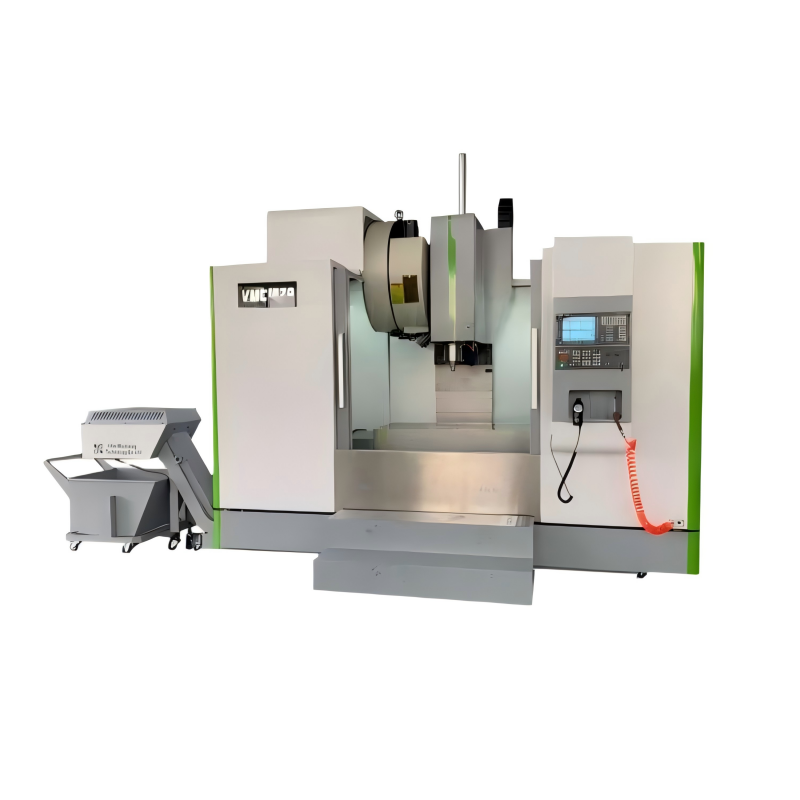
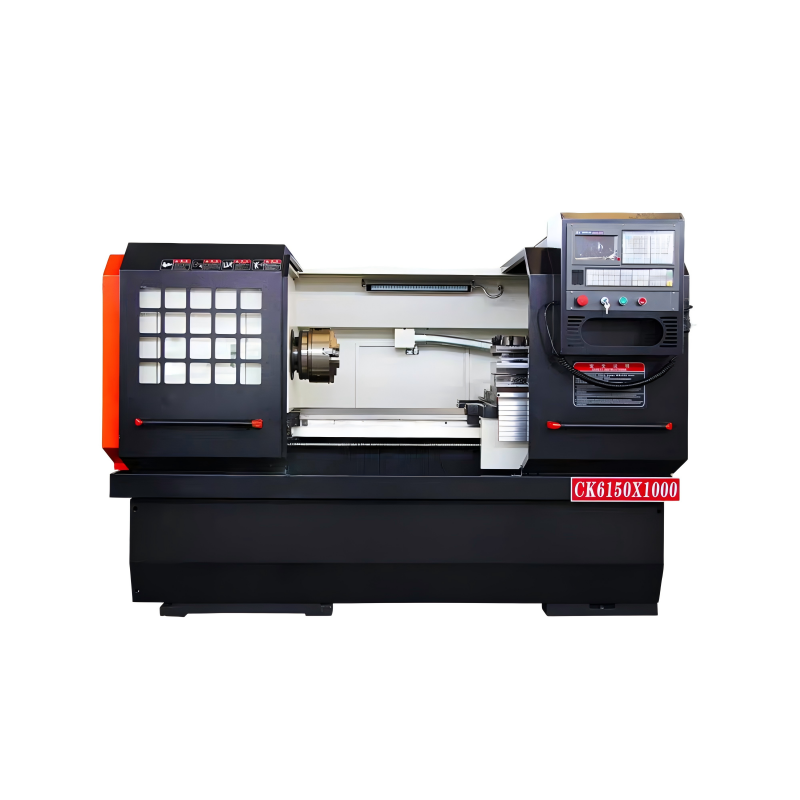
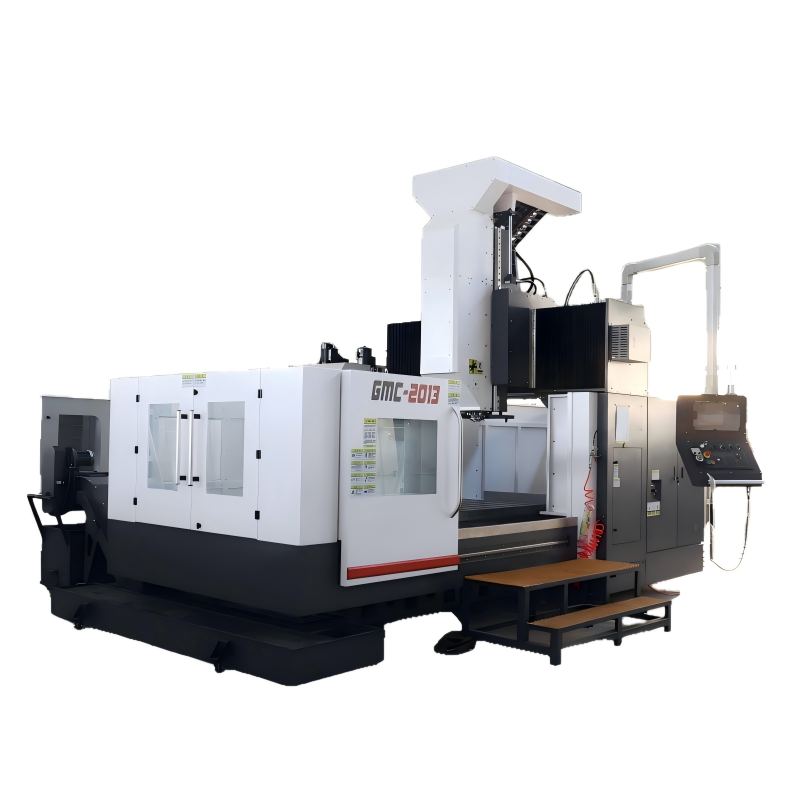
In the realm of industrial machinery, the demand for customized solutions that can cater to specific operational requirements has never been more pronounced. Among these, Gantry-Type Large designs stand out as a versatile and robust option, capable of supporting a wide array of applications from manufacturing and construction to aerospace and automotive industries. This technical report explores the key aspects of gantry-type large designs, their advantages, and how they are tailored to meet the unique needs of various industrial sectors.
Gantry-type large designs refer to a class of industrial equipment characterized by their substantial size and structural integrity. These machines typically consist of a bridge-like structure supported by two or more vertical columns, which allows them to span large work areas. The gantry-type design is particularly advantageous in scenarios where heavy loads need to be lifted, moved, or manipulated with precision. The robust framework ensures stability and accuracy, making these machines indispensable in high-precision manufacturing and assembly processes.
One of the primary benefits of gantry-type large designs is their ability to be customized. Manufacturers can tailor the dimensions, load capacity, and functionality to match the specific requirements of a project. This flexibility makes them suitable for a wide range of applications, from handling oversized components in shipbuilding to precision milling in the aerospace industry.
The versatility of gantry-type large designs is underpinned by several key features and capabilities. Firstly, these machines are equipped with advanced control systems that enable precise movement and positioning. High-resolution encoders and servo motors ensure that even the most intricate tasks can be performed with accuracy. Additionally, the modular design allows for easy integration of various tools and attachments, such as cutting heads, welding torches, and robotic arms, further enhancing their utility.
Another critical feature is the robust construction, which includes heavy-duty beams and reinforced supports. This design not only provides the necessary strength to handle heavy loads but also minimizes vibrations, ensuring smooth and stable operation. The use of high-quality materials, such as steel and aluminum, contributes to the longevity and reliability of these machines, making them a cost-effective investment for industrial operations.
Moreover, modern gantry-type large designs often incorporate advanced safety features, such as emergency stop buttons, sensors, and interlocks. These safety measures are essential in preventing accidents and ensuring the well-being of operators and other personnel in the vicinity. The inclusion of ergonomic controls and user-friendly interfaces also enhances operator comfort and efficiency, reducing the risk of errors and improving overall productivity.
Gantry-type large designs find extensive application across multiple industries, each leveraging their unique capabilities to meet specific operational needs. In the manufacturing sector, these machines are used for tasks such as CNC machining, 3D printing, and material handling. Their ability to handle large and heavy components with precision makes them ideal for producing complex parts and assemblies, thereby increasing production efficiency and quality.
In the construction industry, gantry-type large designs are employed for tasks such as concrete pouring, steel erection, and crane operations. The large span and load capacity of these machines allow for the efficient and safe handling of building materials, reducing the time and labor required for construction projects. Additionally, their adaptability to different terrains and environments makes them a valuable asset on construction sites.
The aerospace industry is another significant beneficiary of gantry-type large designs. These machines are used for the assembly and inspection of aircraft components, including wings, fuselages, and engines. The precision and stability of gantry-type machines are crucial in ensuring the quality and safety of aerospace products. Furthermore, their ability to be customized with specialized tooling and inspection systems makes them an integral part of the aerospace manufacturing process.
Similarly, the automotive industry relies on gantry-type large designs for tasks such as body panel fabrication, engine assembly, and vehicle inspection. The high degree of automation and precision offered by these machines helps to streamline production lines, reduce costs, and improve product quality. The integration of advanced technologies, such as robotics and vision systems, further enhances their capabilities, making them a cornerstone of modern automotive manufacturing.
While gantry-type large designs offer numerous advantages, they also present certain challenges that need to be addressed. One of the primary challenges is the initial cost of acquisition and installation, which can be significant. However, the long-term benefits, such as increased productivity, reduced labor costs, and improved product quality, often justify the investment. Additionally, the ongoing maintenance and training required for these machines can add to the total cost of ownership.
Another challenge is the need for continuous innovation to keep up with the evolving demands of the industry. As technology advances, there is a growing expectation for more intelligent and autonomous systems. Future developments in gantry-type large designs may include the integration of artificial intelligence (AI) and machine learning (ML) to enhance their capabilities. AI-driven predictive maintenance, for example, can help to minimize downtime and extend the lifespan of the machines.
Furthermore, the trend towards sustainability is driving the development of more energy-efficient and environmentally friendly gantry-type large designs. Innovations in materials and manufacturing processes, such as the use of lightweight alloys and advanced composites, can reduce the overall weight and energy consumption of these machines. Additionally, the adoption of renewable energy sources, such as solar and wind power, can further contribute to their sustainability.
In conclusion, gantry-type large designs play a vital role in meeting the customized industrial needs of various sectors. Their robust construction, precision, and adaptability make them a versatile and reliable solution for a wide range of applications. While challenges exist, ongoing advancements in technology and a focus on sustainability will continue to drive the evolution of these machines, ensuring their relevance and effectiveness in the years to come.
 18/06/2026
In the rapidly evolving landscape of infrastructure development, gantry-type large innovations have emerged as a pivotal force, driving the transformation towards more efficient, sustainable, and resilient construction practices. This report delves into t
Read More18/06/2026In the ever-evolving landscape of port operations, the introduction and implementation of gantry-type large installations have marked a significant shift in how ports operate. These structures, characterized by their robust design and expansive reach, are
Read More18/06/2026With the continuous advancement of industrial technology, the gantry-type large machinery has become a key element in increasing productivity and efficiency across various sectors. These machines, characterized by their robust design and versatile applica
Read More18/06/2026In the pursuit of sustainable urban development, innovative solutions are essential for addressing the complex challenges faced by modern cities. One such solution that has gained significant attention is the gantry-type large infrastructure. This approac
Read More18/06/2026Introduction to Gantry-Type Large Systems in Transportation The integration of gantry-type large systems into the transportation sector has revolutionized the way goods and passengers are moved. These systems, characterized by their robust structure and h
Read More18/06/2026In the realm of modern manufacturing, the introduction and continuous evolution of gantry-type large robotics have proven to be a pivotal development. These systems, characterized by their robust design and versatile application, are transforming how indu
Read More18/06/2026Introduction to Gantry-Type Large Structures in WarehousingIn the rapidly evolving landscape of warehousing and logistics, the integration of gantry-type large structures has emerged as a pivotal solution for enhancing operational efficiency. These robust
Read More18/06/2026The evolution of industrial machinery has seen a significant shift towards more efficient, versatile, and technologically advanced equipment. Among these, gantry-type large equipment stands out as a critical component in various industrial applications, f
Read More18/06/2026The evolution of construction technology has been marked by significant advancements, particularly in the realm of large-scale machinery. Among these, gantry-type large machinery stands out as a pivotal innovation, transforming the way modern construction
Read MoreOur professional sales team is always ready to assist you.