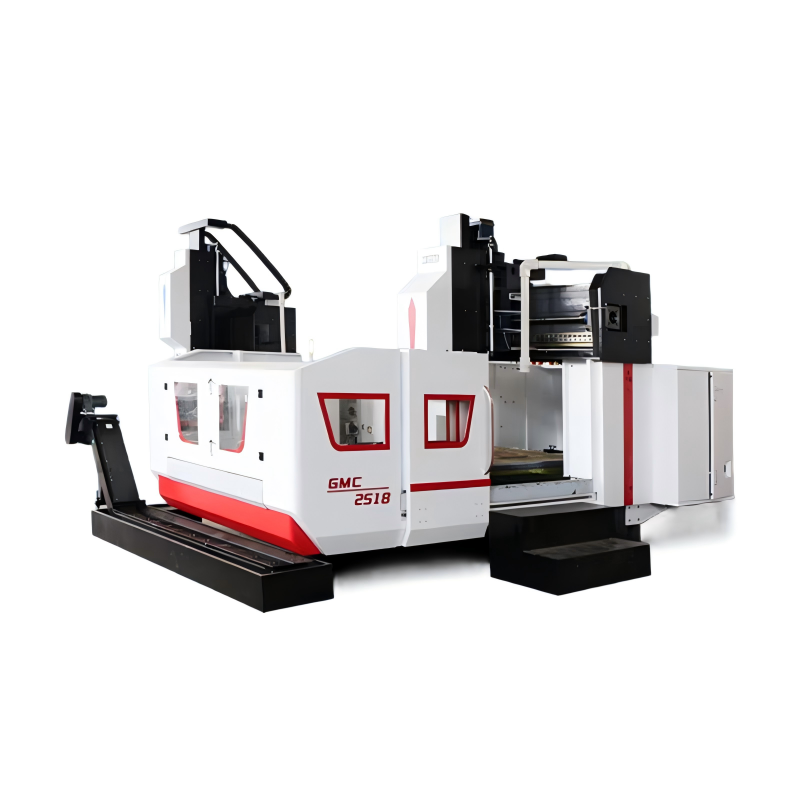
In the ever-evolving landscape of port operations, the introduction and implementation of Gantry-Type Large installations have marked a significant shift in how ports operate. These structures, characterized by their robust design and expansive reach, are not only changing the physical layout of ports but also revolutionizing operational efficiency, safety, and environmental sustainability. This report delves into the transformative impact of gantry-type large installations on port operations, highlighting key areas where these innovations are making a difference.
Enhancing Operational Efficiency through Automation
The integration of gantry-type large installations has been pivotal in streamlining port operations. These systems, often equipped with advanced automation technologies, enable faster and more accurate handling of cargo. By reducing the reliance on manual labor, ports can significantly increase their throughput. For instance, automated gantry cranes can operate 24/7 without the need for breaks, leading to a substantial increase in the number of containers that can be processed per day. Additionally, the precision of these machines minimizes the risk of damage to cargo, thereby reducing costs associated with repairs and insurance claims.
Improving Safety Standards
Safety is a paramount concern in any industrial setting, and ports are no exception. Gantry-type large installations have introduced a new level of safety to port operations. These structures are designed with multiple fail-safes and redundancy systems to ensure that they can operate reliably even under extreme conditions. Moreover, the use of sensors and real-time monitoring systems allows for immediate detection and response to potential hazards. This proactive approach to safety not only protects the workforce but also prevents costly accidents and downtime. The reduction in human involvement in dangerous tasks, such as container stacking, further enhances the overall safety of the port environment.
Contributing to Environmental Sustainability
As the world increasingly focuses on sustainability, the role of gantry-type large installations in reducing the environmental footprint of ports cannot be overstated. These systems are often powered by electric motors, which produce zero emissions at the point of use. This shift from diesel-powered cranes to electric ones significantly reduces the carbon footprint of port operations. Furthermore, the energy-efficient design of modern gantry cranes, combined with regenerative braking systems, allows for the recovery and reuse of energy, further minimizing the overall energy consumption. In addition, the precise control provided by these machines ensures that each movement is optimized, reducing unnecessary energy usage and contributing to a more sustainable future.
The adoption of gantry-type large installations in ports is not just a technological upgrade; it represents a fundamental shift in how we approach logistics and transportation. By enhancing operational efficiency, improving safety standards, and contributing to environmental sustainability, these structures are setting a new standard for port operations. As the global demand for efficient and sustainable logistics solutions continues to grow, the importance of gantry-type large installations will only become more pronounced. Ports that embrace this technology will be better positioned to meet the challenges of the future and remain competitive in an increasingly interconnected world.

 18/06/2026



