In the evolving landscape of manufacturing, the integration of advanced machinery has become a cornerstone for enhancing productivity and precision. This technical report delves into how a Vertical Milling Machine can transform your machining process, while also exploring the role of a low noise Flat Bed CNC Lathe in achieving optimal results.
Enhanced Precision and Versatility with Vertical Milling Machines
Vertical milling machines are renowned for their ability to provide high levels of precision and versatility in machining processes. These machines are designed to handle a wide range of materials, from soft plastics to hard metals, making them indispensable in various industries. The vertical orientation of the spindle allows for excellent control over the cutting tool, ensuring that complex geometries and intricate designs can be achieved with ease. This level of precision is crucial in applications where tolerances are tight, such as in aerospace, automotive, and medical device manufacturing.
Moreover, vertical milling machines offer a more ergonomic working position compared to horizontal mills, which can lead to improved operator comfort and reduced fatigue. This, in turn, can enhance overall productivity and reduce the likelihood of errors due to human factors.
Integration of Low Noise Flat Bed CNC Lathe for Optimal Performance
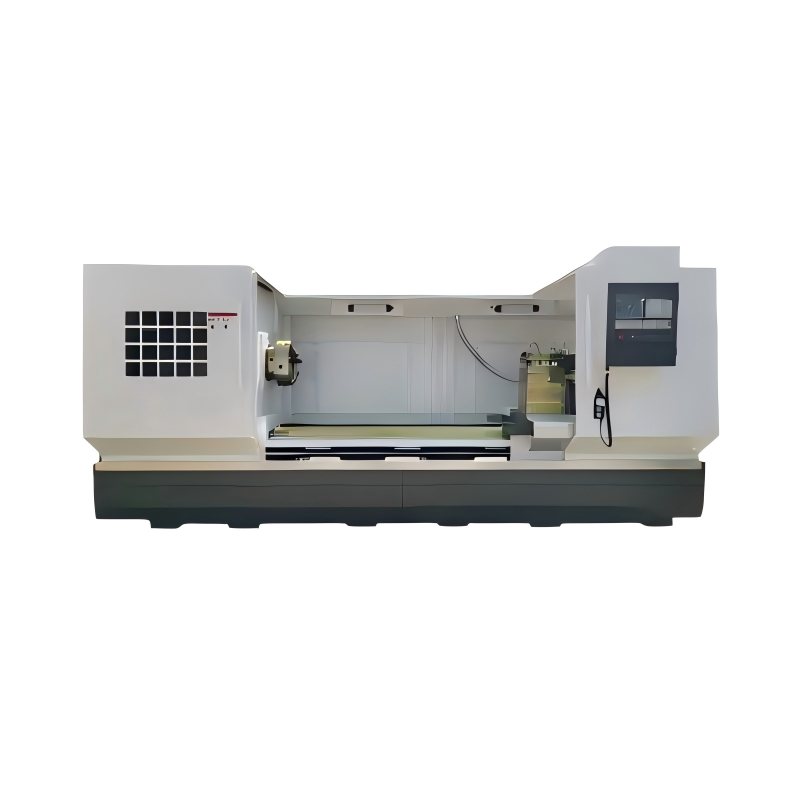
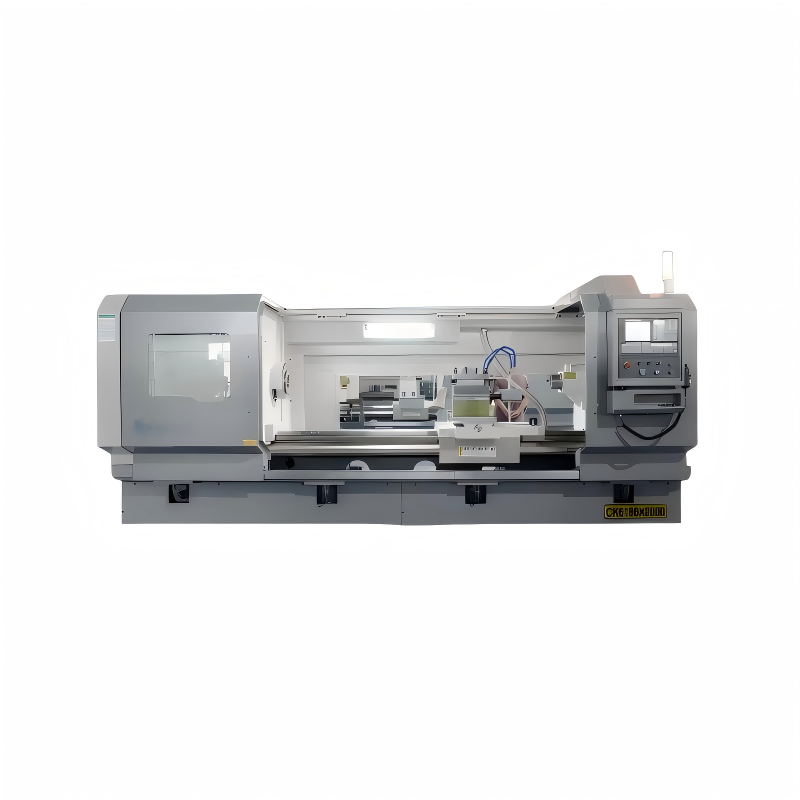
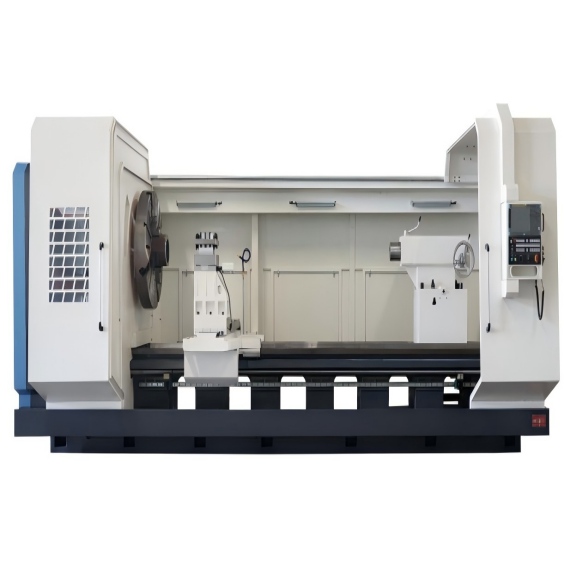
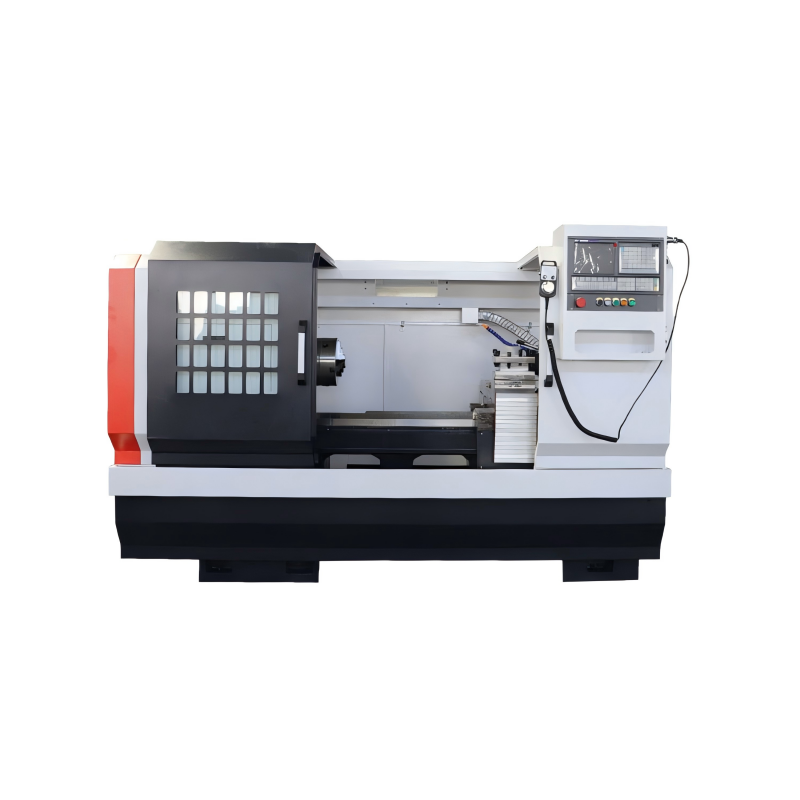
A low noise flat bed CNC Lathe plays a complementary role in the machining process by providing a quieter and more stable environment for turning operations. The low noise feature is particularly beneficial in environments where noise pollution is a concern, such as in small workshops or near residential areas. By reducing noise levels, these lathes contribute to a more pleasant and safer working environment, which can positively impact employee well-being and productivity.
The flat bed design of the CNC lathe ensures that the workpiece remains stable during the machining process, minimizing vibrations and improving the accuracy of the final product. This stability is essential for achieving consistent results, especially in high-precision applications. Additionally, the CNC (Computer Numerical Control) capabilities of the lathe allow for automated and repeatable operations, further enhancing efficiency and reducing the risk of human error.
Streamlining Workflow and Reducing Downtime
One of the key advantages of integrating a vertical milling machine and a Low noise flat bed CNC lathe into your machining process is the potential for streamlining workflow and reducing downtime. Both machines are designed to handle a wide range of tasks, from simple to complex, and can be programmed to perform multiple operations in a single setup. This reduces the need for frequent tool changes and repositioning, which can be time-consuming and labor-intensive.
Furthermore, the use of modern software and automation technologies in these machines allows for seamless integration with other systems, such as CAD/CAM (Computer-Aided Design/Computer-Aided Manufacturing) software. This integration enables the creation of a fully digital workflow, from design to production, which can significantly reduce lead times and improve overall efficiency. By minimizing downtime and optimizing the use of resources, manufacturers can achieve higher throughput and better meet customer demands.
Cost-Effectiveness and Long-Term Benefits
Investing in a vertical milling machine and a low noise flat bed CNC lathe can yield significant cost savings in the long run. While the initial investment may be substantial, the benefits of increased precision, reduced waste, and improved productivity can quickly offset the costs. For instance, the ability to produce high-quality parts with minimal defects can reduce the need for rework and scrap, leading to lower material and labor costs.
Additionally, the durability and reliability of these machines mean that they require less maintenance and have a longer operational life. This translates to lower ongoing costs and a higher return on investment. The combination of these factors makes the integration of a vertical milling machine and a low noise flat bed CNC lathe a cost-effective solution for manufacturers looking to enhance their machining capabilities.
Conclusion
The integration of a vertical milling machine and a low noise flat bed CNC lathe can significantly transform your machining process by enhancing precision, versatility, and efficiency. These machines not only provide the necessary tools for achieving high-quality results but also create a more comfortable and productive working environment. By streamlining workflow, reducing downtime, and offering long-term cost savings, these advanced machines are essential for manufacturers aiming to stay competitive in today's market.
 29/06/2026



