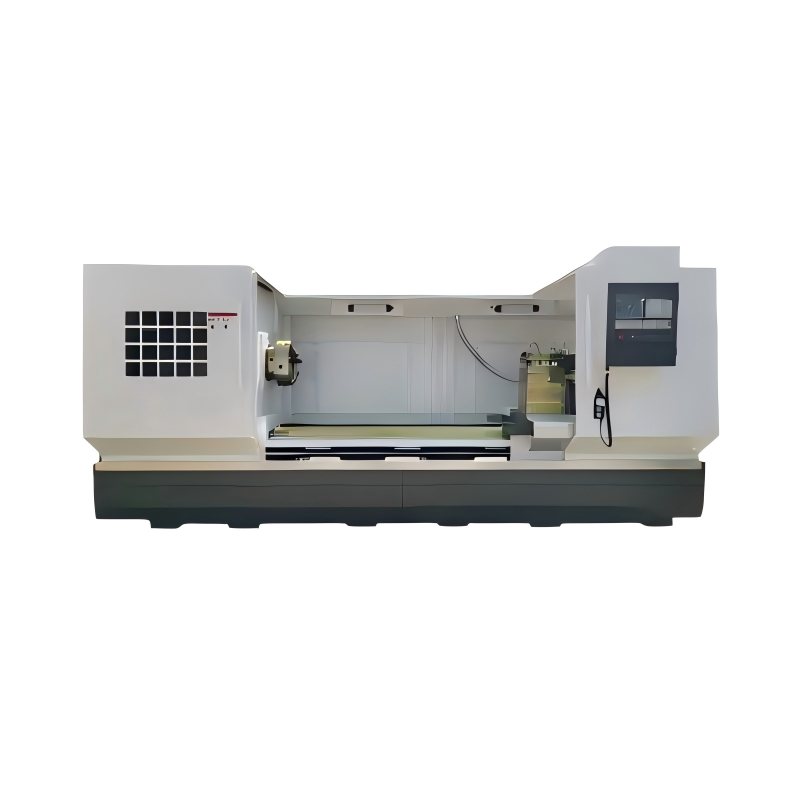
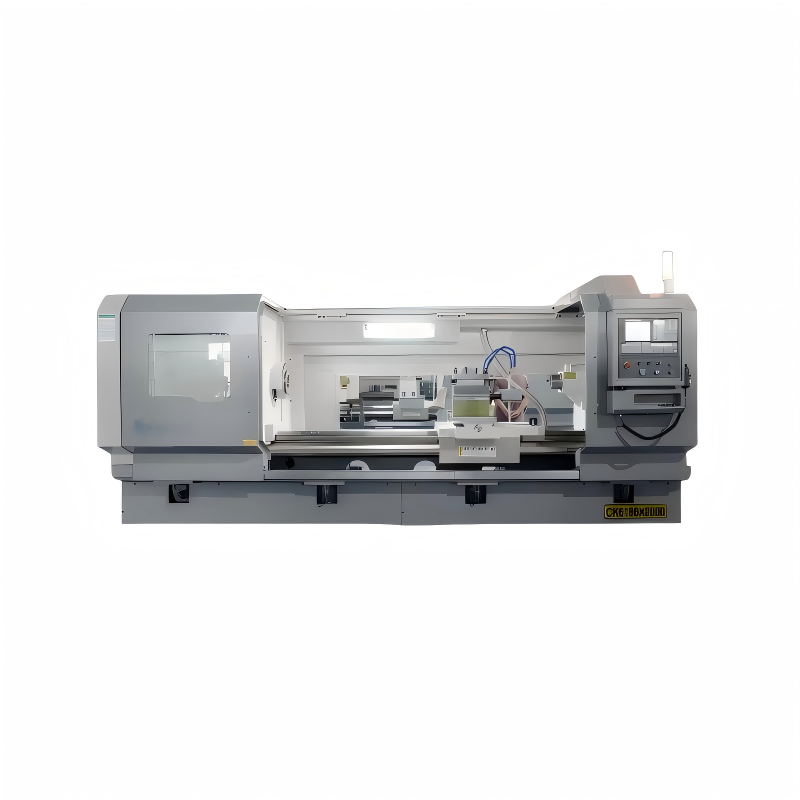
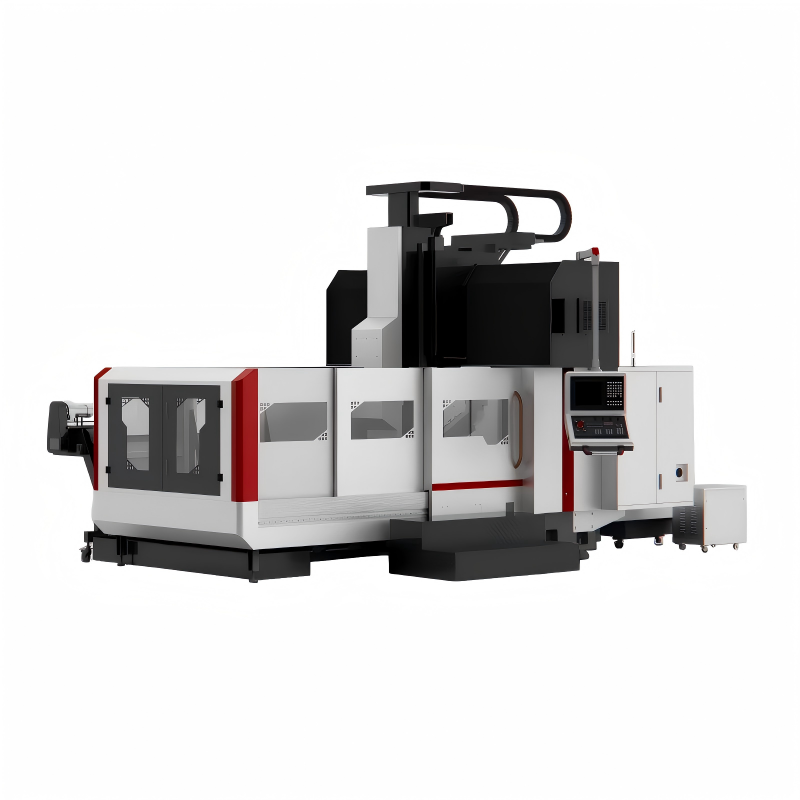
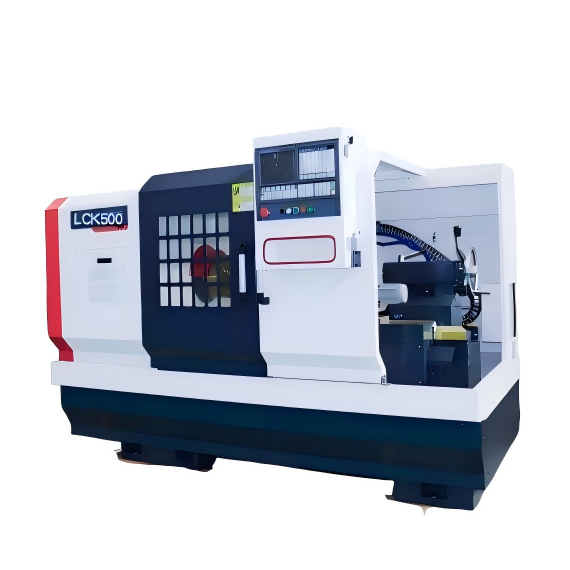
In the realm of modern manufacturing, the integration of advanced machinery such as the Low noise Flat Bed CNC Lathe and the floor type horizontal Machining Center has revolutionized production processes. This report aims to explore how these technologies can be leveraged to optimize efficiency in a manufacturing environment.
The Low noise flat bed CNC Lathe is a prime example of how advancements in technology have led to more efficient and precise manufacturing. This machine is designed to minimize operational noise, making it suitable for environments where noise pollution needs to be controlled. The low noise feature not only improves the working conditions but also enhances the overall precision of the operations. By reducing vibrations and noise, the Low noise flat bed CNC lathe ensures that the cutting process is smoother and more consistent, leading to higher quality finished products.
Moreover, the flat bed design of this CNC lathe allows for better chip evacuation, which is crucial for maintaining the accuracy of the machining process. Chips and debris are efficiently removed, preventing them from interfering with the cutting tool and the workpiece. This results in a cleaner and more controlled machining environment, which is essential for achieving high-precision parts.
A Floor type horizontal machining center is another critical piece of equipment that can significantly enhance the productivity of a manufacturing facility. These machines are known for their robust construction and ability to handle large and heavy workpieces, making them ideal for industries such as aerospace, automotive, and heavy machinery.
One of the key advantages of a floor type horizontal machining center is its versatility. It can perform a wide range of operations, including milling, drilling, tapping, and boring, all in a single setup. This reduces the need for multiple setups and retooling, which can be time-consuming and prone to errors. By consolidating these operations, the floor type horizontal machining center streamlines the production process, leading to faster turnaround times and increased throughput.
Additionally, these machines are equipped with advanced control systems that allow for high-speed and high-precision machining. The use of servo motors and linear guides ensures smooth and accurate movement, while the rigid construction minimizes vibrations and deflections. This combination of features results in superior surface finishes and dimensional accuracy, which are essential for meeting the stringent requirements of modern manufacturing.
To fully leverage the capabilities of both the Low noise flat bed CNC lathe and the floor type horizontal machining center, it is essential to integrate automation into the workflow. Automation can take various forms, such as the use of robotic arms for loading and unloading workpieces, or the implementation of a computer-aided manufacturing (CAM) system to generate toolpaths and control the machines.
Robotic arms can significantly reduce the downtime between operations by handling the loading and unloading of workpieces with speed and precision. This not only increases the overall efficiency of the production line but also reduces the risk of human error and injury. Furthermore, the use of CAM systems allows for the seamless transfer of data from the design phase to the machining phase, ensuring that the machines are always operating with the most up-to-date and accurate information.
Another aspect of automation is the use of sensors and monitoring systems to track the performance of the machines in real-time. These systems can detect issues such as tool wear, thermal deviations, and mechanical failures before they become critical. By providing early warnings, these systems enable proactive maintenance, which helps to prevent unplanned downtime and extends the lifespan of the equipment.
Efficient material handling and logistics are crucial for maintaining a smooth and productive manufacturing process. The integration of automated material handling systems, such as conveyors, pallet changers, and automatic storage and retrieval systems (AS/RS), can greatly enhance the flow of materials within the facility.
Conveyors can be used to transport raw materials and finished products between different stages of the production process, reducing the need for manual handling and minimizing the risk of damage. Pallet changers, on the other hand, allow for the quick and efficient exchange of workpieces, enabling the machines to operate continuously without interruptions. AS/RS systems provide a highly organized and accessible storage solution, ensuring that materials and tools are readily available when needed.
By optimizing material handling and logistics, manufacturers can reduce lead times, improve inventory management, and ensure that the production process runs smoothly. This, in turn, leads to higher productivity and lower operational costs, making the manufacturing operation more competitive in the market.
Sustainability and energy efficiency are increasingly important considerations in modern manufacturing. Both the Low noise flat bed CNC lathe and the floor type horizontal machining center can be designed and operated in ways that minimize their environmental impact and reduce energy consumption.
One way to achieve this is through the use of energy-efficient components and systems. For example, the use of variable frequency drives (VFDs) for the motors can help to reduce power consumption by adjusting the motor speed based on the load requirements. Additionally, the implementation of regenerative braking systems can capture and reuse the energy generated during deceleration, further reducing the overall energy consumption.
Another approach is to optimize the machining parameters to minimize waste and improve the utilization of resources. This can include using advanced cutting tools and techniques that reduce the amount of material removed during the machining process, as well as implementing recycling and waste management practices to handle the chips and coolant more effectively.
By focusing on sustainability and energy efficiency, manufacturers can not only reduce their operational costs but also contribute to a more environmentally friendly and responsible manufacturing industry.
In conclusion, the integration of the Low noise flat bed CNC lathe and the floor type horizontal machining center, along with the adoption of automation, optimized material handling, and sustainable practices, can significantly enhance the efficiency and productivity of a manufacturing operation. These technologies and strategies provide a comprehensive solution for addressing the challenges of modern manufacturing, ensuring that the production process is not only efficient but also precise, versatile, and environmentally conscious.
 29/06/2026
Understanding the Versatility of Vertical Milling MachinesVertical milling machines, known for their ability to perform a wide range of machining operations, have become indispensable in modern industrial settings. These machines are particularly valued f
Read More29/06/2026In the modern manufacturing environment, selecting the right machinery is crucial for both efficiency and productivity. A low noise flat bed CNC lathe stands out as an excellent choice for many shops due to its unique features and benefits. This report ai
Read More29/06/2026In the evolving landscape of manufacturing, the integration of advanced machinery has become a cornerstone for enhancing productivity and precision. This technical report delves into how a vertical milling machine can transform your machining process, whi
Read More25/06/2026In today's industrial landscape, the integration of advanced machinery is pivotal for enhancing not only productivity but also the overall working environment. Among such innovations, the low noise flat bed CNC lathe stands out as a game-changer, particul
Read More23/06/2026In the global market, China has become a significant player in the export of advanced manufacturing machinery, particularly in the domain of CNC (Computer Numerical Control) lathes. Among these, the low noise flat bed CNC lathe stands out for its precisio
Read More23/06/2026In the realm of modern manufacturing, precision and efficiency are paramount. The integration of advanced technologies into production processes not only enhances productivity but also ensures that the final products meet the highest quality standards. On
Read More22/06/2026In the realm of modern manufacturing, advancements in technology have led to significant improvements in machinery, with one notable example being the low noise flat bed CNC lathe. This article delves into the various advantages that this type of CNC lath
Read More22/06/2026In the realm of modern manufacturing, precision and efficiency are paramount. The introduction of low noise flat bed CNC lathes has significantly impacted workshop productivity, offering a blend of advanced technology and user-friendly design. This report
Read More22/06/2026In the realm of precision machining, the selection of an appropriate machine tool is critical for achieving high-quality results. The CK6186 low noise flat bed CNC lathe stands out as a prime example of advanced engineering designed to meet these demands.
Read More03/06/2026In today's fast-paced manufacturing environment, the demand for high-precision and efficient machining solutions has never been higher. The latest low noise flat bed CNC lathe technology is at the forefront of meeting these demands, offering a blend of pr
Read More03/06/2026In the world of precision machining, the choice between a traditional flat bed CNC lathe and a low noise flat bed CNC lathe can significantly impact both the quality of work and the working environment. This technical report aims to compare these two type
Read More03/06/2026In the ever-evolving landscape of industrial manufacturing, precision and efficiency are paramount. A low noise flat bed CNC lathe is a cutting-edge solution that addresses these needs while also providing a more comfortable working environment. This repo
Read More03/06/2026In the realm of precision machining, a low noise flat bed CNC lathe is an essential tool for achieving high-quality outputs with minimal disturbance. This guide aims to provide a comprehensive understanding of maintaining such machinery for optimal perfor
Read More03/06/2026In the realm of precision machining, low noise flat bed CNC lathes have emerged as a preferred choice for industries requiring high-accuracy and minimal operational disturbances. These machines are designed with advanced features that not only enhance the
Read More03/06/2026In the ever-evolving world of manufacturing, the integration of advanced technologies has become a necessity to enhance productivity and maintain a competitive edge. One such innovation that has significantly impacted the industry is the low noise flat be
Read More03/06/2026In the modern manufacturing landscape, the pursuit of enhanced productivity without compromising on quality or working environment is a top priority. This technical report delves into how the integration of a low noise flat bed CNC lathe can significantly
Read More03/06/2026When it comes to selecting the right low noise flat bed CNC lathe for your workshop, there are numerous factors that must be considered. This guide aims to provide a comprehensive overview of the key considerations in choosing an efficient and suitable ma
Read More03/06/2026In the realm of precision machining, a low noise flat bed CNC lathe stands out as an innovative solution that not only enhances the working environment but also significantly improves the efficiency and quality of machined components. This technical repor
Read More03/06/2026In the ever-evolving landscape of modern manufacturing, the introduction of low noise flat bed CNC lathes has revolutionized precision engineering and production efficiency. These advanced machines not only provide a quieter working environment but also o
Read More03/06/2026Introduction to Low Noise Flat Bed CNC Lathes The advent of low noise flat bed CNC lathes is revolutionizing the manufacturing industry by setting new standards for operational efficiency and environmental friendliness. These advanced machines are designe
Read More03/06/2026Introduction to Flat Bed CNC LathesThe evolution of machining technology has brought about significant advancements, with one of the most notable being the Low noise flat bed CNC lathe. This innovative machine is not only a marvel in precision but also se
Read More03/06/2026The Evolution of CNC Lathes: A Focus on Low Noise DesignIn the ever-evolving landscape of manufacturing, the design and functionality of Computer Numerical Control (CNC) lathes have undergone significant transformations. One of the most notable advancemen
Read MoreOur professional sales team is always ready to assist you.