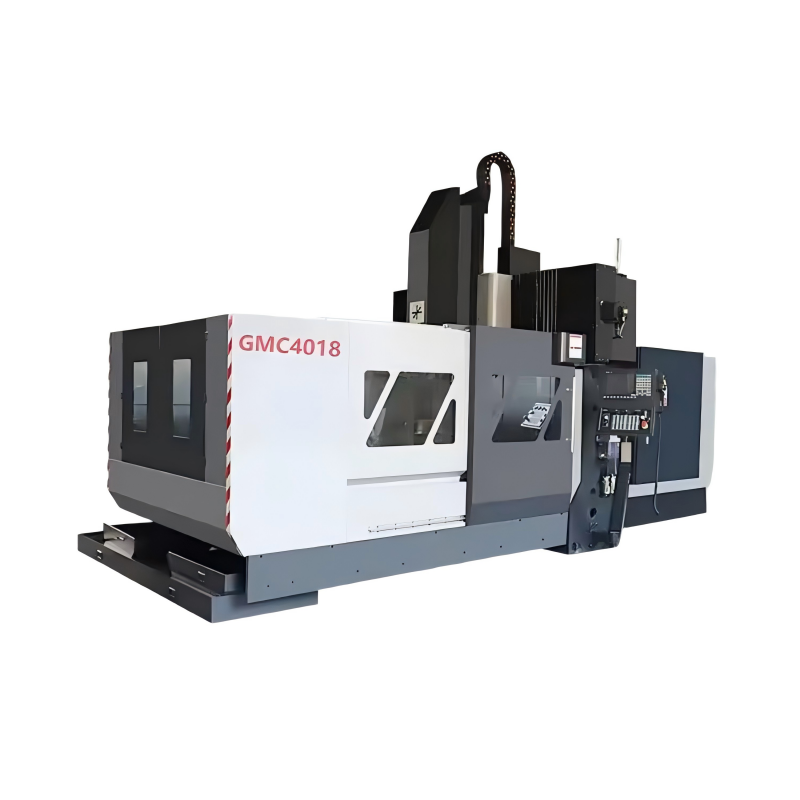
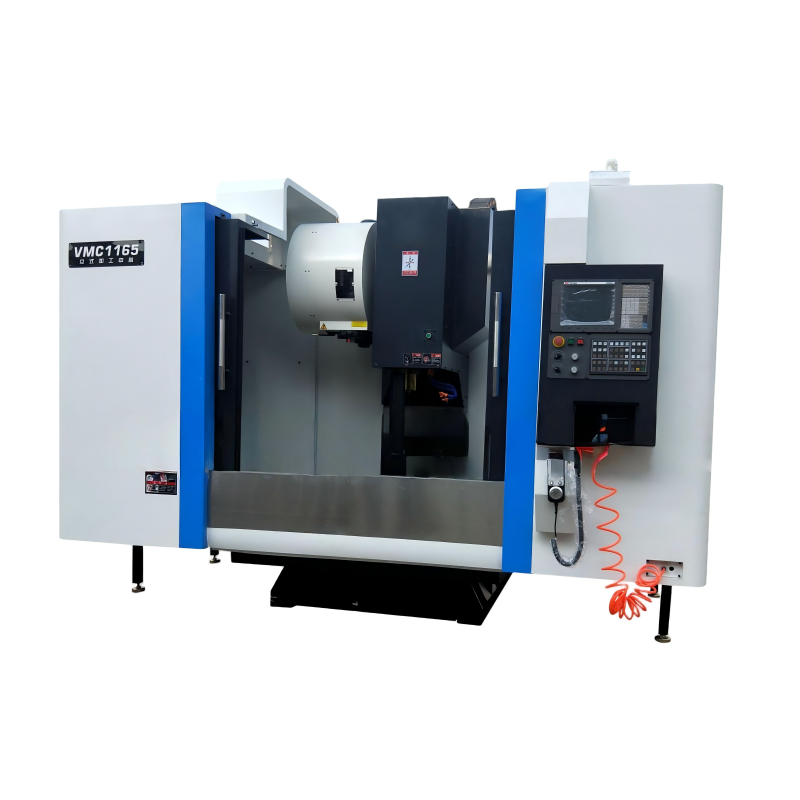
The advent of Computer Numerical Control (CNC) technology has been a game-changer in the manufacturing sector, especially with machines like the CNC pipe threading lathe. This innovation has not only improved the efficiency and accuracy of production processes but also significantly reduced labor costs. By automating tasks that were once done manually, CNC Lathes have enabled manufacturers to produce high-precision parts at an unprecedented scale.
One of the most significant advantages of using CNC lathes is the enhancement of precision and consistency in part production. Traditional manual lathes, while capable, often suffer from human error, leading to inconsistencies in the final product. In contrast, a CNC pipe threading lathe operates based on pre-programmed instructions, ensuring each operation is performed exactly as specified. This level of automation means that every part produced by a CNC lathe will be virtually identical, which is crucial for industries where even the slightest deviation can lead to failure, such as aerospace or automotive engineering.
Moreover, the use of advanced software in CNC lathes allows for complex geometries to be machined with ease, something that would be extremely difficult, if not impossible, to achieve consistently with manual methods. As a result, manufacturers can now take on more intricate projects without worrying about the variability in quality, thereby expanding their market reach and potential customer base.
Another major benefit of integrating CNC lathe technology into manufacturing processes is the substantial reduction in both production time and overall costs. A CNC pipe threading lathe, for instance, can complete operations much faster than its manual counterpart due to its ability to perform multiple tasks simultaneously and without breaks. The speed at which these machines operate directly translates to higher output rates, allowing companies to meet demand more efficiently and potentially increase their profit margins.
Furthermore, the initial investment in a CNC lathe, though considerable, is offset over time by lower operational costs. These machines require less direct supervision, reducing the need for skilled labor. Additionally, they consume energy more efficiently compared to traditional equipment, contributing to further cost savings. Maintenance is also easier and less frequent, thanks to the robust design and durable materials used in constructing modern CNC lathes.
A key feature of CNC lathes that sets them apart from older technologies is their flexibility and adaptability. With a CNC pipe threading lathe, changing the type of workpiece or the specific machining operation requires only a simple adjustment to the program. This makes it incredibly easy for manufacturers to switch between different products or to make modifications to existing designs, all without the need for extensive retooling or setup times.
This adaptability is particularly beneficial in today’s fast-paced business environment, where market demands can change rapidly. Companies equipped with CNC lathes are better positioned to respond quickly to these changes, whether it's launching new product lines, adjusting specifications to meet customer feedback, or scaling up production to capitalize on emerging trends. Consequently, this increased agility can give businesses a competitive edge, enabling them to stay ahead of the curve in an increasingly dynamic marketplace.
In conclusion, the integration of CNC lathe technology, including the CNC pipe threading lathe, into manufacturing processes represents a significant leap forward in terms of productivity, quality, and cost-effectiveness. By enhancing precision, reducing production time and costs, and increasing flexibility, CNC lathes are revolutionizing the way goods are produced. As we look to the future, it's clear that continued advancements in CNC technology will play a pivotal role in shaping the manufacturing landscape, driving innovation and growth across various industries.
 22/06/2026
In the ever-evolving landscape of manufacturing, the integration of advanced machinery is crucial for maintaining a competitive edge. One such machine that has proven to be a game-changer in many workshops is the CNC pipe threading lathe. This article exp
Read More19/06/2026In the realm of industrial manufacturing, the precision and efficiency of large workpiece turning equipment are paramount. China, with its robust engineering sector, has been at the forefront of developing advanced CNC (Computer Numerical Control) pipe th
Read More17/06/2026Understanding the Basics of CNC Pipe Threading LatheThe CNC pipe threading lathe is a sophisticated machine designed to enhance the efficiency and accuracy of pipe threading operations. This technology has revolutionized the way pipes are prepared for con
Read More17/06/2026In the ever-evolving landscape of manufacturing, precision and efficiency are paramount. The advent of Computer Numerical Control (CNC) technology has revolutionized the way we approach machining, with CNC pipe threading lathe being a prime example of how
Read More16/06/2026The advent of advanced CNC (Computer Numerical Control) pipe threading lathe technologies has significantly transformed the manufacturing landscape, particularly in sectors that rely heavily on precision and efficiency. This document aims to explore how t
Read More16/06/2026In the world of precision engineering, a CNC pipe threading lathe is an indispensable tool for creating threads on pipes and other cylindrical parts. These machines are designed to provide high accuracy and repeatability, making them ideal for both small-
Read More16/06/2026The advent of Computer Numerical Control (CNC) technology has significantly transformed various industries, including the plumbing sector. One of the most notable innovations is the CNC pipe threading lathe, which has revolutionized how pipes are threaded
Read More16/06/2026Understanding the Basics of CNC Pipe Threading LathesThe world of machining has seen a significant transformation with the advent of Computer Numerical Control (CNC) technology, which includes the CNC pipe threading lathe. This equipment is specifically d
Read More16/06/2026In the realm of modern machining, the CNC pipe threading lathe stands out as a remarkable innovation, combining precision with efficiency. This report delves into the intricacies of this advanced machinery, exploring its technical specifications, operatio
Read MoreOur professional sales team is always ready to assist you.