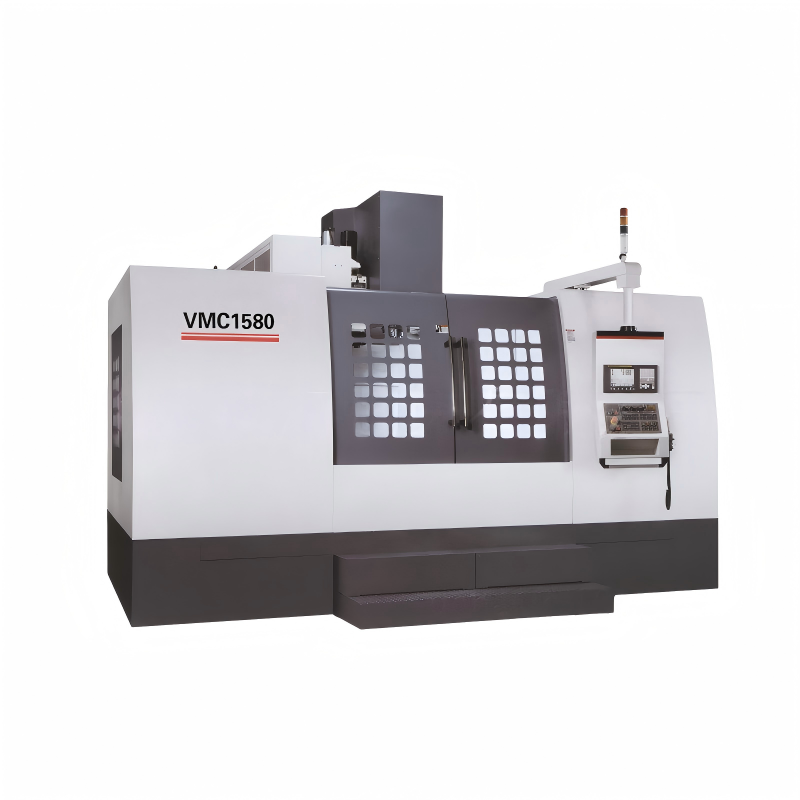
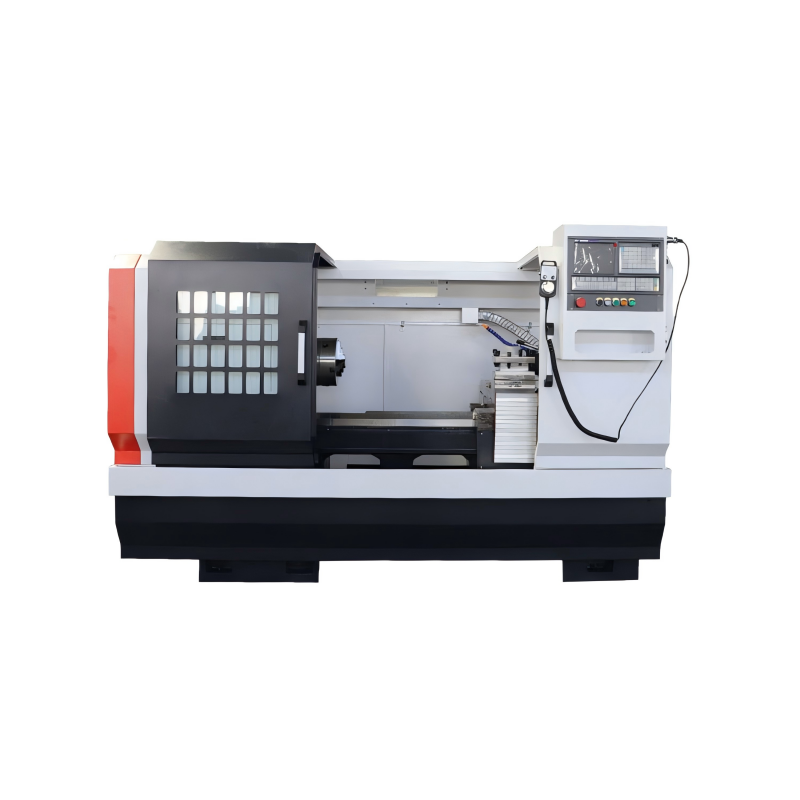
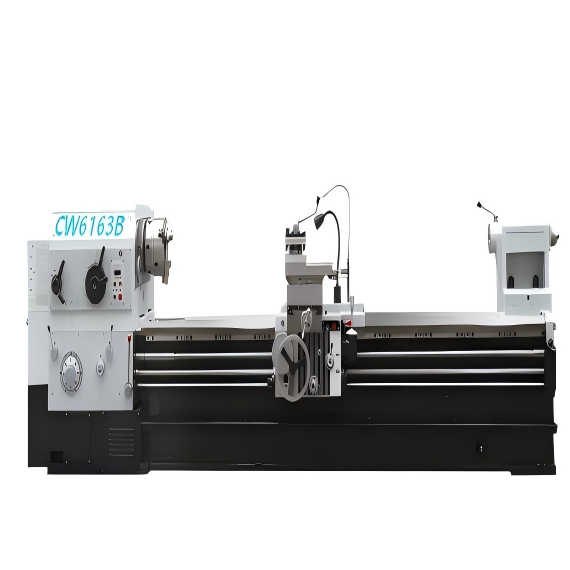
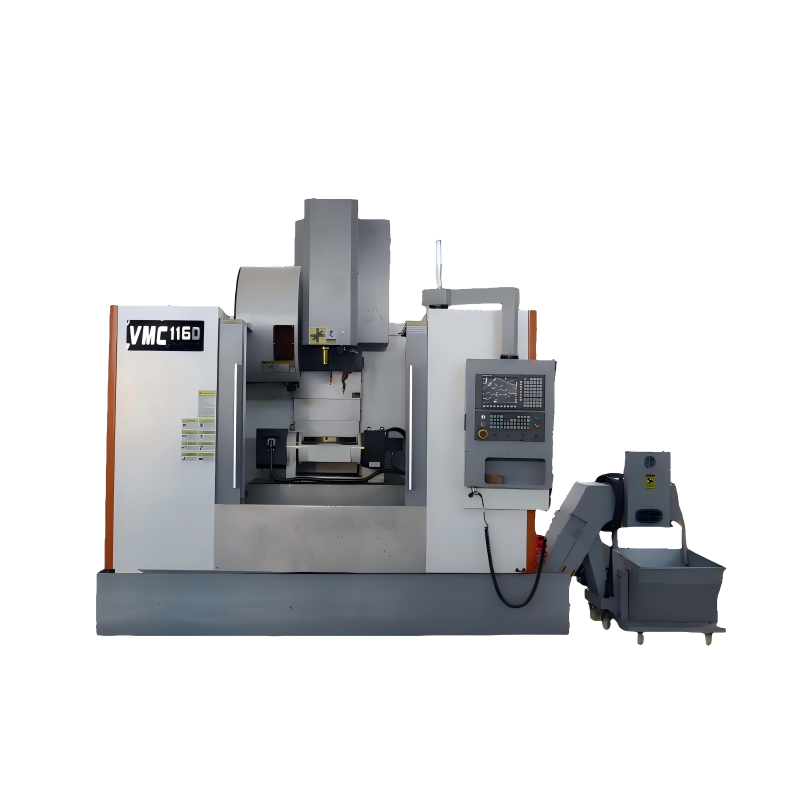
In the rapidly evolving world of manufacturing, high precision CNC Lathes have emerged as a game-changer. These advanced machines represent a significant leap forward from traditional manual lathes, offering unparalleled accuracy and efficiency. The integration of computer numerical control (CNC) technology has enabled these lathes to perform complex operations with minimal human intervention, making them indispensable in modern manufacturing processes.
The evolution of High precision CNC Lathes can be traced back to the early 1950s when the first numerically controlled machine tools were developed. Since then, advancements in software, hardware, and materials science have propelled these machines to new heights. Today, they are capable of achieving tolerances within microns, which is crucial for industries that demand extreme precision, such as aerospace, medical devices, and automotive components.
High precision CNC lathes are equipped with a range of features that set them apart from their conventional counterparts. One of the most notable features is their ability to operate with high repeatability and consistency. This is achieved through the use of sophisticated control systems and feedback mechanisms that continuously monitor and adjust the machining process in real-time. Additionally, these lathes often come with multi-axis capabilities, allowing for the production of intricate and complex parts with ease.
Another key feature is the use of advanced cutting tools and materials. High precision CNC lathes can utilize a variety of cutting tools, including carbide, ceramic, and polycrystalline diamond (PCD) inserts, each designed to handle specific materials and machining requirements. The selection of the right tooling is critical for achieving optimal results, and modern CNC lathes provide operators with the flexibility to choose the best options for their applications.
Furthermore, high precision CNC lathes are often integrated with advanced software solutions that enable efficient programming and simulation. CAD/CAM (Computer-Aided Design/Computer-Aided Manufacturing) software allows engineers to design and simulate the entire machining process before it is executed on the lathe. This not only reduces the risk of errors but also optimizes the machining time and material usage, leading to cost savings and increased productivity.
The introduction of high precision CNC lathes has had a profound impact on manufacturing processes across various industries. In the aerospace sector, for example, these lathes are used to produce critical components such as engine parts, landing gear, and structural elements. The ability to achieve tight tolerances and high surface finishes is essential for ensuring the safety and performance of aircraft.
In the medical device industry, high precision CNC lathes play a vital role in the production of surgical instruments, implants, and other medical equipment. The stringent quality standards in this field require parts to be manufactured with the utmost precision and reliability. High precision CNC lathes meet these demands by providing consistent and accurate results, even for the most complex and delicate components.
The automotive industry is another major beneficiary of high precision CNC lathes. From engine blocks and transmission parts to brake components and steering systems, these lathes are used to manufacture a wide range of parts that require high precision and durability. The ability to produce parts with tight tolerances ensures that vehicles operate smoothly and safely, meeting the high standards set by manufacturers and regulatory bodies.
Moreover, high precision CNC lathes have also found applications in the electronics and semiconductor industries, where they are used to produce small, intricate components with high accuracy. The miniaturization trend in these sectors has driven the need for machining technologies that can handle extremely fine details, and high precision CNC lathes have risen to the challenge.
Beyond their technical capabilities, high precision CNC lathes offer significant economic and environmental benefits. From an economic perspective, these lathes reduce labor costs by automating many of the tasks traditionally performed by skilled machinists. This not only increases productivity but also frees up human resources to focus on more value-added activities, such as quality control and process optimization.
Additionally, the high precision and repeatability of CNC lathes result in less scrap and rework, leading to cost savings in terms of material and energy consumption. This is particularly important in industries where raw materials are expensive or scarce, such as in the aerospace and medical device sectors. By minimizing waste, high precision CNC lathes contribute to more sustainable manufacturing practices.
From an environmental standpoint, the reduced material and energy consumption associated with high precision CNC lathes translates into lower carbon footprints and less waste generation. This aligns with the growing global emphasis on sustainability and environmental responsibility. Manufacturers who adopt these advanced machines can not only improve their bottom line but also enhance their corporate social responsibility (CSR) profile.
The future of high precision CNC lathes looks promising, with ongoing research and development aimed at further enhancing their capabilities. One of the key areas of focus is the integration of artificial intelligence (AI) and machine learning (ML) technologies. These technologies can enable predictive maintenance, real-time monitoring, and adaptive control, leading to even higher levels of precision and efficiency.
Another trend is the development of hybrid machines that combine multiple functions, such as turning, milling, and grinding, into a single unit. This not only simplifies the manufacturing process but also reduces the need for multiple machines, saving space and improving workflow. Additionally, advancements in additive manufacturing (3D printing) are being explored to complement traditional subtractive machining, opening up new possibilities for part design and production.
Finally, the adoption of Industry 4.0 principles, such as the Internet of Things (IoT) and smart factories, is expected to further transform the landscape of high precision CNC lathes. Connected machines and data analytics can provide valuable insights into machine performance, enabling continuous improvement and optimization. As these trends continue to evolve, high precision CNC lathes will remain at the forefront of manufacturing innovation, driving the industry towards greater efficiency, sustainability, and competitiveness.
 26/06/2026
Advancements in High Precision CNC Lathes: A Technological LeapThe advent of high precision CNC lathes has revolutionized the manufacturing industry, offering unparalleled accuracy and efficiency. These machines, equipped with advanced computer numerical
Read More25/06/2026With the rapid advancement in manufacturing technologies, the high precision CNC lathe has emerged as a cornerstone for achieving superior quality and efficiency in machining processes. This technology not only promises to revolutionize how we produce par
Read MoreOur professional sales team is always ready to assist you.