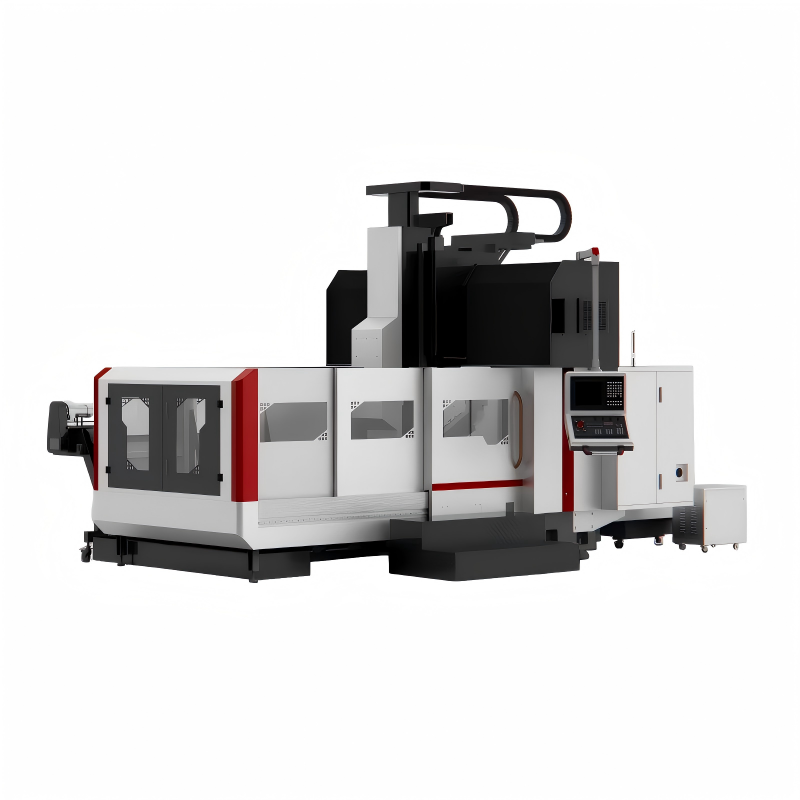
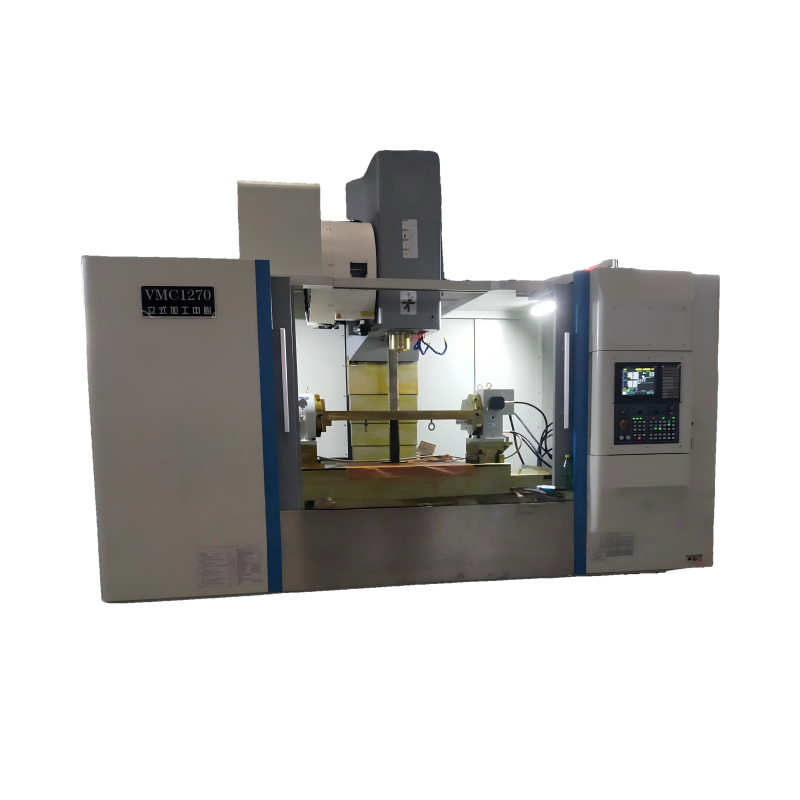
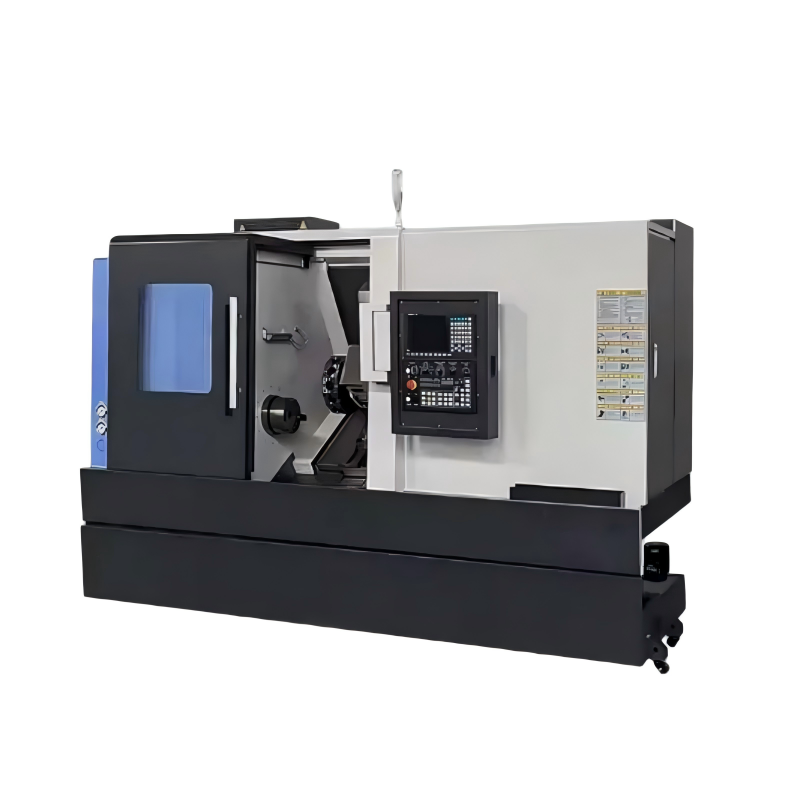
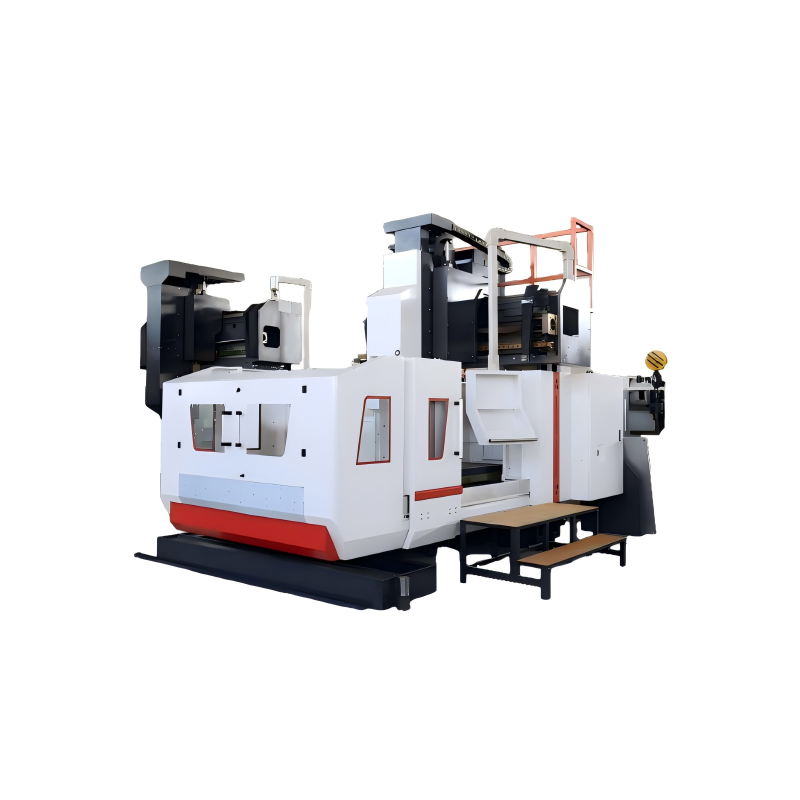
The advent of high precision CNC Lathes has revolutionized the manufacturing industry, offering unparalleled accuracy and efficiency. These machines, equipped with advanced computer numerical control (CNC) systems, have become indispensable tools for producing intricate parts with tight tolerances. The integration of cutting-edge software and hardware technologies enables these lathes to achieve sub-micron levels of precision, making them ideal for applications in aerospace, medical devices, and high-performance automotive components.
One of the key features of modern High precision CNC Lathes is their ability to perform complex multi-axis operations. Unlike traditional lathes, which are limited to simple turning and facing, these advanced machines can execute a wide range of machining processes, including milling, drilling, and tapping, all within a single setup. This capability not only reduces production time but also minimizes the potential for errors that can occur when moving a part between different machines.
Moreover, the use of high-precision sensors and feedback systems in these lathes ensures that the cutting tool remains in optimal position relative to the workpiece at all times. This level of control is critical for maintaining the tight tolerances required in many high-tech industries. As a result, manufacturers can produce parts with consistent quality, reducing waste and improving overall productivity.
The development of new materials, such as advanced composites and superalloys, has created both opportunities and challenges for the manufacturing industry. These materials offer superior strength-to-weight ratios, corrosion resistance, and other desirable properties, but they are often more difficult to machine than traditional metals. High precision CNC lathes play a crucial role in overcoming these challenges by providing the necessary precision and control to work with these materials effectively.
For example, in the aerospace industry, where weight reduction is a top priority, the use of high-strength, lightweight composites has become increasingly common. However, these materials can be highly abrasive and may require specialized cutting tools and techniques to achieve the desired surface finish and dimensional accuracy. High precision CNC lathes, with their advanced tooling and coolant systems, are well-suited for these demanding applications.
Similarly, in the medical device industry, the use of biocompatible materials, such as titanium and stainless steel, is essential for ensuring the safety and longevity of implants and surgical instruments. These materials are often difficult to machine due to their hardness and toughness. High precision CNC lathes, with their ability to maintain tight tolerances and produce smooth, burr-free surfaces, are ideal for manufacturing these critical components.
As the manufacturing industry continues to evolve, the demand for automation and integration in the production process has grown. High precision CNC lathes are no exception, and many manufacturers are now incorporating advanced automation technologies to further enhance their capabilities. One such technology is the use of robotic loading and unloading systems, which can significantly increase the throughput of a CNC lathe by eliminating the need for manual intervention.
Robotic systems can be programmed to handle a variety of workpieces, from small, delicate components to large, heavy parts. This flexibility allows manufacturers to adapt to changing production requirements and optimize their workflow. Additionally, the use of automated tool changers and in-process inspection systems can further streamline the machining process, ensuring that each part meets the required specifications before it leaves the machine.
Another important aspect of automation in high precision CNC lathes is the integration of these machines into larger, more complex manufacturing systems. For example, in a smart factory, multiple CNC lathes can be connected to a central control system, allowing for real-time monitoring and optimization of the entire production line. This level of integration enables manufacturers to respond quickly to changes in demand, reduce downtime, and improve overall efficiency.
While high precision CNC lathes have already made significant contributions to the manufacturing industry, there are still many opportunities for further innovation and improvement. One area of focus is the development of more advanced control algorithms and artificial intelligence (AI) systems. These technologies have the potential to further enhance the precision and efficiency of CNC lathes by enabling real-time optimization of the machining process and predictive maintenance of the machine itself.
Another trend is the increasing use of additive manufacturing (AM) technologies in conjunction with subtractive processes like CNC machining. Hybrid machines that combine 3D printing and CNC machining capabilities can offer unique advantages, such as the ability to create complex geometries and internal structures that would be impossible to produce using traditional methods alone. This combination of technologies can lead to more efficient and cost-effective manufacturing processes, particularly for low-volume, high-complexity parts.
However, the adoption of these advanced technologies also presents several challenges. For example, the integration of AI and AM into existing manufacturing systems requires significant investment in both hardware and software, as well as training for operators and engineers. Additionally, the rapid pace of technological change means that manufacturers must continually update their equipment and processes to remain competitive. Despite these challenges, the benefits of high precision CNC lathes and related technologies make them an essential part of the future of manufacturing.
High precision CNC lathes have transformed the manufacturing landscape, enabling the production of highly accurate and complex parts with unprecedented efficiency. Their advanced capabilities, combined with the integration of innovative materials, automation, and emerging technologies, continue to drive the industry forward. As the demands of modern manufacturing evolve, these machines will play an increasingly important role in unlocking new possibilities and pushing the boundaries of what is possible in the field of precision engineering.
 25/06/2026
With the rapid advancement in manufacturing technologies, the high precision CNC lathe has emerged as a cornerstone for achieving superior quality and efficiency in machining processes. This technology not only promises to revolutionize how we produce par
Read MoreOur professional sales team is always ready to assist you.