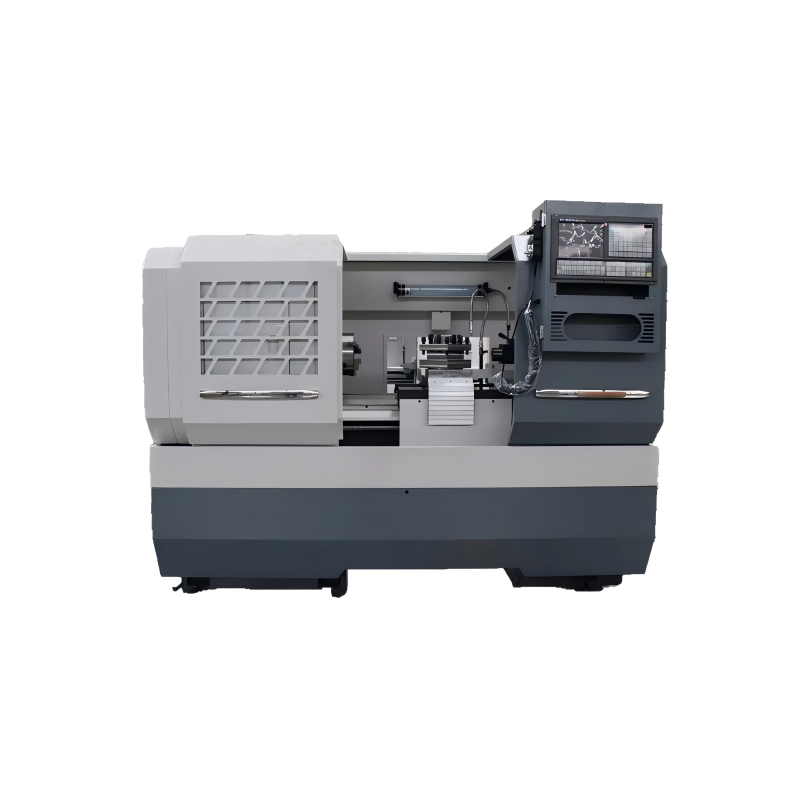
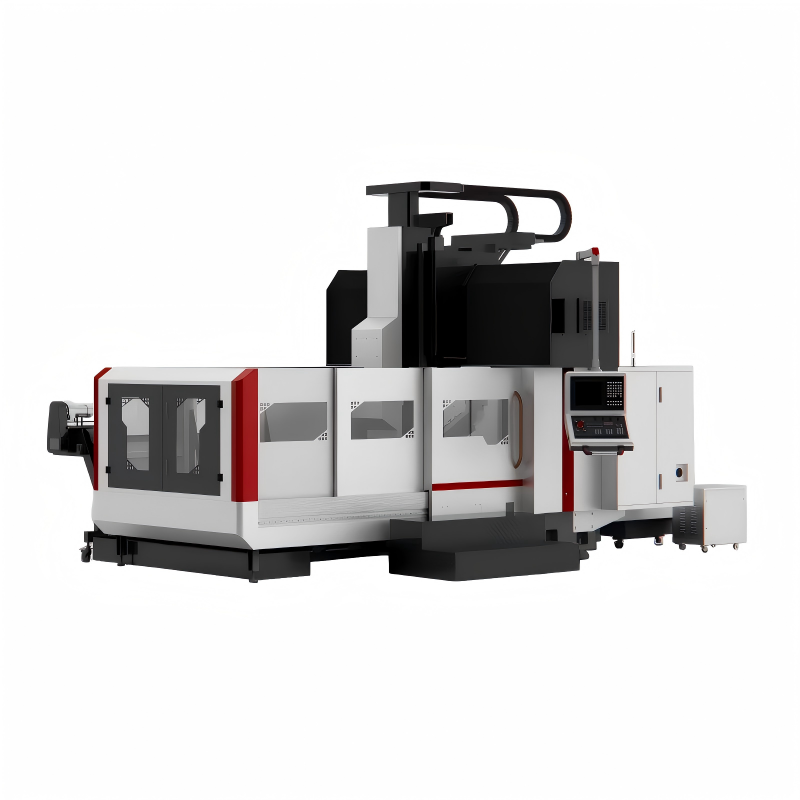
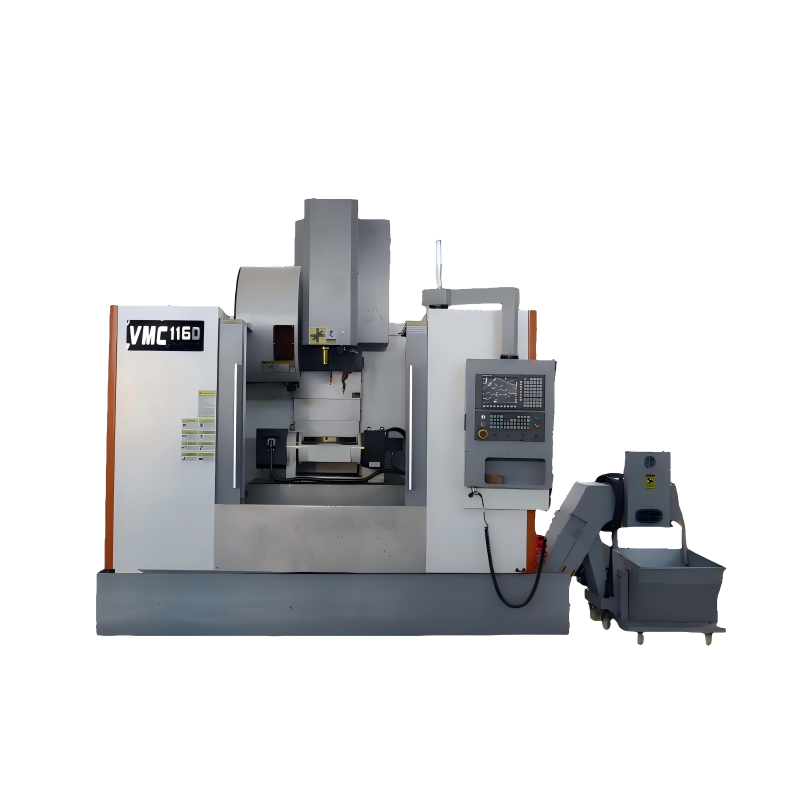
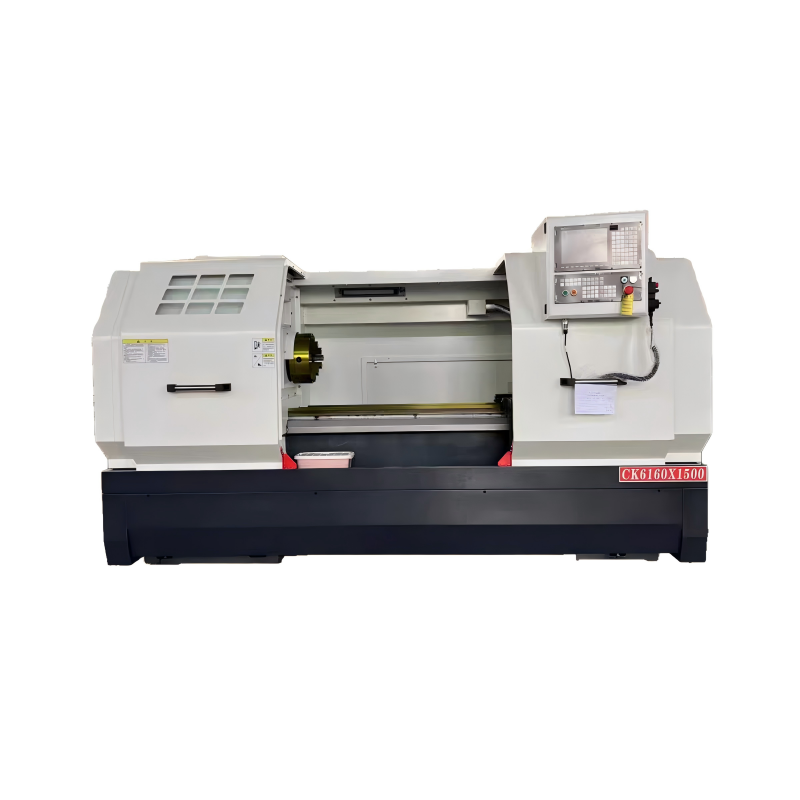
The vertical CNC lathe has emerged as a crucial tool in modern manufacturing, offering unique advantages that set it apart from its horizontal counterparts. This report explores how to maximize efficiency with a vertical CNC Lathe, focusing on several key strategies and best practices.
One of the primary ways to enhance efficiency with a Vertical CNC Lathe is through optimizing the machine setup. Proper setup not only reduces downtime but also ensures consistent and high-quality output. The first step is to ensure that all components, including the chuck, tooling, and workholding fixtures, are correctly aligned and secured. Misalignment can lead to poor machining accuracy and increased wear on the machine, which ultimately reduces productivity.
Additionally, using quick-change tooling systems can significantly reduce the time required for tool changes. These systems allow operators to switch tools rapidly, minimizing the idle time between operations. Regular maintenance and calibration of the lathe are also essential. A well-maintained machine operates more efficiently and is less likely to experience unexpected breakdowns, ensuring continuous production.
Advanced programming techniques play a critical role in maximizing the efficiency of a vertical CNC lathe. Utilizing high-level programming languages, such as G-code, allows for precise control over the machining process. However, simply writing basic G-code is not enough; leveraging advanced features like subroutines, macros, and parametric programming can further optimize the process.
Subroutines enable the reuse of code, reducing the need for repetitive programming and minimizing errors. Macros allow for the automation of complex tasks, streamlining the machining process. Parametric programming, on the other hand, enables the creation of flexible programs that can be easily modified to accommodate different part sizes and designs. By implementing these advanced programming techniques, operators can achieve higher throughput and better part quality.
High-speed machining (HSM) is another strategy that can significantly enhance the efficiency of a vertical CNC lathe. HSM involves operating the lathe at higher speeds and feed rates, which can reduce machining time and improve surface finish. To effectively implement HSM, it is essential to use appropriate cutting tools and materials. Carbide and ceramic tools, for example, are well-suited for high-speed operations due to their hardness and thermal resistance.
Moreover, coolant management is crucial in HSM. Proper coolant application can help dissipate heat, prevent tool wear, and improve chip evacuation. Modern vertical CNC lathes often come equipped with advanced coolant systems, such as through-spindle coolant, which delivers coolant directly to the cutting zone, enhancing performance and extending tool life.
Automation and robotics can greatly enhance the efficiency of a vertical CNC lathe by reducing manual labor and increasing consistency. Automated loading and unloading systems, such as robotic arms and conveyors, can handle parts without human intervention, allowing for continuous operation. This not only increases productivity but also reduces the risk of operator error and injury.
Furthermore, integrating a vertical CNC lathe with a computer-aided manufacturing (CAM) system can automate the entire machining process. CAM software can generate optimized toolpaths and G-code, reducing the need for manual programming. Additionally, real-time monitoring and data analytics can provide insights into machine performance, enabling proactive maintenance and further improving efficiency.
Finally, the skill level of the operators is a critical factor in maximizing the efficiency of a vertical CNC lathe. Well-trained operators can make the most of the machine's capabilities, identify potential issues early, and perform necessary adjustments. Comprehensive training programs should cover not only the basics of operating the lathe but also advanced topics such as programming, troubleshooting, and maintenance.
Regular refresher courses and ongoing education are also important to keep operators up-to-date with the latest technologies and best practices. By investing in operator training and skill development, manufacturers can ensure that their vertical CNC lathes are being used to their full potential, leading to increased productivity and profitability.
In conclusion, maximizing efficiency with a vertical CNC lathe requires a multifaceted approach that includes optimizing machine setup, implementing advanced programming techniques, utilizing high-speed machining strategies, integrating automation and robotics, and ensuring operator training and skill development. By adopting these strategies, manufacturers can achieve higher productivity, better part quality, and a more competitive edge in the market.
 25/06/2026
The manufacturing industry has witnessed a significant transformation with the advent of advanced machinery and technology. One such innovation that has revolutionized the sector is the Vertical CNC Lathe. This article delves into the advantages of using
Read MoreOur professional sales team is always ready to assist you.