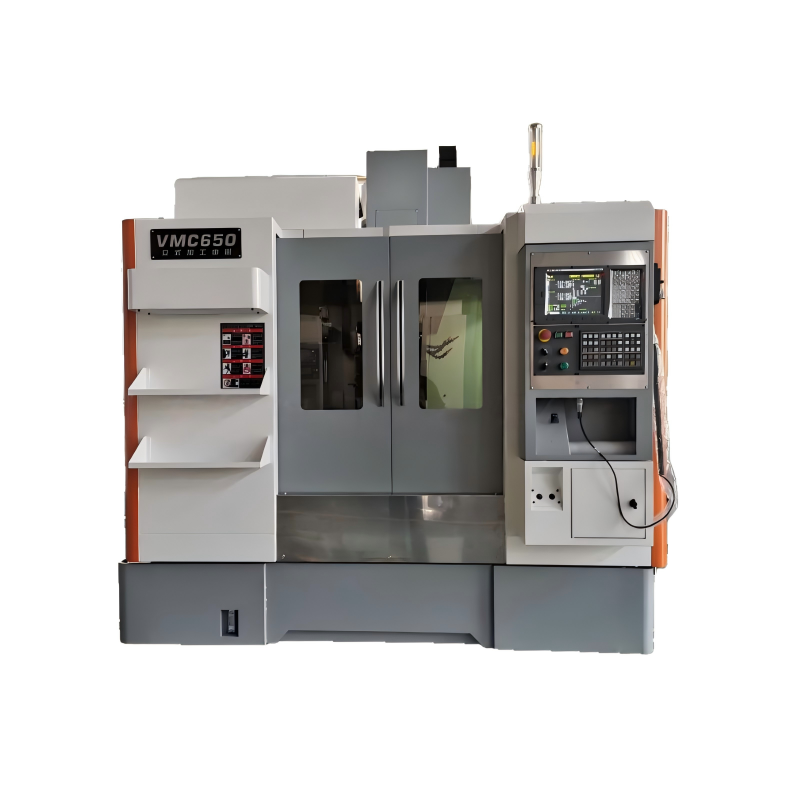
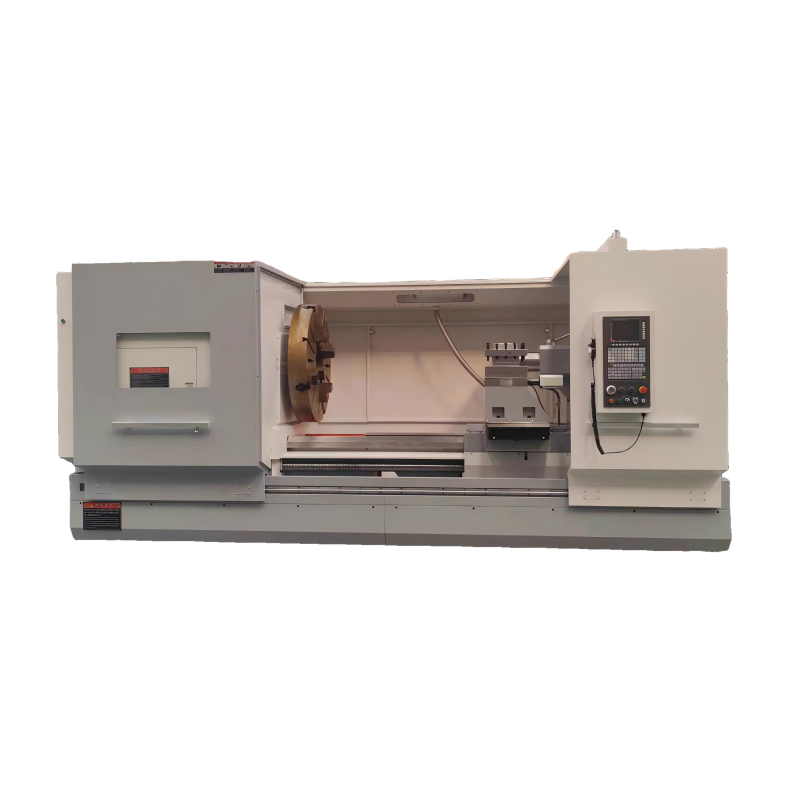
The evolution of machining technology has brought about significant advancements in precision and efficiency, with one notable development being the Horizontal CNC Lathe. This machine represents a pinnacle in modern manufacturing, designed to deliver unparalleled accuracy while streamlining the production process. Unlike its vertical counterpart, the Horizontal CNC Lathe is characterized by its orientation, which plays a crucial role in how materials are processed. The spindle, which holds the workpiece, is positioned horizontally, allowing for greater stability and more uniform cutting forces, especially when dealing with longer or heavier components. This setup not only enhances the overall performance but also contributes to extended tool life, making it an invaluable asset in industries that demand high-precision machining.
One of the most significant advantages of using a horizontal CNC lathe lies in its superior material handling capabilities and enhanced stability during operation. The horizontal configuration allows for the use of gravity to assist in the secure clamping of the workpiece, reducing the likelihood of slippage or misalignment. This is particularly beneficial when working with large, heavy, or irregularly shaped parts, as it ensures consistent and accurate cuts throughout the machining process. Moreover, the design of the horizontal CNC lathe facilitates easier loading and unloading of materials, thereby increasing productivity and minimizing downtime. The ability to handle a wide range of materials, from metals to plastics, further underscores the versatility and adaptability of this machine, making it a preferred choice for manufacturers across various sectors.
Precision and accuracy are paramount in the world of machining, and the horizontal CNC lathe excels in these areas. The machine's advanced computer numerical control (CNC) system allows for precise and repeatable operations, ensuring that each part is machined to exact specifications. The horizontal orientation of the spindle and the robust construction of the machine contribute to reduced vibration and deflection, which are common issues in less stable setups. This results in finer surface finishes and tighter tolerances, essential for applications where even the slightest deviation can have significant consequences. Additionally, the integration of advanced software and sensors enables real-time monitoring and adjustments, further enhancing the machine's ability to produce high-quality, consistent parts. The combination of these features makes the horizontal CNC lathe an indispensable tool for achieving the highest levels of precision and accuracy in machining.
In addition to its precision and stability, the horizontal CNC lathe offers substantial benefits in terms of productivity and efficiency. The machine's ability to perform multiple operations in a single setup, such as turning, facing, drilling, and threading, significantly reduces the need for retooling and repositioning, thereby saving time and resources. The automation provided by the CNC system allows for continuous, unattended operation, enabling manufacturers to run production lines 24/7 without compromising on quality. Furthermore, the horizontal CNC lathe often comes equipped with features like automatic tool changers and coolant systems, which further streamline the machining process and reduce cycle times. These enhancements not only boost overall productivity but also lower operational costs, making the horizontal CNC lathe a cost-effective solution for high-volume production environments.
The horizontal CNC lathe stands out for its flexibility and versatility, capable of handling a wide array of machining tasks with ease. Its modular design and the availability of various tooling options allow for quick and easy customization, enabling operators to adapt the machine to meet specific project requirements. Whether it's producing simple cylindrical parts or complex, multi-axis components, the horizontal CNC lathe can be configured to handle the job efficiently. The machine's ability to integrate with other manufacturing processes, such as milling and grinding, further expands its capabilities, making it a versatile tool for a wide range of applications. This flexibility not only enhances the machine's utility but also provides manufacturers with the agility needed to respond to changing market demands and technological advancements.
 25/06/2026
In the realm of modern manufacturing, the Horizontal CNC Lathe has emerged as a transformative technology, significantly enhancing productivity and precision. This report delves into the innovations that are shaping the future of manufacturing, focusing o
Read MoreOur professional sales team is always ready to assist you.