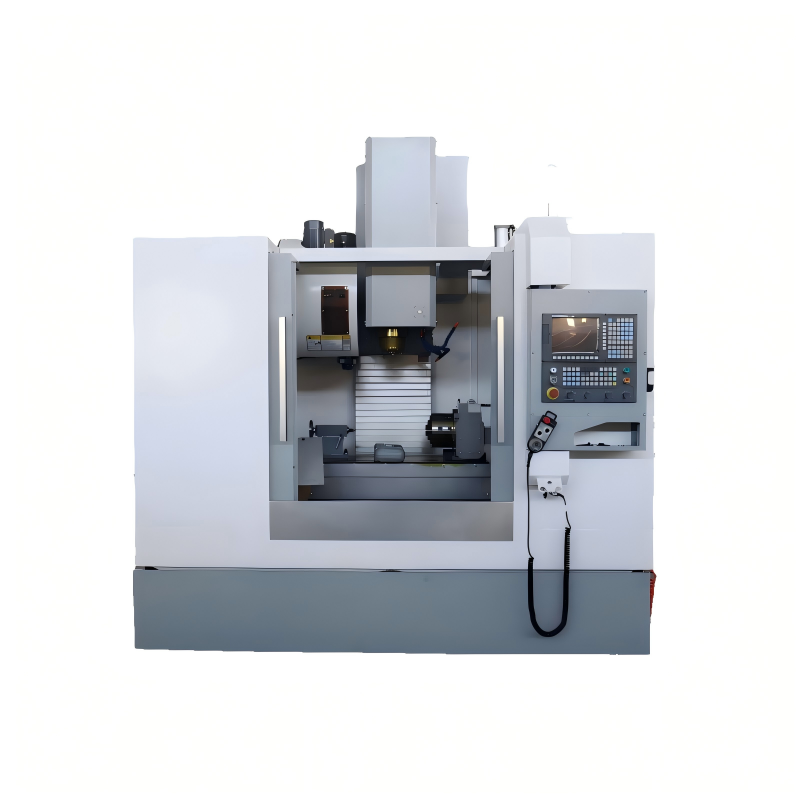
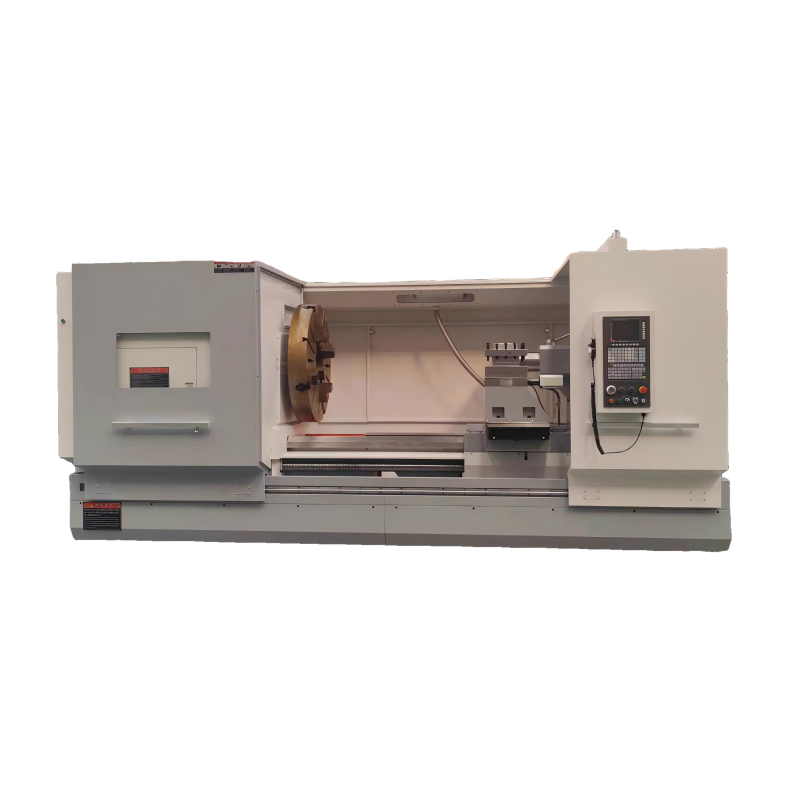
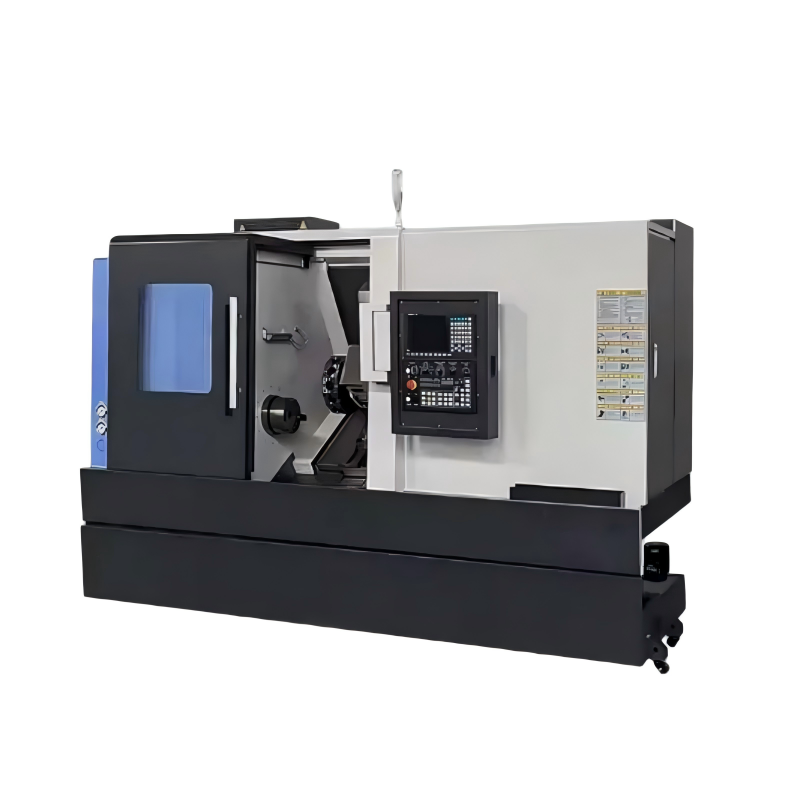
The development of CNC (Computer Numerical Control) turning machines has marked a significant advancement in the manufacturing sector. Since their inception, these machines have undergone numerous improvements, transforming from basic mechanical devices into highly sophisticated and automated systems. Initially, the control of such machines was manual, requiring skilled operators to make precise adjustments. However, with the advent of computer technology, CNC Turning Machines have become capable of performing complex operations with unparalleled precision and efficiency. This evolution not only increases productivity but also enhances the quality of the final product, making it an indispensable tool for modern manufacturers.
Modern CNC turning machines are equipped with advanced features that significantly enhance their performance and versatility. One notable feature is the incorporation of multi-axis capabilities, allowing for the simultaneous machining of multiple surfaces at once. This reduces the need for repositioning the workpiece, thereby decreasing production time and increasing accuracy. Additionally, today's CNC turning machines often include high-speed spindles and rapid traverse rates, which further contribute to faster cycle times and improved surface finish. Furthermore, the integration of smart technologies, such as machine learning algorithms and predictive maintenance systems, enables real-time monitoring and optimization of the machining process, reducing downtime and enhancing overall operational efficiency. These advancements position CNC turning machines as key players in the future of manufacturing, capable of meeting the demands of increasingly complex and diverse production requirements.
As the world becomes more environmentally conscious, the sustainability of manufacturing processes has become a critical consideration. CNC turning machines play a vital role in promoting sustainable practices within the industry. By optimizing material usage through precise cutting paths and minimizing waste, these machines help reduce the environmental footprint of manufacturing operations. Moreover, the use of energy-efficient motors and power management systems in modern CNC turning machines contributes to lower energy consumption, thereby reducing greenhouse gas emissions. Additionally, the adoption of recyclable materials and the implementation of closed-loop recycling systems can further minimize waste and promote a circular economy. As manufacturers continue to seek ways to operate more sustainably, the advancements in CNC turning technology will be instrumental in achieving these goals, ensuring that the future of manufacturing is both efficient and environmentally responsible.
 25/06/2026
The advent of CNC Turning Machine technology has revolutionized the manufacturing industry, offering unparalleled precision and efficiency in machining processes. This guide aims to provide a comprehensive overview of CNC turning machines, exploring their
Read MoreOur professional sales team is always ready to assist you.