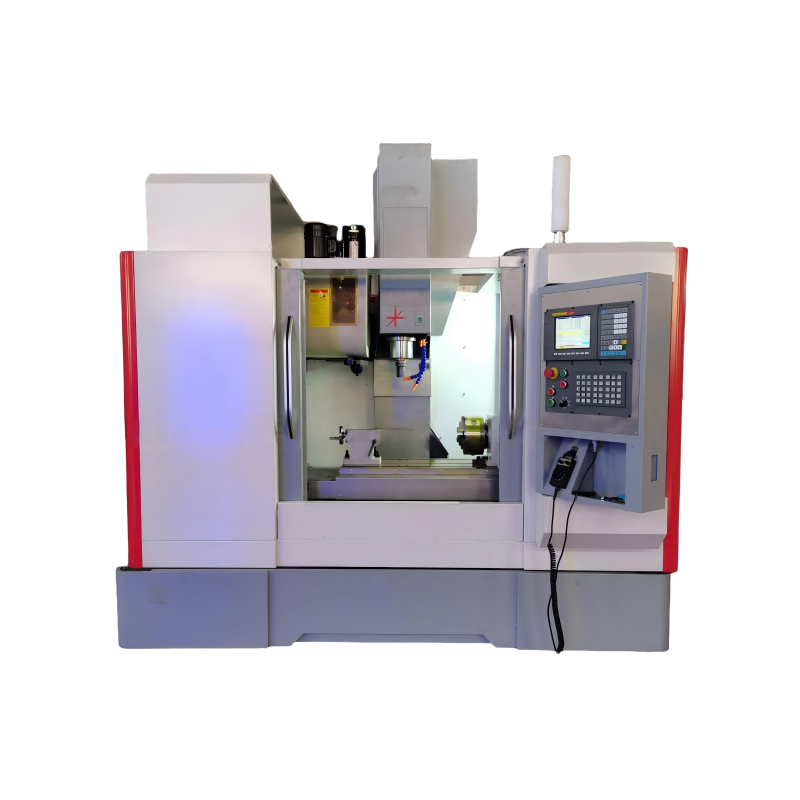
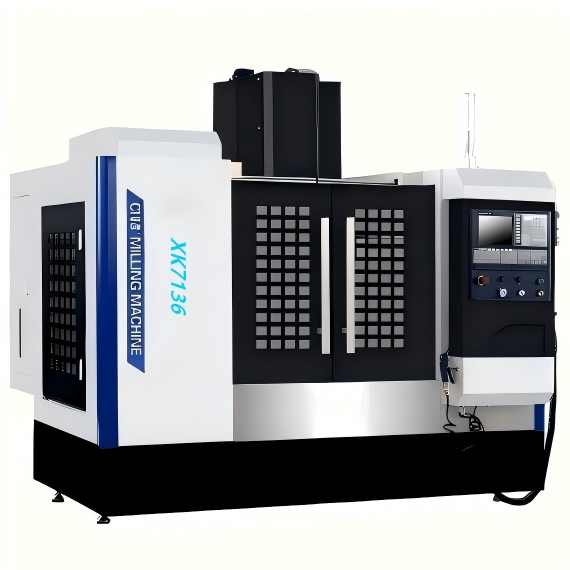
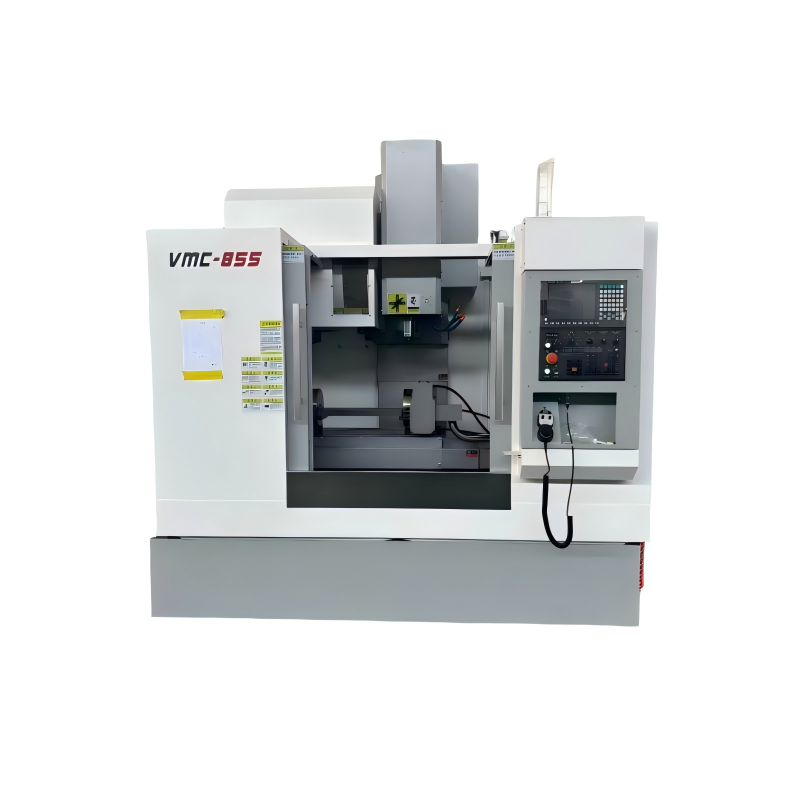
High Speed VMC, or Vertical Machining Center, technology has emerged as a transformative force in the manufacturing and production industries. This advanced machining solution is characterized by its exceptional speed, precision, and versatility, making it a critical tool for modern industrial processes. In this report, we will explore how high speed VMC technology is reshaping industries, focusing on its impact on productivity, quality, and innovation.
Enhanced Productivity through High Speed VMC
The primary advantage of high speed VMC technology is its ability to significantly enhance productivity. Traditional machining methods often involve long setup times and slow cutting speeds, which can be a bottleneck in high-volume production environments. High speed VMCs, on the other hand, are designed to minimize these inefficiencies. With their rapid spindle speeds and fast tool changes, they can process materials at a much faster rate. This not only reduces the overall production time but also allows manufacturers to meet tight deadlines and increase output without compromising on quality.
Moreover, high speed VMCs are equipped with advanced automation features, such as automatic tool changers and pallet changers, which further streamline the production process. These features enable continuous operation with minimal human intervention, leading to higher machine utilization and reduced labor costs. The result is a more efficient and cost-effective manufacturing process that can handle large volumes of work with ease.
Improved Quality and Precision
Another key benefit of high speed VMC technology is its ability to deliver superior quality and precision. The high-speed spindles and advanced control systems of these machines ensure that even the most intricate and complex parts can be machined with high accuracy. This is particularly important in industries where precision is paramount, such as aerospace, medical devices, and electronics.
High speed VMCs also incorporate advanced cooling and lubrication systems, which help to maintain optimal operating conditions and extend the life of the cutting tools. This not only improves the surface finish of the machined parts but also reduces the likelihood of thermal deformation, ensuring consistent quality across all production runs. Additionally, the use of high-precision linear guides and ball screws in these machines minimizes vibrations and ensures smooth, accurate movement, further enhancing the overall quality of the finished products.
Innovation and Flexibility in Manufacturing
High speed VMC technology is not only about speed and precision; it also fosters innovation and flexibility in manufacturing. These machines are highly versatile and can be configured to perform a wide range of operations, from milling and drilling to tapping and boring. This versatility makes them ideal for both small-batch and high-volume production, allowing manufacturers to adapt quickly to changing market demands and customer requirements.
Furthermore, high speed VMCs are often integrated with advanced software solutions, such as computer-aided design (CAD) and computer-aided manufacturing (CAM) systems. This integration enables seamless data transfer and real-time monitoring, allowing for better control over the entire production process. Manufacturers can easily program and simulate machining operations, optimize tool paths, and make adjustments on the fly, leading to more innovative and efficient manufacturing processes.
Additionally, the use of high speed VMCs in research and development (R&D) environments is becoming increasingly common. These machines allow engineers and designers to quickly prototype and test new designs, accelerating the product development cycle. This, in turn, drives innovation and helps companies stay competitive in a rapidly evolving market.
In conclusion, high speed VMC technology is reshaping industries by enhancing productivity, improving quality and precision, and fostering innovation and flexibility. As these machines continue to evolve, they will play an even more significant role in the future of manufacturing, enabling companies to meet the challenges of a dynamic and competitive global market.

 25/06/2026



