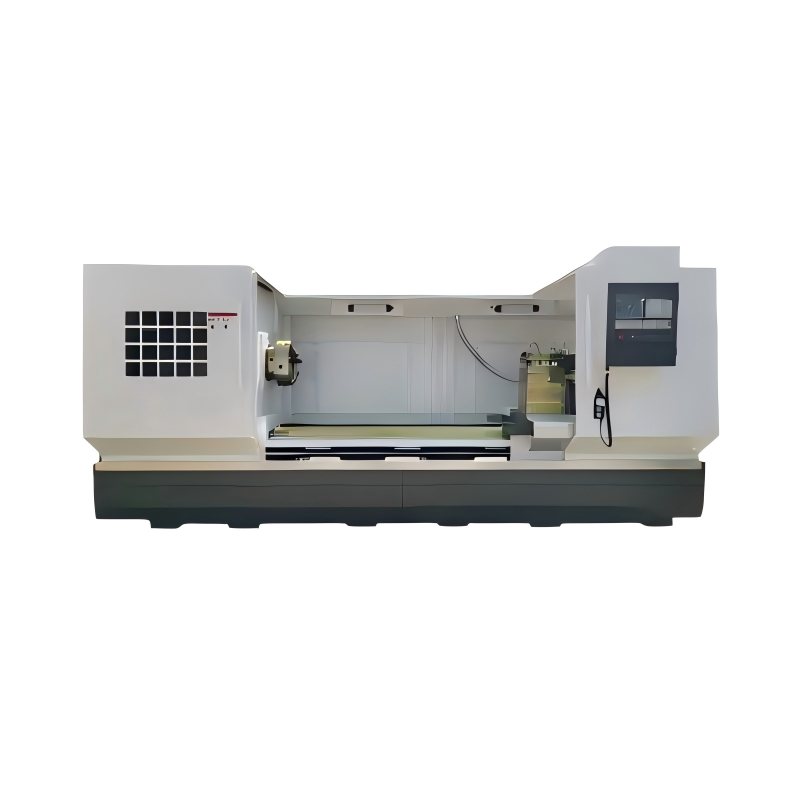
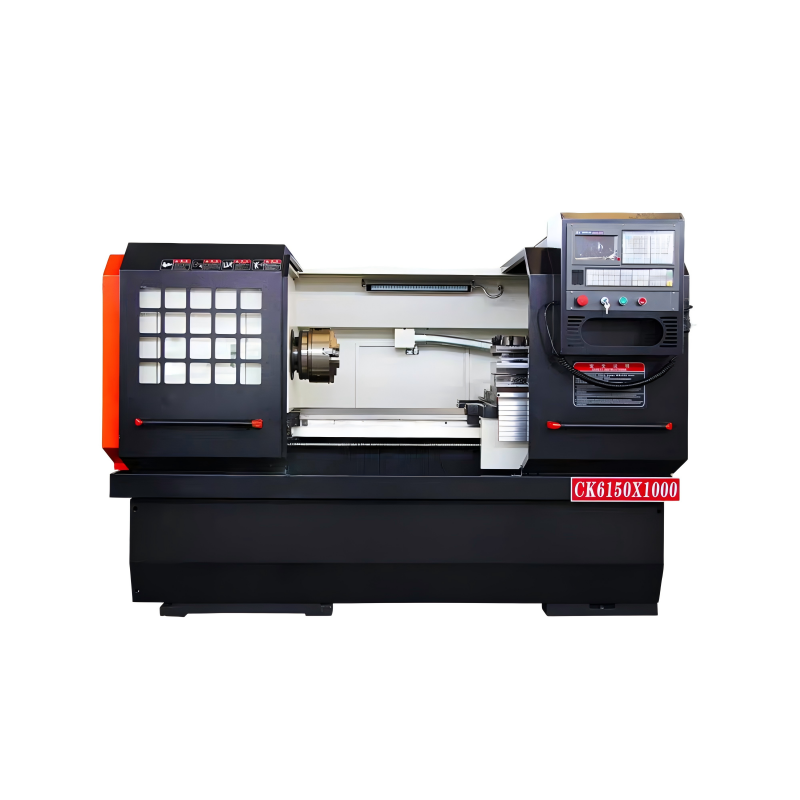
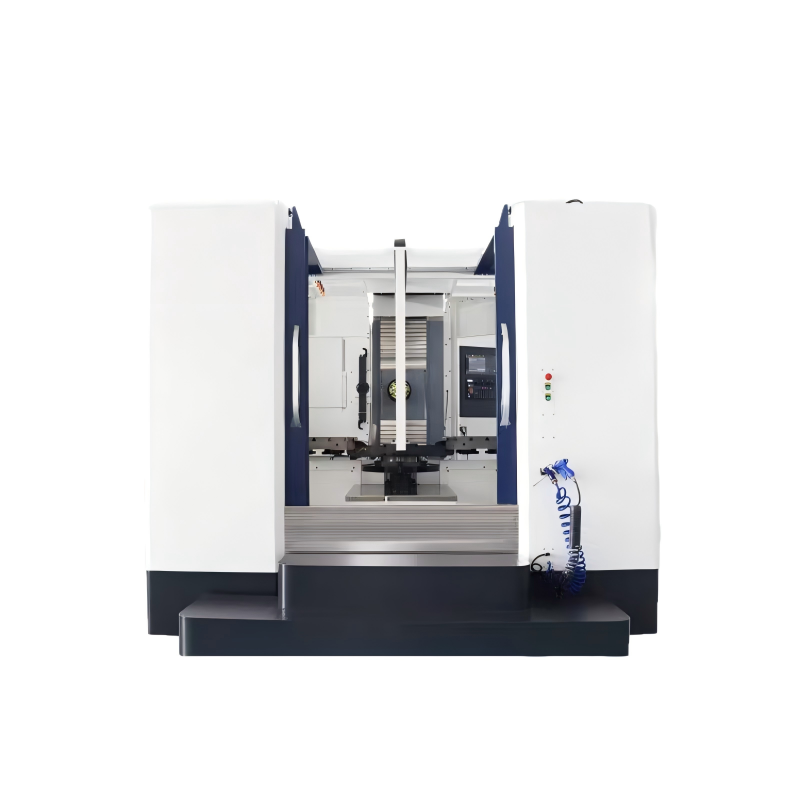
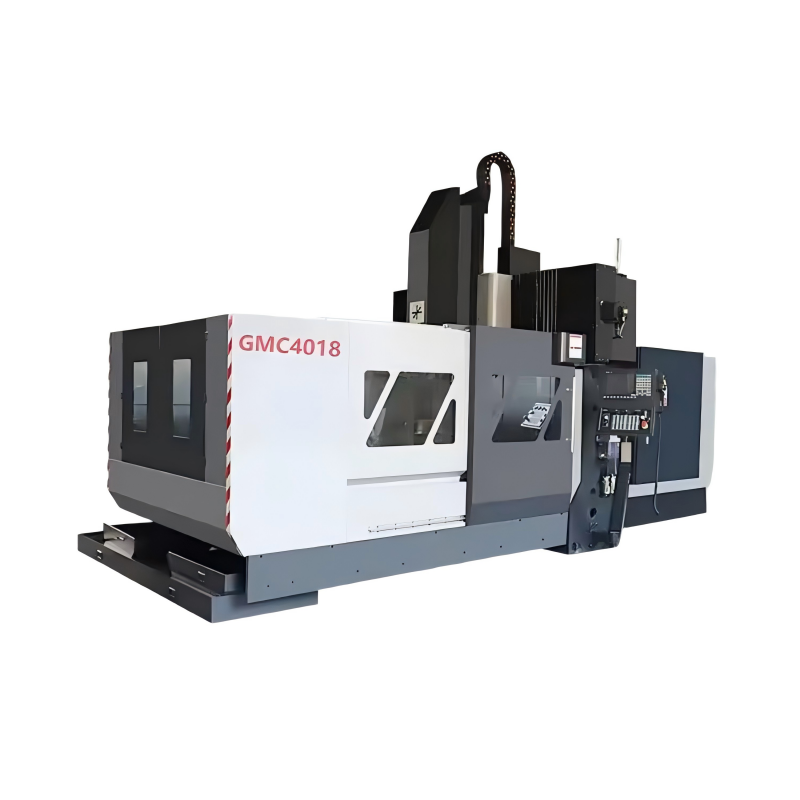
As the global manufacturing industry continues to evolve, the demand for high-quality and cost-effective CNC machine tools is on the rise. China has emerged as a leading exporter of CNC machines, offering a wide range of products that cater to various industrial needs. However, choosing the right Chinese supplier for your CNC machine needs can be a challenging task. This report aims to provide a comprehensive guide to help you make an informed decision.
The Chinese CNC machine tool market is vast and diverse, with numerous manufacturers and suppliers. The country's rapid industrialization and technological advancements have led to the development of a robust manufacturing sector. When considering a CNC machine tool export from China, it is essential to understand the market dynamics, including the types of machines available, the quality standards, and the regulatory environment. This knowledge will help you identify potential suppliers who meet your specific requirements.
Key factors to consider include:
One of the most critical aspects of selecting a Chinese supplier for your CNC machine needs is evaluating their capabilities and reliability. A reliable supplier should have a proven track record of delivering high-quality products on time. You can assess this by reviewing their past projects, customer testimonials, and case studies. Additionally, visiting the supplier’s manufacturing facility can provide valuable insights into their production processes, quality control measures, and overall operational efficiency.
Some key indicators of a reliable supplier include:
Before finalizing a supplier, it is crucial to conduct thorough due diligence and risk assessment. This process involves verifying the supplier’s credentials, financial stability, and legal compliance. You can use third-party verification services or consult with industry experts to gather the necessary information. Additionally, assessing the geopolitical and economic risks associated with sourcing from China is important, as these factors can impact the supply chain and delivery timelines.
Steps to conduct due diligence include:
Once you have identified a suitable supplier, the next step is to negotiate the terms and conditions of the contract. This includes pricing, payment terms, delivery schedules, and warranty provisions. It is essential to clearly define all aspects of the agreement to avoid any misunderstandings or disputes later on. Engaging a legal expert who is familiar with international trade laws can be beneficial in ensuring that the contract is fair and legally binding.
Key considerations during negotiations include:
Quality and compliance are paramount when it comes to CNC machine tools. Ensure that the supplier adheres to international quality standards such as ISO 9001 and provides detailed documentation of their quality control processes. Additionally, verify that the machines meet the required safety and environmental regulations. Conducting pre-shipment inspections and testing can help ensure that the delivered products meet your specifications and expectations.
Measures to ensure quality and compliance include:
In conclusion, choosing the right Chinese supplier for your CNC machine needs requires a thorough understanding of the market, careful evaluation of supplier capabilities, and diligent risk assessment. By following the steps outlined in this report, you can make an informed decision and establish a successful partnership with a reliable supplier. Remember, the right supplier can significantly enhance your manufacturing capabilities and contribute to your long-term success in the competitive global market.
 17/06/2026
China has been a major player in the global manufacturing industry, with its CNC machine tool exports playing an increasingly important role. This report aims to explore the quality and innovation in Chinese CNC machine tool exports, providing insights in
Read More17/06/2026China has emerged as a leading player in the global CNC (Computer Numerical Control) machine tool market, with its manufacturers continuously innovating and exporting high-quality products to various countries. The rise of Chinese CNC technology on the in
Read More17/06/2026In recent years, the export of CNC machine tools from China has experienced significant growth, contributing to the global manufacturing landscape. This report delves into the success stories of Chinese CNC machine tool exports, highlighting key factors t
Read More17/06/2026Introduction to the Global CNC Machine Tool MarketThe global CNC machine tool market is a rapidly evolving sector, driven by advancements in technology and increasing demand for precision manufacturing. China, as one of the world's largest producers of CN
Read More17/06/2026In the global manufacturing landscape, China has emerged as a significant player, particularly in the production and export of high-precision CNC (Computer Numerical Control) machine tools. These advanced machines are essential for boosting productivity,
Read More17/06/2026Over the past decade, the landscape of international trade has witnessed a significant transformation, particularly in the machinery sector. One of the key drivers behind this change is the rapid rise of Chinese CNC (Computer Numerical Control) machine to
Read More17/06/2026The global manufacturing industry has seen a significant transformation over the past few decades, with advancements in technology and shifts in economic dynamics. One of the key areas that have witnessed remarkable growth is the export of CNC (Computer N
Read More16/06/2026China has become a major player in the global manufacturing sector, with its exports of CNC (Computer Numerical Control) machine tools growing significantly over the past decade. The country's robust supply chain, competitive pricing, and advancements in
Read More16/06/2026The export of CNC (Computer Numerical Control) machine tools from China has been on a steady rise over the past few decades, transforming the country into one of the world's leading exporters. This report delves into the complexities and potential opportu
Read More16/06/2026Over the past few decades, China has emerged as a global leader in the manufacturing sector, with a significant focus on advanced technologies such as Computer Numerical Control (CNC) machine tools. The export of CNC machine tools from China is not only a
Read More16/06/2026China, over the past few decades, has become a significant player in the global CNC machine tool market. With its vast manufacturing base and increasing technological capabilities, the country has not only met domestic demands but also emerged as a leadin
Read More16/06/2026When it comes to the global market, China stands out as one of the leading exporters of CNC (Computer Numerical Control) machine tools. This comprehensive guide aims to provide an in-depth understanding of how to choose the best CNC machine tools for expo
Read More16/06/2026As global trade continues to evolve, the import of CNC machine tool export from China has become a significant aspect for many manufacturing companies. The complexity of this process, however, can be daunting for those unfamiliar with the intricacies invo
Read More16/06/2026China has become a global leader in the production and export of CNC (Computer Numerical Control) machine tools, which are essential for various manufacturing processes. As the demand for high-precision machinery continues to grow, Chinese manufacturers h
Read More16/06/2026Understanding the Global Demand for CNC Machine ToolsThe global market for Computer Numerical Control (CNC) machine tools has been expanding steadily, driven by the increasing demand from various sectors such as automotive, aerospace, and electronics. As
Read More15/06/2026Over the past decade, China has emerged as a global leader in the production and export of CNC (Computer Numerical Control) machine tools. This rise is not only indicative of China's growing technological capabilities but also reflects its increasing infl
Read More15/06/2026IntroductionThe global demand for CNC (Computer Numerical Control) machine tools is on the rise, driven by the increasing need for precision and efficiency in manufacturing. As a leading exporter, China has become a pivotal player in this market, supplyin
Read More15/06/2026China has emerged as a global leader in the manufacturing and export of CNC (Computer Numerical Control) machine tools, playing an increasingly significant role in shaping the future of this industry. This report delves into the trends, challenges, and op
Read More15/06/2026China, as a global manufacturing powerhouse, has been playing an increasingly significant role in the export of CNC (Computer Numerical Control) machine tools. This report aims to provide a comprehensive overview of the current state and future prospects
Read More15/06/2026In the ever-evolving landscape of global manufacturing, the rise of CNC (Computer Numerical Control) machine tools from China has been a significant trend. This report delves into the reasons behind the dominance of Chinese CNC machines in the internation
Read More15/06/2026The export of CNC machine tools from China has witnessed a remarkable increase in 2023, reflecting the country's growing influence in the global manufacturing sector. This report delves into the key factors driving this growth, examines the current market
Read More15/06/2026China has emerged as a global leader in the manufacturing and export of CNC (Computer Numerical Control) machine tools, offering a wide range of products that cater to diverse industrial needs. The advantages of sourcing CNC machines from Chinese manufact
Read More15/06/2026China, being one of the largest producers and exporters of CNC machine tools, plays a pivotal role in supplying these high-precision machines to various industries across the globe. For international buyers, understanding the nuances of importing CNC mach
Read MoreOur professional sales team is always ready to assist you.