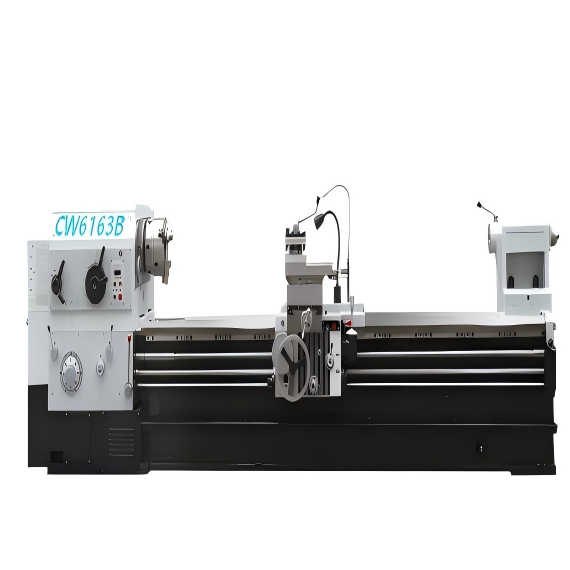
When it comes to equipping your workshop with the right tools, a Flat Bed Lathe is an indispensable piece of machinery. This versatile tool is used for shaping and cutting various materials, such as metals, plastics, and wood, into precise cylindrical or conical shapes. However, choosing the right Flat Bed Lathe can be a daunting task, given the wide array of options available in the market. In this guide, we will explore the key factors to consider when selecting a Flat Bed Lathe that best suits your workshop's needs.
Evaluating Your Workshop’s Needs
The first step in choosing the right Flat Bed Lathe is to assess the specific requirements of your workshop. Consider the types of projects you typically undertake, the materials you work with, and the level of precision required. For instance, if your workshop primarily handles small, intricate parts, a smaller, more precise lathe may be more suitable. Conversely, if you deal with larger, heavier materials, a robust, heavy-duty Flat Bed Lathe would be more appropriate.
Additionally, evaluate the space available in your workshop. A Flat Bed Lathe requires a stable, flat surface and sufficient clearance around it for safe operation. Ensure that the lathe you choose fits comfortably within your workspace without compromising on safety or accessibility.
Understanding the Key Features and Specifications
Flat Bed Lathes come with a variety of features and specifications that can significantly impact their performance and usability. Here are some key aspects to consider:
- Swing Over Bed and Cross Slide: The swing over bed refers to the maximum diameter of the workpiece that can be turned. The cross slide, on the other hand, determines the maximum width of the workpiece. Ensure that these dimensions align with the size of the materials you plan to work with.
- Spindle Speed and Power: The spindle speed and power are crucial for determining the lathe's efficiency and the quality of the finish. Higher speeds are generally better for finer, more detailed work, while lower speeds are suitable for heavier, more robust operations.
- Tool Post and Tool Holders: The type and number of tool posts and holders can affect the versatility and ease of use of the lathe. A quick-change tool post system can save time and improve productivity, especially for complex projects.
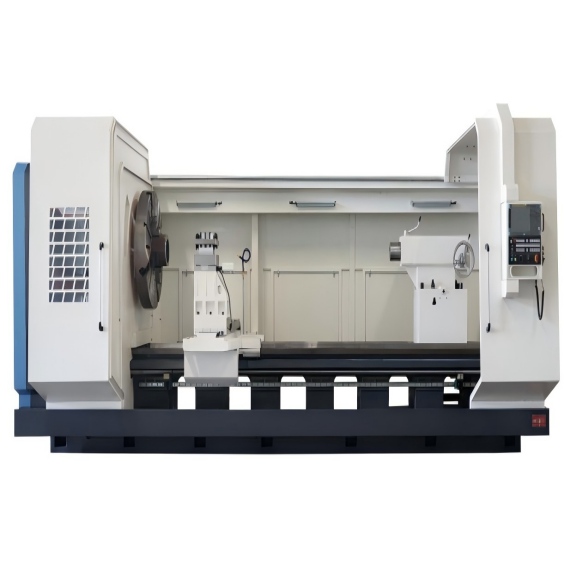
- Control System: Modern Flat Bed Lathes often come with advanced control systems, such as CNC (Computer Numerical Control). While these systems offer greater precision and automation, they also require a higher level of skill and investment. Evaluate whether a manual or CNC Lathe is more suitable for your workshop.
By understanding these key features, you can make an informed decision that aligns with your workshop's specific needs and capabilities.
Assessing the Build Quality and Durability
The build quality and durability of a Flat Bed Lathe are critical factors to consider, as they directly impact the machine's longevity and reliability. A well-constructed lathe should be made from high-quality, durable materials, such as cast iron or steel, which provide stability and reduce vibration during operation.
Inspect the lathe for any signs of poor craftsmanship, such as loose fittings, uneven surfaces, or subpar welding. Additionally, check the manufacturer's reputation and warranty offerings. A reputable manufacturer with a solid track record and a comprehensive warranty can provide peace of mind and ensure that you receive a reliable, long-lasting machine.
Consider the availability of spare parts and the ease of maintenance. A lathe that is easy to service and has readily available replacement parts can save you time and money in the long run.
Considering the Cost and Budget
While it is tempting to opt for the most advanced and feature-rich Flat Bed Lathe, it is essential to consider your budget and the overall cost of ownership. The initial purchase price is just one aspect; you should also factor in the costs of installation, maintenance, and potential repairs.
Set a realistic budget and prioritize the features that are most important for your workshop. It may be more cost-effective to invest in a mid-range lathe with the necessary features rather than a top-of-the-line model with additional, less critical functions.
Additionally, consider the return on investment (ROI) of the lathe. A well-chosen Flat Bed Lathe can enhance your workshop's productivity and efficiency, ultimately leading to increased profitability. By carefully balancing your budget with your operational needs, you can select a lathe that provides the best value for your investment.
Conclusion
Choosing the right Flat Bed Lathe for your workshop is a significant decision that requires careful consideration of your specific needs, the lathe's features and specifications, build quality, and budget. By evaluating these factors, you can select a lathe that not only meets your current requirements but also supports the growth and success of your workshop in the long term.
Remember, the right Flat Bed Lathe is an investment in your workshop's future. Take the time to research, compare, and test different models to ensure that you make the best possible choice.
 23/06/2026



