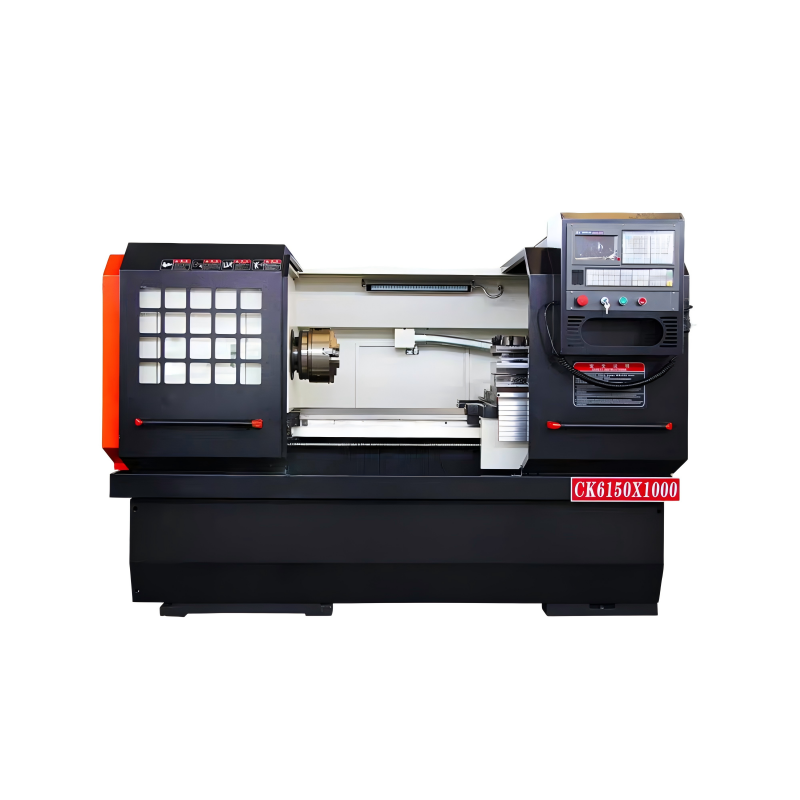
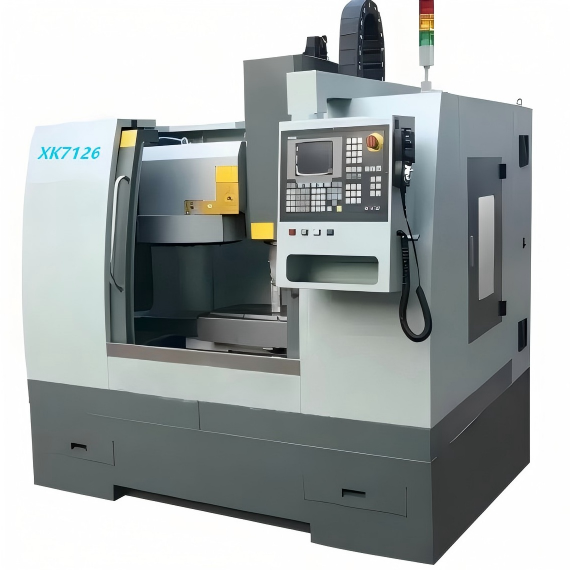
The lathe is one of the most versatile and fundamental tools in machining, used for shaping metal, wood, or other materials. Among the various types of lathes, the flat bed lathe stands out due to its simplicity and effectiveness in a wide range of applications. This technical report aims to provide an in-depth understanding of the basics of Flat Bed Lathe operation, focusing on its components, operational principles, and practical considerations.
A flat bed lathe, also known as an engine lathe, is characterized by its horizontal orientation and a flat, solid bed that supports the spindle and the carriage. The bed is typically made from cast iron or steel, providing a stable and rigid foundation for the entire machine. Key components include:
Understanding these components is crucial for effective operation and maintenance of the flat bed lathe. Each part plays a specific role, and their proper functioning is essential for achieving high-quality results.
The operational principles of a flat bed lathe are based on the relative motion between the rotating workpiece and the stationary cutting tool. The following techniques are commonly used in flat bed lathe operations:
Each of these techniques requires a different setup and adjustment of the lathe, and operators must be proficient in these skills to achieve the desired outcomes. Proper training and experience are essential for mastering these techniques and ensuring the safety and efficiency of the operation.
Maintaining a flat bed lathe is critical for ensuring its longevity and performance. Regular maintenance includes cleaning, lubrication, and inspection of all moving parts. Some key maintenance tasks include:
Safety is another critical aspect of operating a flat bed lathe. Operators should always follow the manufacturer’s guidelines and adhere to standard safety practices, such as wearing appropriate personal protective equipment (PPE), securing the workpiece, and maintaining a safe working environment. Additionally, regular training and awareness of potential hazards are essential for preventing accidents and injuries.
In conclusion, the Flat Bed Lathe is a versatile and essential tool in the field of machining. Understanding its components, operational principles, and maintenance requirements is crucial for efficient and safe operation. By mastering the techniques and adhering to best practices, operators can achieve high-quality results and extend the lifespan of the machine.
 23/06/2026
When it comes to equipping your workshop with the right tools, a Flat Bed Lathe is an indispensable piece of machinery. This versatile tool is used for shaping and cutting various materials, such as metals, plastics, and wood, into precise cylindrical or
Read More23/06/2026In the world of manufacturing, efficiency is key to staying competitive. One tool that has proven its worth in enhancing productivity is the flat bed lathe. This versatile machine is used across various industries for turning, facing, and threading operat
Read More23/06/2026The evolution of manufacturing processes has seen a significant shift towards automation and precision, with the flat bed lathe playing an integral role in this transformation. This versatile machine, often considered one of the cornerstones of modern mac
Read MoreOur professional sales team is always ready to assist you.