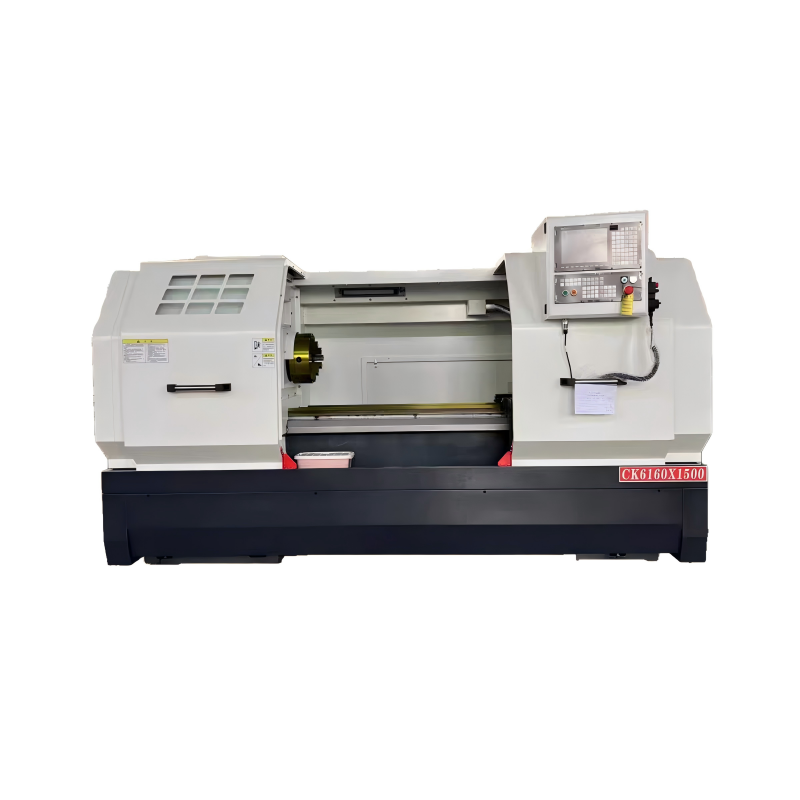
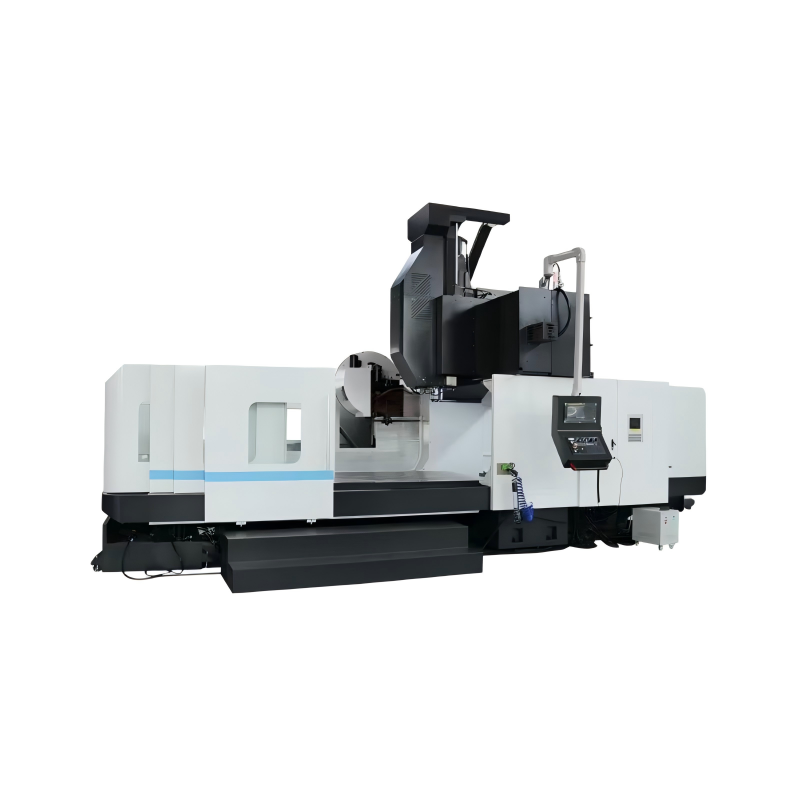
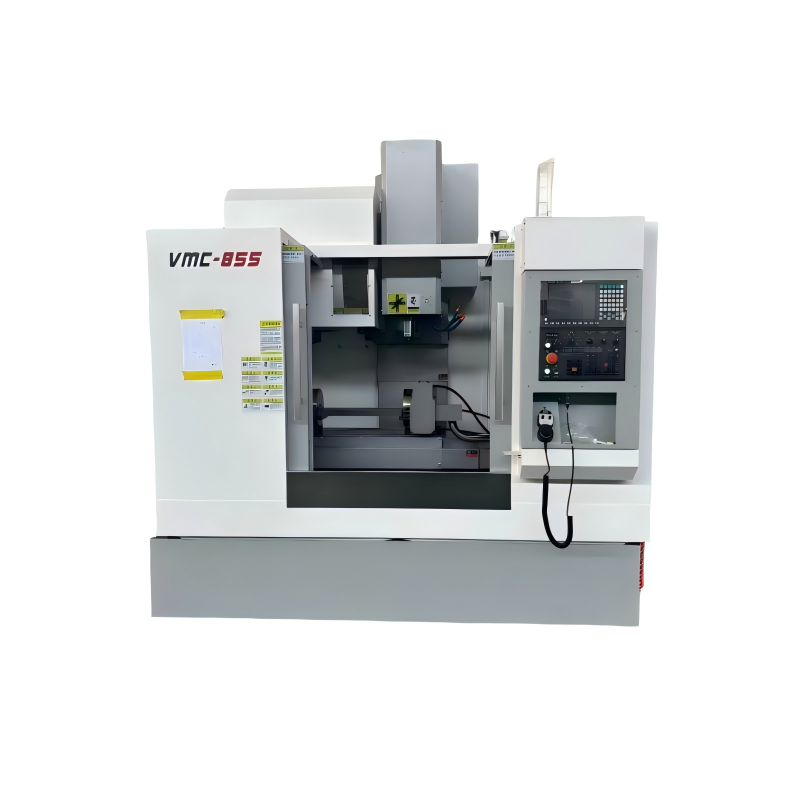
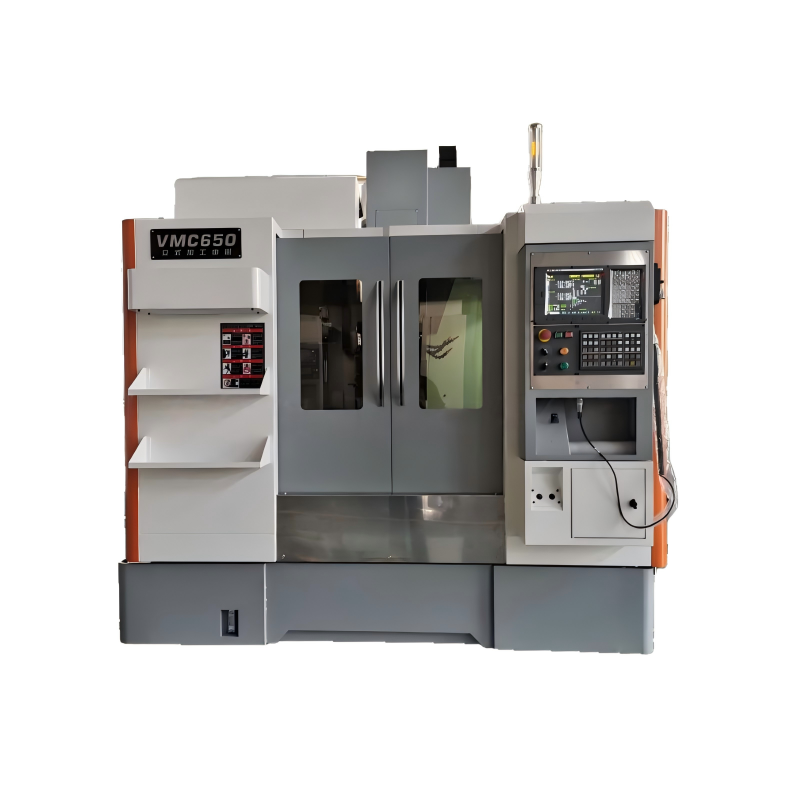
When it comes to precision engineering and manufacturing, the choice of a Floor type horizontal Machining Center is critical. This type of machine tool plays an essential role in the production process, offering versatility, accuracy, and efficiency. However, with numerous options available on the market, selecting the right floor type Horizontal Machining Center can be a daunting task. In this technical report, we will explore key factors to consider when making this important decision.
The first and foremost step in choosing a Floor type horizontal machining center is to thoroughly understand the specific application requirements. This involves evaluating the types of materials that will be processed, the complexity of the parts, and the desired level of precision. For instance, if the primary material is a high-strength alloy, the machine must be capable of handling the rigidity and cutting forces required. Additionally, the number of axes and the range of motion are crucial for complex part geometries. By aligning the machine's capabilities with the application needs, you can ensure optimal performance and productivity.
Once the application requirements are clear, the next step is to evaluate the specifications and features of the floor type horizontal machining center. Key aspects to consider include:
By carefully assessing these specifications, you can select a machine that not only meets your current needs but also provides room for future growth and expansion.
Reliability is a critical factor in any manufacturing environment, as downtime can lead to significant losses. When choosing a floor type horizontal machining center, it is essential to consider the reliability and maintenance requirements of the machine. Look for machines from reputable manufacturers with a proven track record of durability and minimal downtime. Additionally, consider the availability of spare parts and the quality of after-sales support. A robust maintenance plan, including regular servicing and preventive maintenance, can help ensure the machine operates at peak performance and minimizes unexpected breakdowns.
In today’s competitive manufacturing landscape, automation and integration are becoming increasingly important. A floor type horizontal machining center that can be easily integrated into existing production lines and automated systems can provide significant advantages. Consider the following aspects:
By considering these automation and integration capabilities, you can enhance the overall efficiency and productivity of your manufacturing operations.
Selecting the right floor type horizontal machining center is a multifaceted decision that requires careful consideration of several factors. By understanding the application requirements, evaluating machine specifications and features, assessing reliability and maintenance, and considering automation and integration capabilities, you can make an informed choice that will meet your current and future needs. Investing in the right machine can significantly impact the quality, efficiency, and profitability of your manufacturing operations.
 17/06/2026
In the ever-evolving landscape of industrial manufacturing, the adoption of advanced technologies plays a crucial role in enhancing productivity, precision, and efficiency. One such technology that has gained significant traction is the floor type horizon
Read More17/06/2026Integrating a floor type horizontal machining center into your production line can significantly enhance operational efficiency, product quality, and overall manufacturing capabilities. These machines are designed to handle complex and large-scale parts w
Read More17/06/2026A floor type horizontal machining center is a critical piece of equipment in many manufacturing environments, capable of performing complex and precise machining operations. To ensure its optimal performance and longevity, it's essential to follow a rigor
Read More17/06/2026Choosing the right Floor type horizontal machining center is a critical decision for any manufacturing operation. This comprehensive guide aims to provide you with all the necessary information and considerations to make an informed choice, ensuring that
Read More17/06/2026Horizontal machining centers, especially those designed in a floor type configuration, have become indispensable tools within the heavy industries. These machines are not only capable of handling large workpieces but also offer unparalleled precision and
Read More17/06/2026Understanding the Floor Type Horizontal Machining CenterA Floor type horizontal machining center is a critical piece of equipment in modern manufacturing, designed to perform a wide range of operations with high precision and efficiency. These machines ar
Read More17/06/2026In the evolving landscape of manufacturing, the floor type horizontal machining center stands out as a pivotal piece of equipment. This advanced technology is not just an improvement over its predecessors; it represents a leap forward in precision, effici
Read More17/06/2026In the ever-evolving landscape of manufacturing, the introduction and continuous improvement of floor type horizontal machining centers have marked a significant turning point. These advanced machines are not just tools; they represent a paradigm shift in
Read More17/06/2026Floor type horizontal machining centers are a cornerstone of modern manufacturing, providing the precision and flexibility required for a wide range of applications. This report explores the efficiency of these machines, delving into their design, operati
Read More17/06/2026In the rapidly evolving landscape of manufacturing, floor type horizontal machining centers (FHMCs) have established themselves as indispensable tools for precision and efficiency. The year 2023 brings a wave of innovations that are set to redefine the ca
Read More17/06/2026Enhancing Production Efficiency with a Floor Type Horizontal Machining CenterThe adoption of advanced manufacturing technologies is crucial for businesses aiming to stay competitive in today's fast-paced industrial landscape. A floor type horizontal machi
Read More17/06/2026In the contemporary industrial landscape, the floor type horizontal machining center has emerged as a pivotal piece of equipment, significantly enhancing the efficiency and precision of manufacturing processes. This report delves into the multifaceted rol
Read More17/06/2026The floor type horizontal machining center represents a significant advancement in the realm of industrial manufacturing, offering unparalleled precision and efficiency. This report delves into how these machines can enhance productivity, focusing on key
Read More17/06/2026IntroductionIn the domain of high-precision manufacturing, the floor type horizontal machining center has emerged as a critical tool for achieving unparalleled accuracy and efficiency. This article delves into the intricacies of this advanced machinery, e
Read MoreOur professional sales team is always ready to assist you.