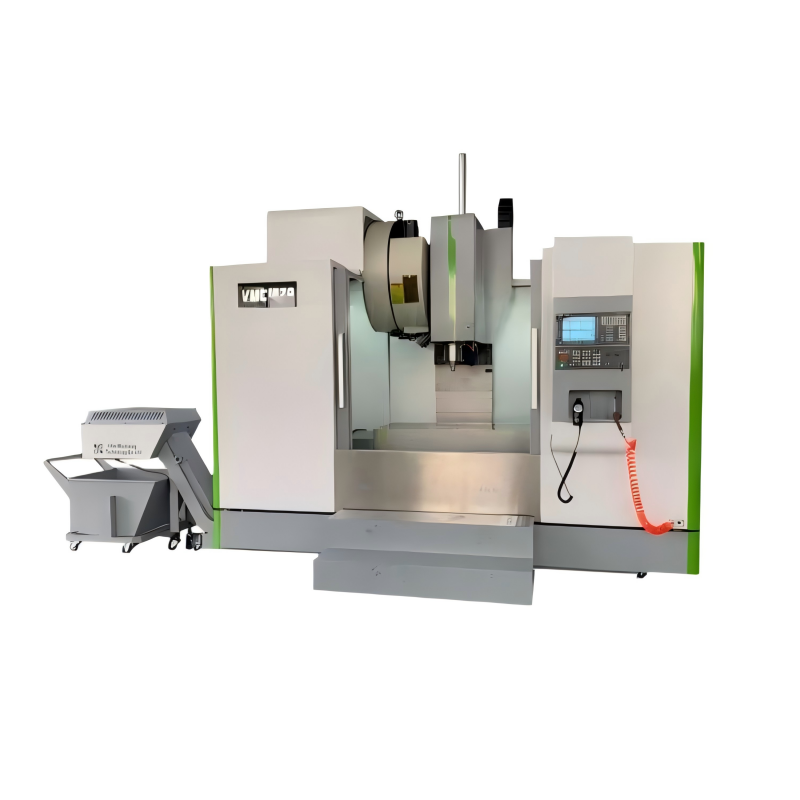
When it comes to selecting the right heavy duty CNC pipe threading lathe for your workshop, there are several critical factors that one must consider. This decision can significantly impact the efficiency, quality, and cost-effectiveness of your operations. In this technical report, we will explore key considerations and provide insights into making an informed choice.
The first step in choosing a heavy duty CNC pipe threading lathe is to thoroughly evaluate the specific requirements of your workshop. This includes understanding the types of materials you will be working with, the size and length of the pipes, and the desired thread specifications. For instance, if your workshop primarily deals with large-diameter pipes, you will need a lathe that can accommodate these dimensions. Additionally, consider the complexity of the threads you need to produce. Some lathes offer advanced threading capabilities, such as multi-start and taper threading, which may be essential for certain applications.
Another important factor is the production volume. High-volume operations require a lathe that can handle continuous, high-speed operation without compromising on accuracy and precision. Evaluate the machine's cycle time, tool change speed, and overall productivity to ensure it meets your throughput needs. It is also crucial to assess the machine's durability and reliability, as frequent breakdowns can lead to significant downtime and increased maintenance costs.
Once you have a clear understanding of your work requirements, the next step is to carefully assess the specifications and features of the available Heavy duty CNC pipe threading lathes. Key specifications to consider include the maximum turning diameter and length, spindle power, and feed rates. These parameters determine the range of workpieces the lathe can handle and its overall performance.
In addition to basic specifications, look for advanced features that can enhance the lathe's functionality and ease of use. For example, some lathes come with automatic tool changers, which can significantly reduce setup times and improve productivity. Other features to consider include programmable controls, touch-screen interfaces, and integrated software for CAD/CAM integration. These features can streamline the programming process and allow for more precise and consistent results.
Furthermore, pay attention to the lathe's rigidity and stability. A well-constructed machine with a robust frame and high-quality components will provide better vibration damping and thermal stability, leading to higher accuracy and longer tool life. Consider the manufacturer's reputation and the availability of spare parts and technical support, as these factors can greatly influence the long-term reliability and maintenance of the machine.
While the initial purchase price of a heavy duty CNC pipe threading lathe is a significant consideration, it is equally important to conduct a comprehensive cost-benefit analysis. The total cost of ownership (TCO) includes not only the purchase price but also ongoing expenses such as maintenance, energy consumption, and operator training. A machine that is initially more expensive but offers lower operating costs and higher productivity may ultimately be more cost-effective in the long run.
To perform a TCO analysis, start by estimating the annual operating hours and the associated energy costs. Consider the machine's power consumption and any energy-saving features it may have. Additionally, factor in the cost of consumables, such as cutting tools and lubricants, and the expected lifespan of these components. Regular maintenance and repair costs should also be included in the analysis, as they can vary significantly between different machines and manufacturers.
Finally, consider the potential return on investment (ROI) based on the increased productivity and efficiency that the new lathe can bring. Calculate the expected reduction in production time, scrap rate, and labor costs, and compare these benefits to the total cost of ownership. This will help you make a more informed decision and ensure that the chosen lathe aligns with your financial goals and operational needs.
Selecting the right heavy duty CNC pipe threading lathe for your workshop requires a thorough evaluation of your work requirements, a careful assessment of machine specifications and features, and a comprehensive cost-benefit analysis. By considering these factors, you can ensure that the chosen lathe meets your specific needs, enhances productivity, and provides a strong return on investment. Remember to consult with experienced professionals and conduct on-site demonstrations or trials, if possible, to make the most informed decision.
 16/06/2026
IntroductionIn the realm of industrial manufacturing, precision and efficiency are paramount. The advent of heavy duty CNC (Computer Numerical Control) pipe threading lathes has revolutionized the way pipes are processed, providing unparalleled accuracy,
Read More16/06/2026In the realm of industrial machinery, the heavy duty CNC pipe threading lathe stands out as a pinnacle of precision and efficiency. This advanced piece of equipment has revolutionized the way complex operations are handled in the manufacturing sector. By
Read More16/06/2026In the realm of industrial manufacturing, the role of precision machinery cannot be overstated. Among these, the heavy duty CNC pipe threading lathe stands out as a pinnacle of technological advancement, combining robustness with accuracy to deliver unpar
Read More16/06/2026The advancement in manufacturing technology has led to the development of highly efficient and versatile machinery, among which the heavy duty CNC pipe threading lathe stands out as a remarkable example. This type of machine is designed to handle large an
Read More16/06/2026The Evolution of Pipe Threading: From Manual to Automated SolutionsIn the world of industrial manufacturing, the process of threading pipes has undergone a significant transformation. Traditionally, this task was performed manually, which not only require
Read More16/06/2026In the ever-evolving landscape of industrial manufacturing, the integration of advanced machinery plays a pivotal role in enhancing efficiency, precision, and overall productivity. Among these, the Heavy duty CNC pipe threading lathe stands out as a revol
Read More16/06/2026In the realm of large-scale industrial projects, the demand for precision, efficiency, and reliability is paramount. One tool that stands out in meeting these requirements is the Heavy duty CNC pipe threading lathe. This advanced piece of machinery not on
Read More16/06/2026In today’s rapidly evolving manufacturing landscape, the integration of advanced technologies has become a cornerstone for enhancing productivity and maintaining a competitive edge. One such technology that stands out in the realm of pipe fabrication is t
Read More16/06/2026Heavy duty CNC pipe threading lathes are an essential part of modern manufacturing, especially in industries that require high precision and robust performance. These machines are designed to handle large and heavy pipes, ensuring that the threads produce
Read MoreOur professional sales team is always ready to assist you.