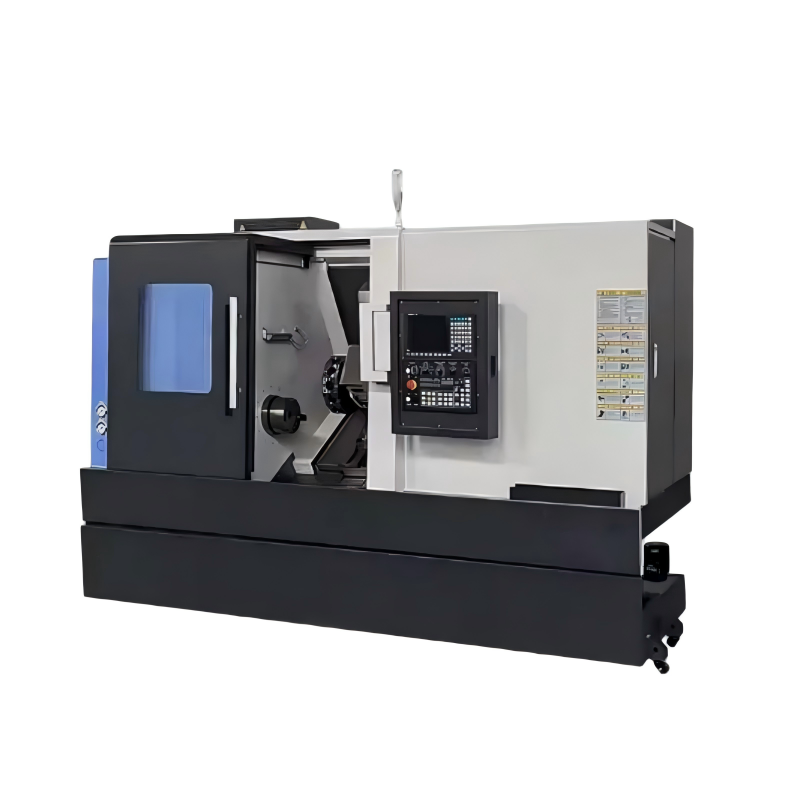
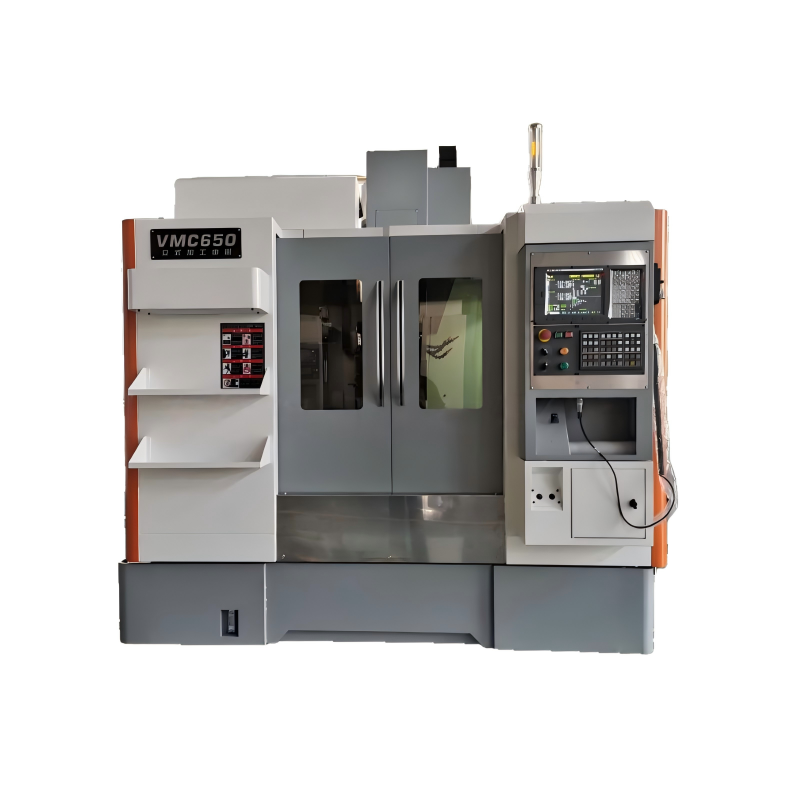
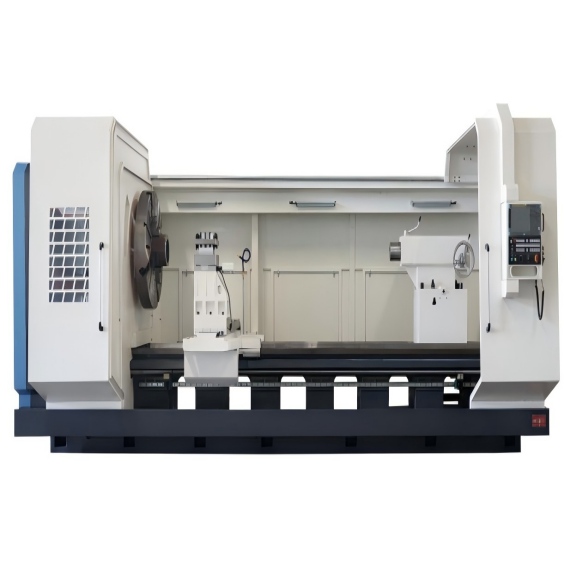
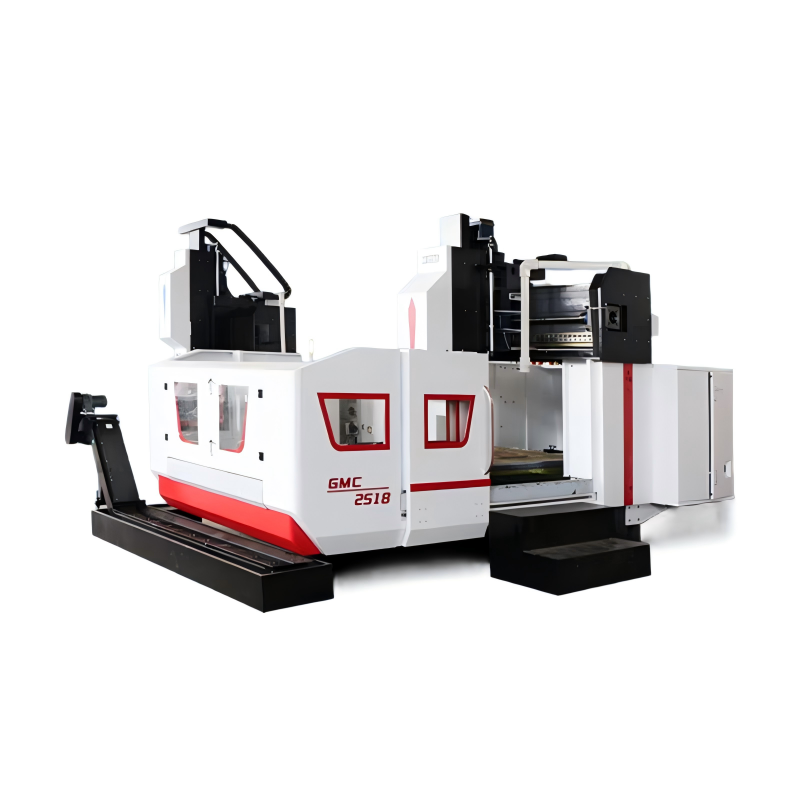
A precision metal lathe is an essential tool for any workshop that requires high-accuracy machining. Selecting the right one can be a daunting task, given the wide range of options available in the market. This technical report aims to guide you through the process of choosing the ideal Precision Metal Lathe for your specific needs, ensuring that your investment is both effective and efficient.
The first step in selecting the right precision metal lathe is to thoroughly understand the requirements of your workshop. Consider the types of materials you will be working with, the complexity of the parts, and the volume of production. For instance, if you are primarily working with soft metals like aluminum or brass, a less powerful motor may suffice. However, if you are dealing with harder materials such as steel or titanium, a more robust and powerful machine will be necessary.
Additionally, evaluate the size of the parts you will be machining. The swing and bed length of the lathe must be sufficient to accommodate the largest workpieces you plan to handle. A lathe with a larger swing and longer bed will provide more flexibility but may also come at a higher cost and require more space.
Lastly, consider the precision and accuracy required for your projects. If you need to achieve tight tolerances, look for a lathe with advanced features such as digital readouts (DROs) and precise lead screws. These features will help ensure that your machined parts meet the required specifications.
Once you have a clear understanding of your workshop's requirements, the next step is to evaluate the features and specifications of the precision metal lathes available on the market. Key features to consider include the spindle speed, power, and the type of control system.
Spindle Speed: The spindle speed determines how fast the workpiece rotates during machining. A variable-speed spindle allows you to adjust the speed based on the material and the desired finish. Higher speeds are generally better for softer materials, while lower speeds are more suitable for harder materials. Look for a lathe that offers a wide range of spindle speeds to provide maximum versatility.
Power: The power of the lathe, typically measured in horsepower (HP), affects its ability to cut through different materials. More powerful lathes can handle tougher materials and larger workpieces. However, more power often means a higher price tag and increased energy consumption. Balance the power requirements with your budget and the types of materials you will be working with.
Control System: Modern precision metal lathes come with various control systems, including manual, CNC (Computer Numerical Control), and hybrid systems. Manual lathes are simpler and more affordable but require more skill and experience from the operator. CNC Lathes offer automation and can produce highly accurate and repeatable parts, making them ideal for high-volume production. Hybrid systems combine the best of both worlds, offering manual control with the option to switch to CNC for more complex tasks.
While the initial cost of a precision metal lathe is a significant factor, it is equally important to consider the long-term costs associated with ownership. These include maintenance, repair, and the cost of consumables such as cutting tools and lubricants.
Maintenance and Repair: Regular maintenance is crucial to keep your lathe running smoothly and to extend its lifespan. Look for machines that are easy to maintain and have readily available replacement parts. Some manufacturers offer comprehensive service plans, which can be a good investment to ensure that your lathe remains in top condition.
Consumables: The cost of consumables, such as cutting tools and lubricants, can add up over time. High-quality tools and lubricants are essential for achieving the best results and extending the life of your lathe. Consider the availability and cost of these items when choosing a lathe, as some brands may have proprietary tools that are more expensive or harder to find.
Energy Consumption: The power consumption of the lathe can also impact your long-term costs. More powerful machines may consume more energy, leading to higher electricity bills. Energy-efficient models, while potentially more expensive upfront, can save you money in the long run.
The reputation of the manufacturer and the level of support they provide are critical factors to consider when choosing a precision metal lathe. A reputable manufacturer will not only offer high-quality products but also provide excellent customer service and technical support.
Customer Reviews and Testimonials: Research the manufacturer’s reputation by reading customer reviews and testimonials. Look for feedback on the quality of the lathe, the ease of use, and the reliability of the machine. Positive reviews from other users can give you confidence in your purchase.
Warranty and Service Plans: Check the warranty offered by the manufacturer. A comprehensive warranty can provide peace of mind and protect your investment. Some manufacturers also offer extended service plans that cover maintenance and repairs beyond the standard warranty period.
Technical Support and Training: Ensure that the manufacturer provides adequate technical support and training resources. This is especially important if you are new to using a precision metal lathe. Access to manuals, online tutorials, and direct support from the manufacturer can make a significant difference in your ability to effectively use the machine.
Choosing the right precision metal lathe for your workshop involves a careful consideration of your specific needs, the features and specifications of the lathe, and the long-term costs associated with ownership. By understanding your workshop's requirements, evaluating the machine's features, considering the budget and long-term costs, and assessing the manufacturer's support and reputation, you can make an informed decision that will enhance the productivity and efficiency of your operations.
Investing in a high-quality precision metal lathe is a significant decision, and taking the time to research and select the right one will pay off in the form of reliable performance, accurate results, and a long-lasting, valuable asset for your workshop.
 23/06/2026
The precision metal lathe is an indispensable tool in the field of manufacturing, known for its ability to produce parts with high accuracy and fine finishes. This article aims to explore the capabilities of a Precision Metal Lathe, providing insights int
Read More23/06/2026IntroductionThe advent of the precision metal lathe has revolutionized the way high-tech industries manufacture components, leading to significant advancements in product quality and efficiency. These machines, characterized by their ability to produce pa
Read More23/06/2026The advent of precision metal lathes has revolutionized the way modern manufacturing operates, enabling greater accuracy, efficiency, and versatility in the production of complex components. This report delves into the capabilities of precision metal lath
Read MoreOur professional sales team is always ready to assist you.