The precision metal lathe is an indispensable tool in the field of manufacturing, known for its ability to produce parts with high accuracy and fine finishes. This article aims to explore the capabilities of a Precision Metal Lathe, providing insights into how it can be utilized effectively across various industries.
Understanding the Core Mechanisms
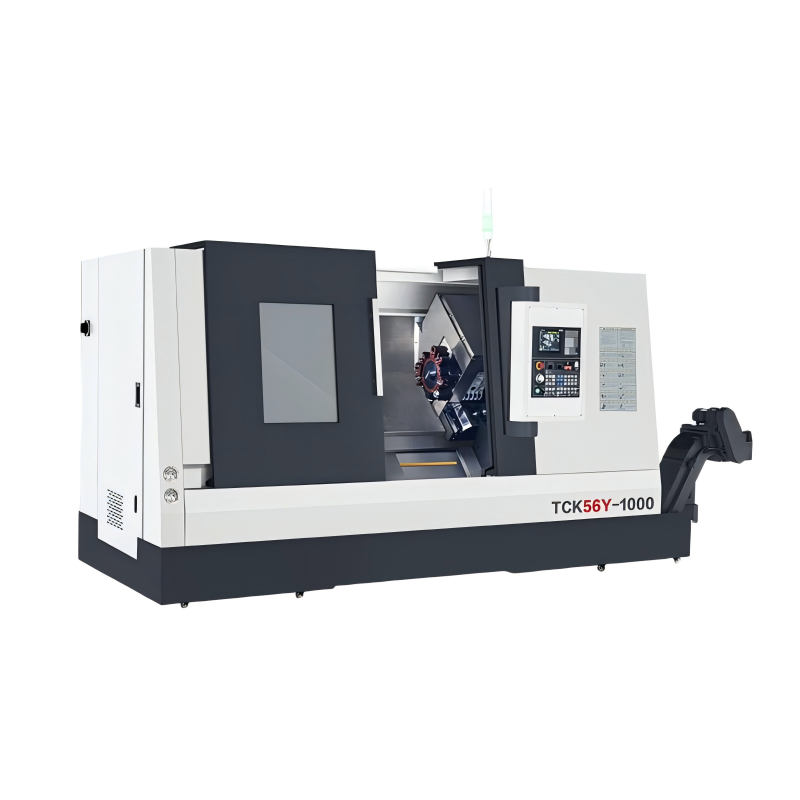
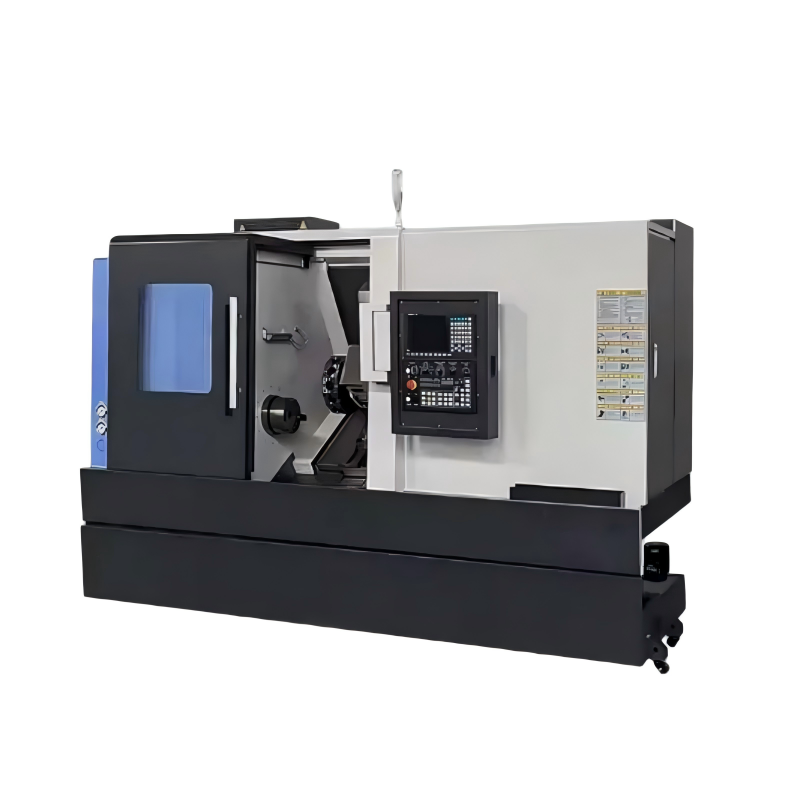
A precision metal lathe operates on the principle of subtractive manufacturing, where material is removed from a workpiece to achieve the desired shape and dimensions. The core of this process lies in the interaction between the cutting tool and the workpiece, which rotates at controlled speeds. By adjusting the speed, feed rate, and depth of cut, operators can control the quality and precision of the final product. These machines are equipped with advanced features such as computer numerical control (CNC) systems that allow for automated and highly accurate operations. The integration of CNC technology not only enhances the precision but also improves efficiency by reducing human error and increasing production rates.
Material Versatility: A Key Advantage
One of the most significant advantages of using a Precision Metal Lathe is its versatility when it comes to working with different materials. While these lathes are primarily designed for metals, they can handle a wide range of other materials including plastics, wood, and composites. This flexibility makes them suitable for a variety of applications, from automotive and aerospace industries to medical and electronics sectors. For instance, in the automotive industry, precision metal lathes are used to manufacture engine components, while in the medical field, they are employed in the production of surgical instruments and implants. The ability to work with diverse materials ensures that these machines remain relevant and valuable in a constantly evolving industrial landscape.
Enhancing Productivity through Automation
The advent of automation has revolutionized the way precision metal lathes operate, significantly enhancing productivity and consistency. Modern lathes are often equipped with fully automated systems that can perform complex operations without constant human intervention. Features like automatic tool changers, programmable settings, and real-time monitoring enable continuous operation, thereby minimizing downtime and maximizing output. Additionally, the use of robotics and artificial intelligence (AI) in conjunction with these lathes allows for even greater precision and efficiency. For example, AI algorithms can optimize cutting paths and predict maintenance needs, ensuring that the machine operates at peak performance. This level of automation not only boosts productivity but also reduces the risk of errors, making it an essential feature for high-volume production environments.
Maintaining and Extending the Lifespan of Precision Metal Lathes
To ensure the optimal performance and longevity of a Precision Metal Lathe, regular maintenance is crucial. Proper maintenance involves a series of routine checks and procedures, such as lubrication, cleaning, and inspection of critical components. Lubrication helps to reduce friction and wear, while cleaning prevents the buildup of debris that can affect the machine's accuracy. Regular inspections can identify potential issues before they become major problems, allowing for timely repairs and replacements. Additionally, adhering to manufacturer guidelines and best practices for usage and care can significantly extend the lifespan of the lathe. Training operators to use the machine correctly and efficiently is also an important aspect of maintaining its performance. By investing in proper maintenance and training, companies can maximize the return on their investment in precision metal lathes and ensure consistent, high-quality production.
Conclusion
In conclusion, the Precision Metal Lathe is a powerful and versatile tool that plays a vital role in modern manufacturing. Its ability to produce high-precision parts, work with a variety of materials, and integrate advanced automation technologies makes it an invaluable asset in numerous industries. By understanding and leveraging its capabilities, manufacturers can enhance productivity, improve quality, and stay competitive in a rapidly changing market. Regular maintenance and operator training are key to ensuring the long-term reliability and efficiency of these machines, making them a worthwhile investment for any production facility.

 23/06/2026



