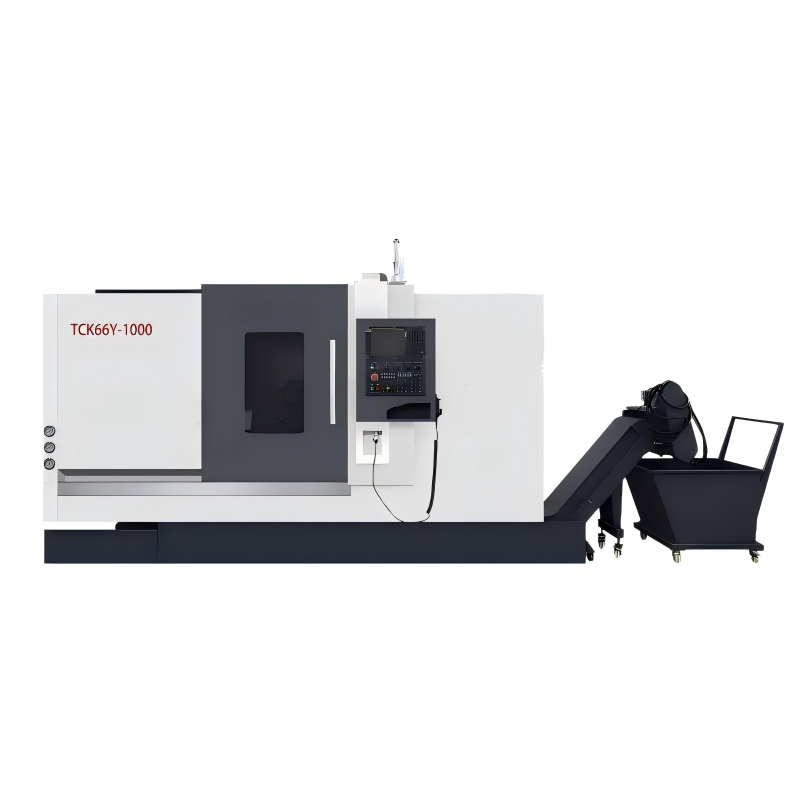
In the ever-evolving world of manufacturing, the precision and efficiency of mold making have become increasingly critical. The advent of advanced machining technologies, such as Vertical Machining Centers (VMC), has revolutionized the way molds are designed and produced. This technical report explores how VMC is shaping the next generation of molds, highlighting key advancements and their impact on the industry.
One of the most significant advantages of using VMC in mold making is the enhanced precision and accuracy it offers. Traditional mold-making methods often rely on manual processes, which can introduce human error and inconsistencies. In contrast, VMC machines utilize computer-aided design (CAD) and computer-aided manufacturing (CAM) software to create highly detailed and accurate molds. The ability to program precise tool paths and control the cutting process with micron-level accuracy ensures that the final product meets the exact specifications required. This level of precision is particularly crucial in industries such as automotive, aerospace, and medical devices, where even the slightest deviation can lead to functional failures or safety issues.
VMC machines also significantly enhance productivity and efficiency in the mold-making process. These machines are capable of performing multiple operations in a single setup, reducing the need for frequent tool changes and repositioning. This not only saves time but also minimizes the risk of errors that can occur during manual handling. Additionally, VMCs can operate continuously, 24/7, with minimal supervision, further increasing production capacity. The integration of automation and robotics into VMC systems allows for even greater efficiency, as these technologies can handle repetitive tasks with speed and consistency. For manufacturers, this translates into higher output, shorter lead times, and lower overall costs.
Another key benefit of VMC in mold making is its versatility in handling a wide range of materials. Whether it's steel, aluminum, or more exotic materials like titanium and composites, VMC machines can be configured to work with various substrates. This flexibility is essential in meeting the diverse needs of different industries. For example, in the electronics industry, molds may require high-precision features in soft materials, while in the aerospace sector, molds for composite parts need to be both strong and lightweight. VMC machines can be equipped with specialized tools and cutting strategies to accommodate these varying requirements, ensuring that the final mold is both functional and durable. Furthermore, the ability to switch between different materials and tooling configurations quickly and easily makes VMC an ideal choice for manufacturers looking to adapt to changing market demands.
VMC machines are designed with advanced features that help reduce tool wear and maintenance, leading to longer tool life and lower operational costs. One such feature is the use of high-speed spindles, which can operate at speeds up to 20,000 RPM or higher. High-speed machining reduces the contact time between the tool and the material, minimizing heat generation and wear. Additionally, VMCs often come with automatic tool changers (ATCs) that can store and swap out tools as needed, ensuring that the optimal tool is always in use. This not only extends the life of the tools but also reduces downtime associated with manual tool changes. Advanced cooling and lubrication systems further contribute to tool longevity by maintaining optimal operating conditions. For manufacturers, these benefits translate into reduced maintenance costs and increased uptime, making VMC a cost-effective solution for mold making.
The integration of VMC with Industry 4.0 technologies is another area where these machines are shaping the future of mold making. Industry 4.0, characterized by the use of smart, connected systems, enables real-time monitoring and data analysis, which can significantly improve the mold-making process. For example, sensors embedded in VMC machines can collect data on tool wear, machine performance, and material properties. This data can then be analyzed to predict maintenance needs, optimize tool paths, and identify potential quality issues before they become problems. Additionally, the use of cloud-based platforms and artificial intelligence (AI) algorithms allows for continuous learning and improvement, enabling manufacturers to refine their processes over time. The result is a more intelligent, responsive, and efficient mold-making operation that can adapt to changing conditions and customer requirements.
In conclusion, the use of VMC in mold making is driving significant advancements in precision, efficiency, and flexibility. By leveraging advanced technologies and integrating with Industry 4.0, VMC machines are not only improving the quality and performance of molds but also transforming the way manufacturers approach the entire production process. As the demand for high-quality, customized products continues to grow, VMC will play an increasingly important role in shaping the next generation of molds.
 24/06/2026
In the ever-evolving landscape of manufacturing, the integration of advanced technology has become a cornerstone for innovation and efficiency. One such technological advancement that is revolutionizing industries is the Mold Making VMC (Vertical Machinin
Read More24/06/2026In the rapidly evolving world of manufacturing, precision and efficiency are not just desirable; they are absolute necessities. This is especially true in mold making, where the slightest deviation can lead to significant quality issues. One technology th
Read More23/06/2026In the ever-evolving landscape of manufacturing, technological advancements are reshaping the way we produce goods. One such technology that has gained significant attention is Vertical Machining Center (VMC) technology. This report delves into the future
Read More23/06/2026With the rapid advancement in manufacturing technologies, the demand for precision and efficiency has never been higher. One of the key areas where this is evident is in mold making, particularly with the use of VMC (Vertical Machining Centers). This repo
Read More23/06/2026In the intricate world of manufacturing, precision is not just a preference but a necessity. The ability to create molds with high accuracy and consistency is crucial for industries ranging from automotive to electronics. This report delves into the art o
Read MoreOur professional sales team is always ready to assist you.