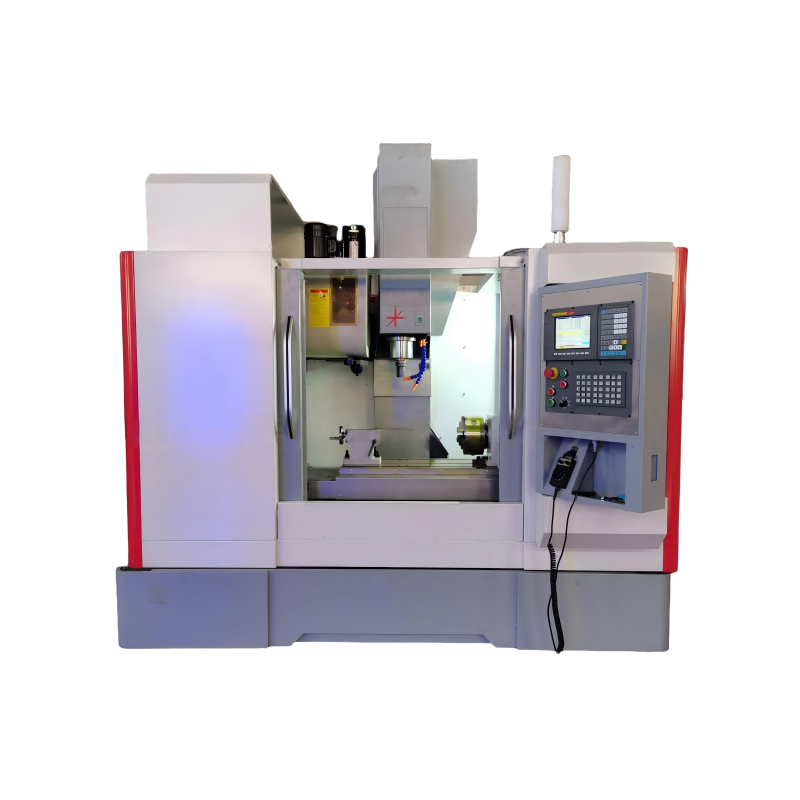
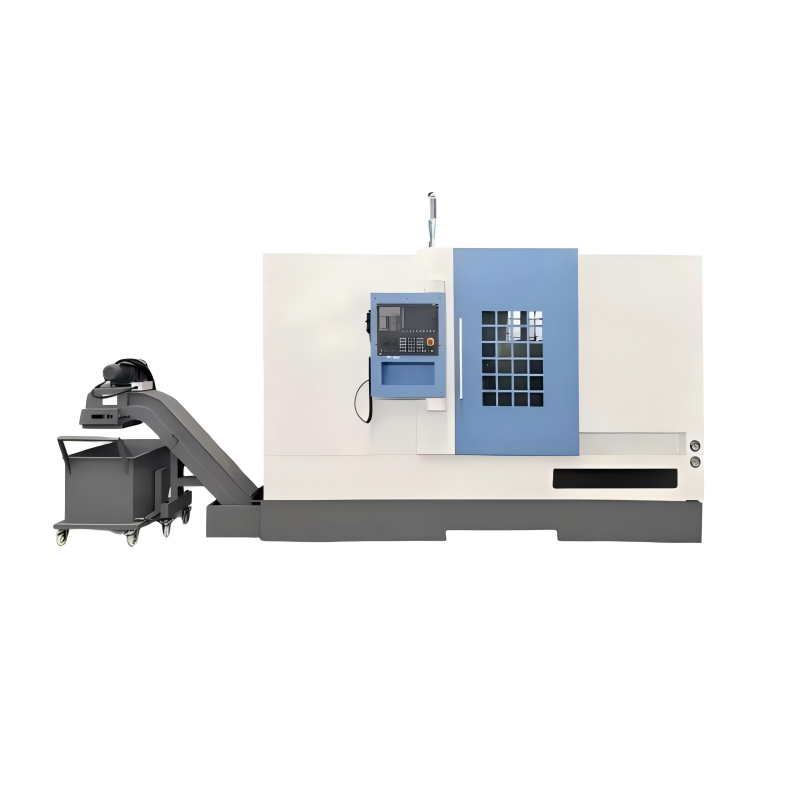
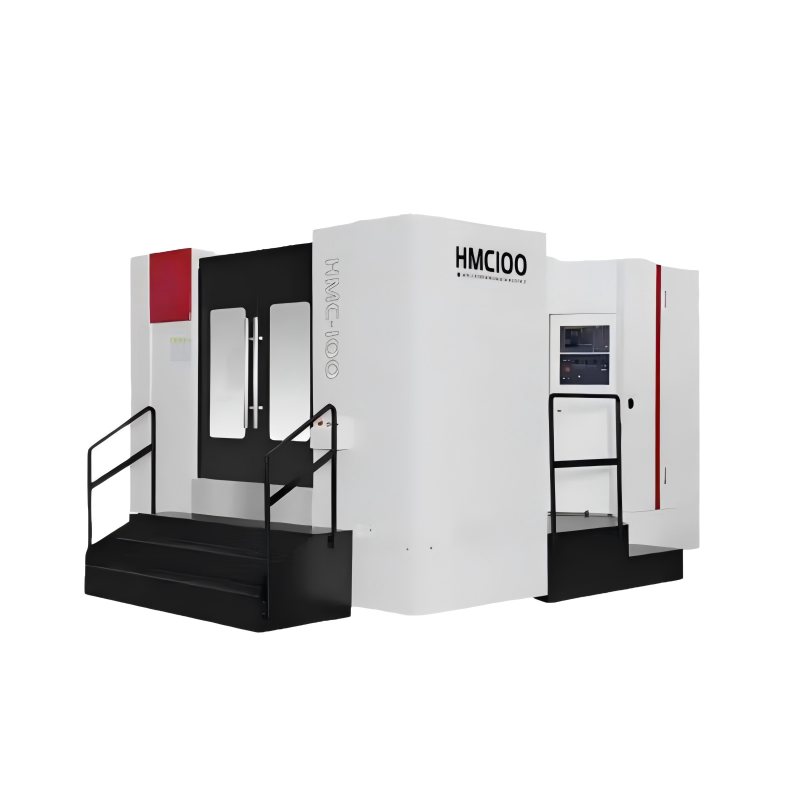
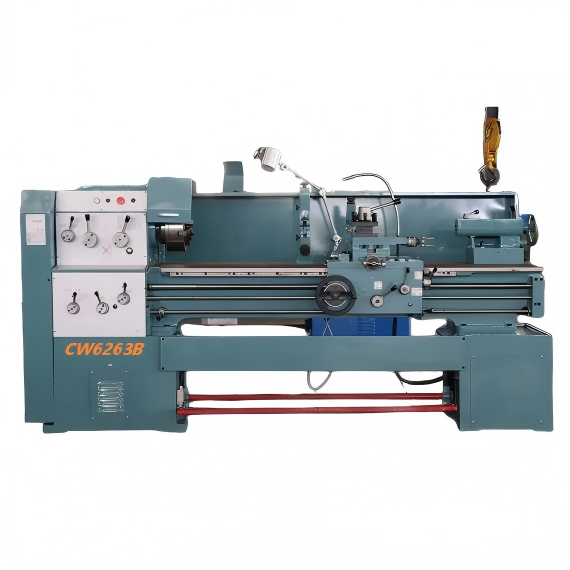
In the realm of CNC (Computer Numerical Control) machining, precision is paramount. The accuracy with which a machine can manipulate materials to create parts and components directly impacts the quality and functionality of the end product. One of the key factors influencing this precision is the control over the X-axis, which, along with the Z-axis movement, forms the foundation for most 2D and 3D machining operations. This report delves into how X-axis control affects CNC machining precision, exploring its impact on part accuracy, surface finish, and overall production efficiency.
The X-axis, alongside the Y- and Z-axes, defines the three-dimensional space within which a CNC machine operates. Specifically, the X-axis is responsible for horizontal movements, allowing the cutting tool or the workpiece to move left and right. In many CNC setups, especially those involving milling or turning, the X-axis plays a crucial role in determining the final shape and dimensions of the machined part. By controlling the X-axis accurately, operators can ensure that the material is removed precisely as per the design specifications, leading to higher precision in the final product.
The level of precision in X-axis control significantly influences the accuracy of the machined parts. High-precision X-axis movements are essential for maintaining tight tolerances, which are often required in industries such as aerospace, automotive, and medical devices. Any deviation in the X-axis movement can lead to dimensional errors, affecting the fit and function of the part. For instance, in a milling operation, if the X-axis is not controlled accurately, it can result in uneven cuts or incorrect positioning of features, ultimately compromising the part's integrity. Therefore, ensuring high-precision X-axis control is critical for achieving the desired part accuracy.
Beyond part accuracy, the X-axis control also has a significant impact on the surface finish of the machined parts. A smooth and consistent surface finish is often a requirement for many applications, as it can affect the part's performance and appearance. In CNC machining, the X-axis movement must be finely tuned to achieve a uniform and high-quality surface finish. If the X-axis control is imprecise, it can lead to visible tool marks, rough surfaces, or inconsistent textures. This is particularly important in operations like finishing passes, where the X-axis movement needs to be extremely accurate to produce a polished and professional-looking surface. Advanced CNC machines equipped with high-precision X-axis control systems, such as linear scales and servo motors, can help achieve the desired surface finish quality.
Optimizing X-axis control not only enhances the precision and surface finish of machined parts but also contributes to increased efficiency and productivity. Accurate and reliable X-axis movements reduce the need for rework and scrap, thereby saving time and material costs. Additionally, modern CNC machines with advanced X-axis control systems can perform complex operations more quickly and with greater consistency, leading to faster production cycles and higher throughput. For example, in high-speed machining, precise X-axis control allows for rapid and accurate tool paths, enabling the machine to complete tasks in a shorter amount of time without sacrificing quality. This makes X-axis optimization a key factor in improving the overall efficiency and profitability of CNC machining operations.
The X-axis control is a fundamental aspect of CNC machining, playing a pivotal role in determining the precision, surface finish, and efficiency of the machining process. By ensuring high-precision X-axis movements, manufacturers can achieve tighter tolerances, better surface finishes, and enhanced productivity. As CNC technology continues to advance, the importance of X-axis control will only grow, making it a critical area for ongoing research and development. Ultimately, the ability to control the X-axis and Z-axis Movement with high precision is essential for delivering high-quality, reliable, and efficient machining results.
 24/06/2026
Understanding the Importance of Z-axis Movement in 3D PrintingThe Z-axis movement is a critical component of any 3D printing process, as it determines the vertical resolution and speed at which layers are deposited. In many 3D printers, the Z-axis control
Read More24/06/2026In the ever-evolving landscape of industrial automation and robotics, the advancements in X-axis actuators have played a pivotal role in enhancing overall system performance. This technical report delves into the recent innovations in X-axis actuators, fo
Read More23/06/2026In the realm of precision engineering, the 2-Axis Slant Bed CNC Lathe stands out as a versatile and efficient tool. This comprehensive guide delves into the intricacies of its features, with a particular focus on the X-axis and Z-axis movement, which are
Read More23/06/2026In the realm of 3D printing, the ability to control and manipulate the X-axis and Z-axis movement is fundamental to achieving high-quality prints. This report delves into the specific role of Z-axis movement within 3D printing processes, exploring its imp
Read More23/06/2026Introduction to Z-axis Control in Precision Machining In the realm of precision machining, achieving a superior surface finish is paramount. The quality of the final product often hinges on the ability to control the movement and positioning of the cuttin
Read More23/06/2026In the world of 3D printing, precision and accuracy are paramount. The quality of a print can be significantly influenced by the movement along different axes, particularly the X-axis and Z-axis. Understanding how X-axis motion affects your prints is cruc
Read More22/06/2026In the realm of robotics, understanding the dynamics of X-axis movement is fundamental to designing efficient and precise machines. The X-axis, along with the Y and Z axes, forms the basis of a three-dimensional coordinate system that defines the position
Read More22/06/2026In the realm of precision engineering, Computer Numerical Control (CNC) machining stands out as a cornerstone for producing components with exact specifications. The importance of Z-axis precision in CNC machining cannot be overstated, especially when con
Read More22/06/2026Understanding the intricacies of 3D printing technology, particularly the dynamics of X-axis and Z-axis movement, is crucial for optimizing print quality, speed, and overall efficiency. In this technical report, we will delve into the mechanisms that gove
Read MoreOur professional sales team is always ready to assist you.