In recent years, the global manufacturing industry has witnessed a significant shift towards precision and automation, with China emerging as one of the leading players in the development and production of high-Precision Milling Machines. This report explores the latest innovations in precision milling technology from leading Chinese manufacturers, highlighting key advancements and their impact on the industry.
Advancements in CNC Technology
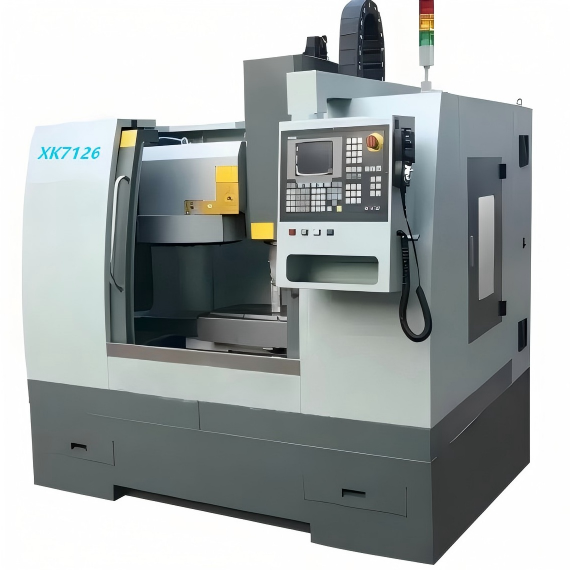
One of the most notable developments in Precision Milling Machine Made in China is the integration of advanced Computer Numerical Control (CNC) systems. These systems have revolutionized the way milling operations are conducted, providing unparalleled accuracy and efficiency. Leading Chinese manufacturers have invested heavily in research and development to enhance the capabilities of CNC systems, resulting in machines that can perform complex milling tasks with minimal human intervention.
The latest CNC technologies feature improved software algorithms that optimize tool paths, reduce machining time, and minimize material waste. Additionally, these systems are equipped with real-time monitoring and diagnostic tools, allowing operators to track the performance of the machine and make adjustments on the fly. This level of precision and control is crucial for industries that require high-quality components, such as aerospace, automotive, and medical device manufacturing.
Integration of Artificial Intelligence and Machine Learning
Another significant trend in precision milling technology is the incorporation of artificial intelligence (AI) and machine learning (ML) into the manufacturing process. Chinese manufacturers are at the forefront of this innovation, developing intelligent milling machines that can learn from past operations and improve their performance over time. AI and ML algorithms analyze data from various sensors and feedback mechanisms, enabling the machine to adapt to different materials and operating conditions.
This integration not only enhances the precision and consistency of the milling process but also reduces the need for manual adjustments. For example, AI-powered milling machines can predict tool wear and automatically adjust cutting parameters to maintain optimal performance. This predictive maintenance capability extends the lifespan of the tools and reduces downtime, making the entire manufacturing process more efficient and cost-effective.
High-Precision Linear Guideways and Spindles
The quality and reliability of precision milling machines are heavily dependent on the components used in their construction. Leading Chinese manufacturers have focused on developing high-precision linear guideways and spindles, which are critical for achieving accurate and repeatable results. Linear guideways ensure smooth and precise movement along the X, Y, and Z axes, while high-speed spindles provide the necessary rotational power for cutting and shaping materials.
Advanced materials and manufacturing techniques, such as ceramic ball bearings and high-strength alloys, are being used to create spindles that can operate at higher speeds without compromising stability. Additionally, linear guideways are designed with reduced friction and wear, ensuring long-term durability and consistent performance. These improvements have a direct impact on the overall precision and reliability of the milling machine, making them ideal for applications that demand the highest levels of accuracy.
Customization and Flexibility
Modern precision milling machines made in China are designed to be highly customizable and flexible, catering to a wide range of industrial needs. Manufacturers offer a variety of configurations and options, allowing customers to tailor the machine to their specific requirements. This flexibility is particularly important in industries where product designs frequently change or where multiple types of components need to be produced.
Customization options include different table sizes, spindle configurations, and tool changers. Some machines also support multi-axis machining, enabling the production of complex 3D shapes and contours. The ability to quickly reconfigure the machine for different tasks reduces setup times and increases overall productivity. Moreover, modular design principles allow for easy upgrades and maintenance, ensuring that the machine remains up-to-date with the latest technological advancements.
Sustainability and Energy Efficiency
As environmental concerns become increasingly important, leading Chinese manufacturers are also focusing on developing sustainable and energy-efficient precision milling machines. These machines are designed to consume less power and generate less waste, contributing to a greener manufacturing process. Energy-efficient motors, optimized cooling systems, and smart power management features are some of the innovations being implemented to reduce the environmental footprint of milling operations.
Additionally, the use of recycled materials and eco-friendly manufacturing processes is becoming more common. Some manufacturers are even exploring the integration of renewable energy sources, such as solar power, to further reduce the carbon emissions associated with their operations. By prioritizing sustainability, Chinese manufacturers are not only meeting regulatory requirements but also addressing the growing demand for environmentally responsible products in the global market.
In conclusion, the innovations in precision milling technology from leading Chinese manufacturers are driving the industry forward, offering new levels of precision, efficiency, and flexibility. The integration of advanced CNC systems, AI and ML, high-precision components, customization options, and a focus on sustainability are key factors that set these machines apart. As the global manufacturing landscape continues to evolve, Chinese Precision Milling Machines are well-positioned to meet the demands of a wide range of industries, ensuring high-quality and reliable production.

 01/07/2026



