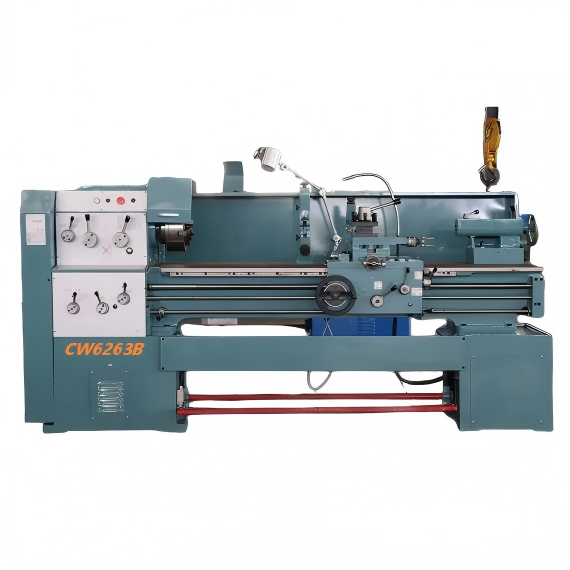
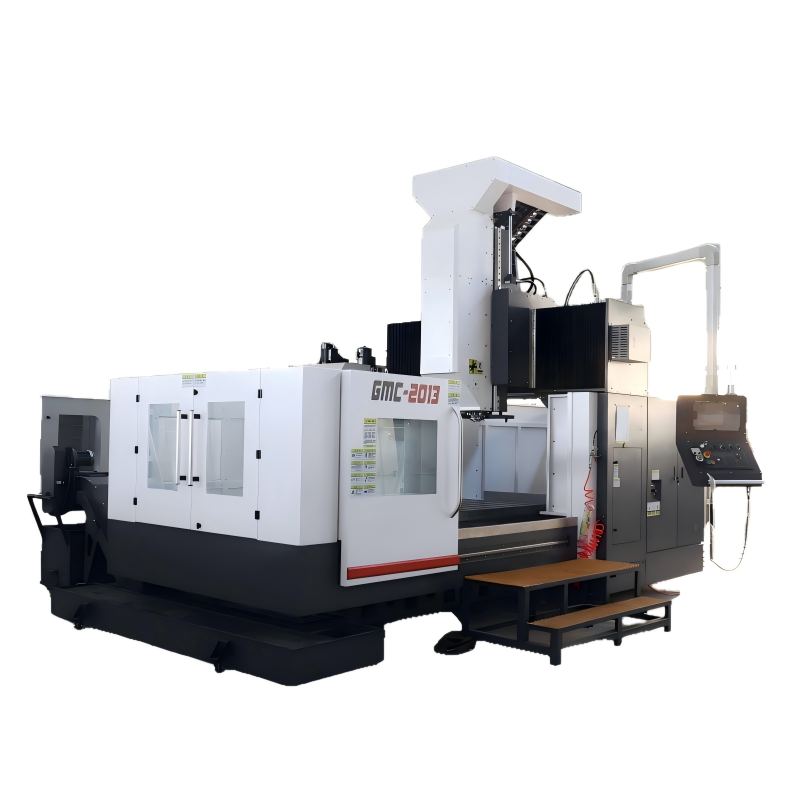
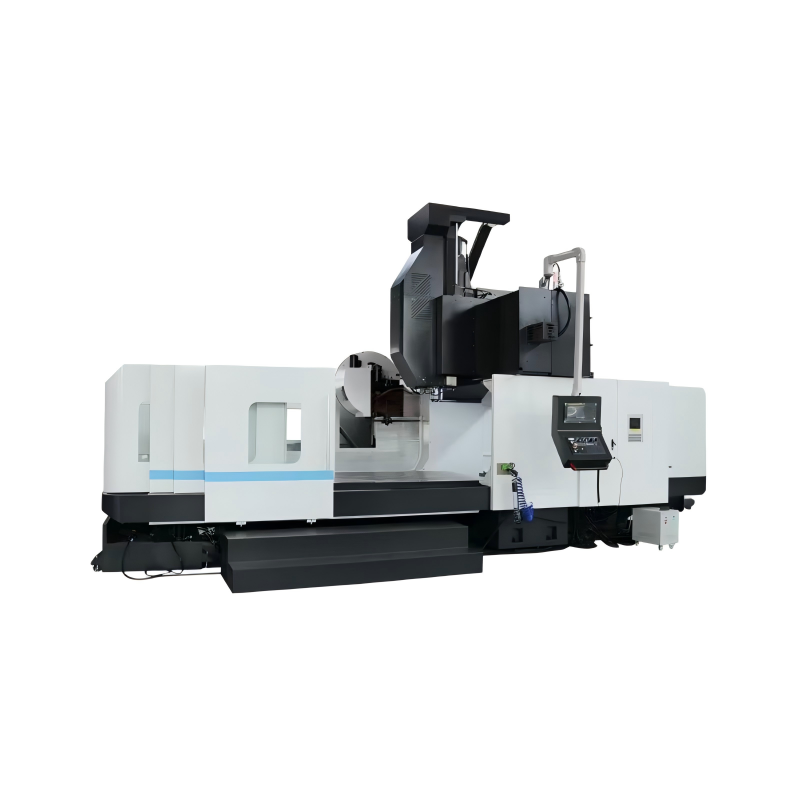
In the realm of industrial manufacturing, Precision Milling Machines have become an indispensable tool for producing high-accuracy parts. As China has emerged as a global leader in manufacturing, the impact of Chinese production on the quality and performance of these machines cannot be understated. This report delves into the influence of Chinese manufacturing on the quality of precision milling machines, exploring advancements, challenges, and future prospects.
The rapid development of technology in China has significantly influenced the design and functionality of precision milling machines. One notable advancement is the integration of advanced computer numerical control (CNC) systems, which allow for greater precision and automation. These CNC systems, often made in China, incorporate state-of-the-art software and hardware, enabling manufacturers to produce components with tighter tolerances and higher repeatability. Additionally, the use of high-quality materials and innovative machining techniques has led to the creation of more durable and efficient machines.
Chinese manufacturers have also invested heavily in research and development, leading to the incorporation of smart technologies such as artificial intelligence (AI) and the Internet of Things (IoT). These technologies enhance the machine's ability to self-diagnose, optimize processes, and reduce downtime, thereby improving overall productivity and quality. The result is a new generation of precision milling machines that not only meet but often exceed international standards.
Ensuring consistent quality is a critical aspect of manufacturing, and Chinese producers have made significant strides in this area. Many Chinese factories now adhere to stringent quality control measures, including rigorous testing and inspection protocols. For instance, precision milling machines made in China undergo multiple stages of testing, from raw material inspection to final product validation, to ensure they meet the required specifications. Furthermore, the adoption of international quality management standards, such as ISO 9001, has helped Chinese manufacturers establish robust quality assurance systems.
Another key factor in maintaining high quality is the implementation of advanced metrology equipment. Chinese manufacturers utilize sophisticated measuring tools and software to monitor and control the dimensional accuracy of machined parts. This ensures that every component produced by a precision milling machine meets the exacting standards demanded by industries such as aerospace, automotive, and medical devices. The commitment to quality control and assurance has not only improved the reputation of Chinese-made machinery but also increased customer confidence in their products.
The rise of Chinese manufacturing has had a profound impact on the global market for precision milling machines. Chinese-made machines are increasingly competitive in terms of both price and quality, making them a preferred choice for many businesses worldwide. This has led to a shift in the market dynamics, with traditional manufacturing powerhouses facing stiff competition from Chinese manufacturers. The cost-effectiveness and reliability of Chinese precision milling machines have attracted a wide range of customers, from small workshops to large-scale industrial operations.
Looking ahead, the future of Chinese precision milling machine manufacturing appears promising. The Chinese government's continued support for the manufacturing sector, coupled with the ongoing technological advancements, is expected to drive further innovation and growth. Additionally, the increasing focus on sustainability and green manufacturing practices is likely to shape the industry's future direction. As Chinese manufacturers continue to refine their processes and expand their global footprint, the quality and performance of precision milling machines made in China are poised to reach new heights.
Despite the numerous advancements, the Chinese manufacturing landscape still faces several challenges. One of the primary concerns is the perception of lower quality associated with some Chinese products. While many Chinese manufacturers have made significant improvements, overcoming this stereotype remains a challenge. Another issue is the need for continuous innovation to stay ahead in a highly competitive global market. Chinese manufacturers must invest in cutting-edge technologies and skilled labor to maintain their edge.
However, these challenges also present opportunities. The growing demand for high-precision and high-efficiency machines offers a fertile ground for innovation. By focusing on research and development, Chinese manufacturers can develop new and improved precision milling machines that address the evolving needs of various industries. Additionally, the expansion of the domestic market and the increasing interest from international buyers provide a strong foundation for sustained growth. The key to success lies in leveraging these opportunities while addressing the existing challenges, ensuring that precision milling machines made in China continue to set new benchmarks in the global manufacturing industry.
The impact of Chinese manufacturing on the quality of precision milling machines is multifaceted and far-reaching. From technological advancements and quality control measures to global market influence and future prospects, the contributions of Chinese manufacturers are reshaping the industry. As China continues to innovate and improve, the quality and performance of precision milling machines made in China are set to reach new levels of excellence. This evolution underscores the importance of embracing change and investing in the future, ensuring that Chinese-made precision milling machines remain at the forefront of the global manufacturing landscape.
 01/07/2026
In the realm of modern manufacturing, precision is not just a preference but an absolute necessity. A Precision Milling Machine Made in China stands out as a testament to the country's growing prowess in high-precision engineering and advanced manufacturi
Read More01/07/2026In recent years, the global manufacturing industry has witnessed a significant shift towards precision and automation, with China emerging as one of the leading players in the development and production of high-precision milling machines. This report expl
Read More01/07/2026Understanding the Basics of Precision Milling MachinesPrecision milling machines, particularly those made in China, have become increasingly popular due to their advanced features and cost-effectiveness. These machines are designed to perform high-accurac
Read More01/07/2026In recent years, the manufacturing industry has witnessed a significant transformation with the advent of advanced machinery and equipment. Among these, precision milling machines have emerged as critical tools for achieving high-accuracy and efficiency i
Read More01/07/2026In the rapidly evolving landscape of modern manufacturing, precision milling machines have emerged as indispensable tools. These sophisticated devices are capable of producing components with extremely high accuracy, making them crucial for industries ran
Read MoreOur professional sales team is always ready to assist you.