Introduction to Vertical Machining Centers
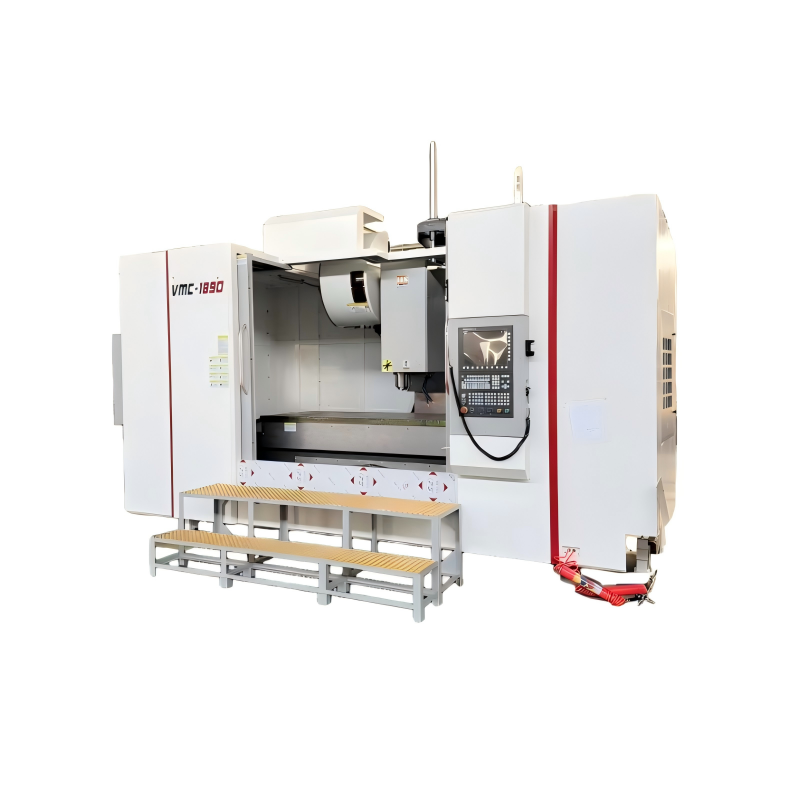
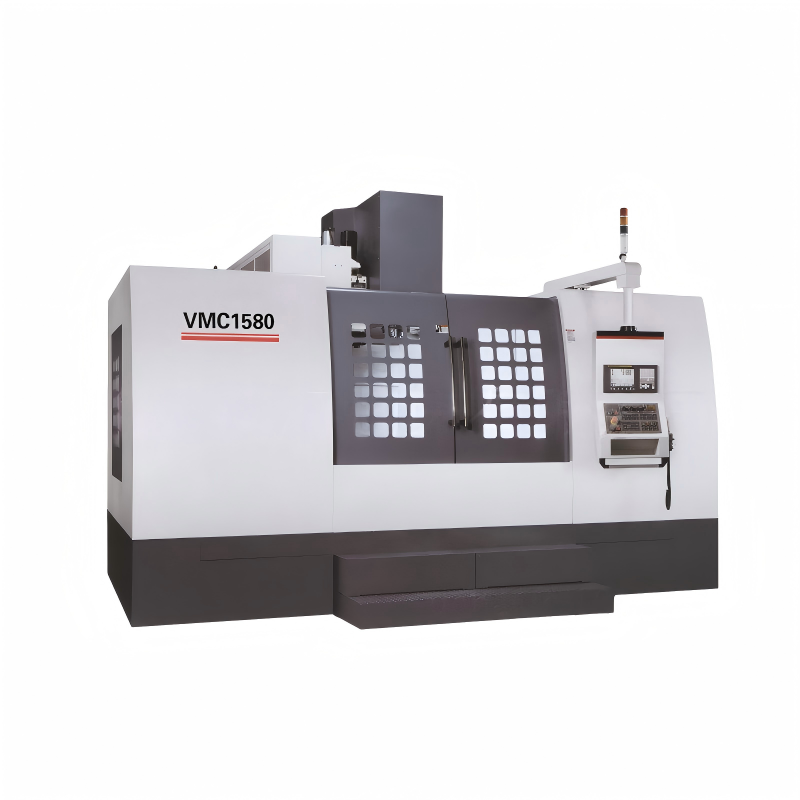
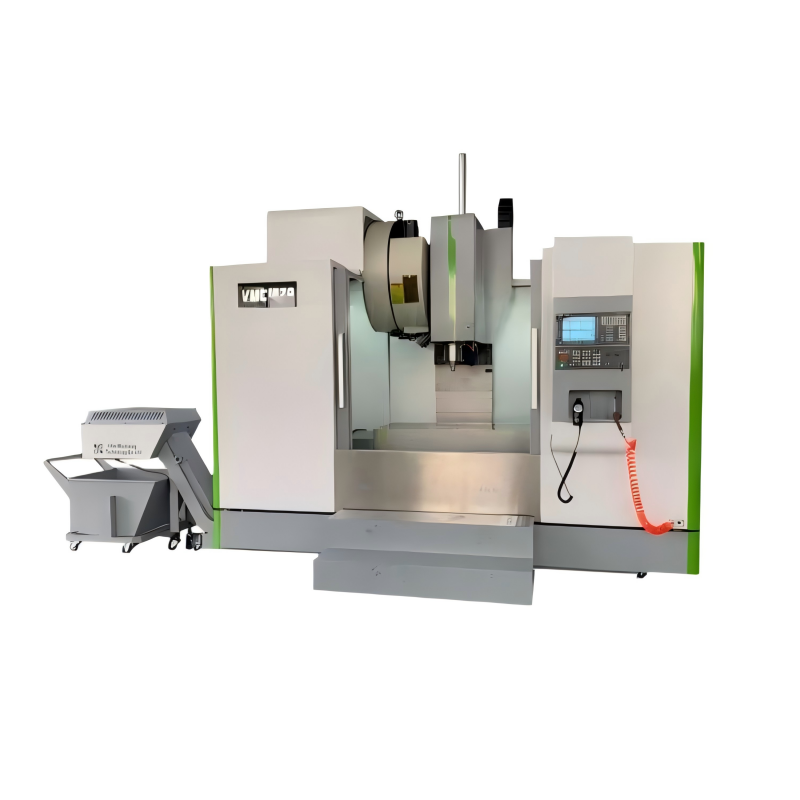
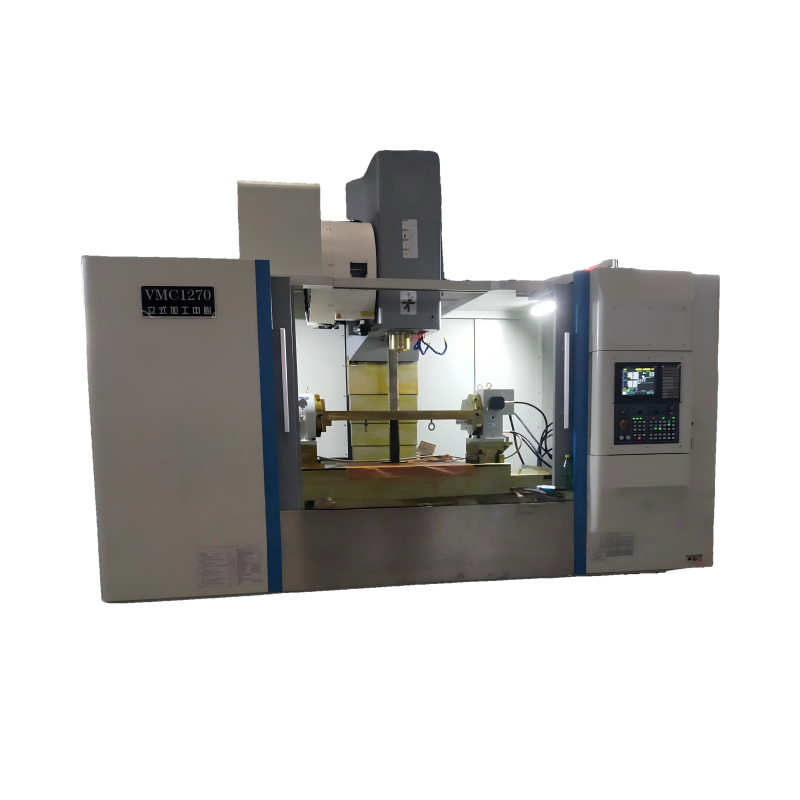
A Vertical Machining Center (VMC) is a type of CNC machine that has its spindle axis in the vertical orientation. This setup allows for multiple operations such as drilling, milling, and tapping to be performed on a single workpiece. The versatility and efficiency of VMCs have made them indispensable in modern manufacturing processes. In recent years, significant advancements have been made to enhance the performance and productivity of these machines.
Advancements in Spindle Technology
The spindle is one of the most critical components of a vertical machining center. Recent innovations in spindle technology have led to increased cutting speeds and improved accuracy. High-speed spindles, capable of reaching speeds up to 30,000 RPM, are now common in advanced VMCs. These high-speed spindles enable faster material removal rates and better surface finishes, thereby increasing overall efficiency. Additionally, the use of ceramic ball bearings and air-oil lubrication systems has significantly reduced friction and wear, extending the life of the spindle and reducing maintenance costs.
Enhanced Tool Changer Systems
Efficient tool changing is crucial for maintaining high productivity in a vertical machining center. Modern VMCs feature advanced automatic tool changers (ATCs) that can swap tools in seconds, minimizing downtime between operations. Some of the latest ATCs can hold up to 100 tools, allowing for complex and diverse machining tasks without the need for manual intervention. Furthermore, the integration of smart sensors and predictive maintenance algorithms ensures that the tool changer system operates at peak efficiency, reducing the likelihood of tooling errors and improving overall machine uptime.
Integration of Automation and Robotics
The integration of automation and robotics into vertical machining centers has revolutionized the manufacturing process. Robotic arms and automated pallet changers can load and unload workpieces, perform part inspections, and even change tools, all without human intervention. This level of automation not only increases production speed but also enhances safety by reducing the need for operators to interact with the machine. Additionally, the use of collaborative robots (cobots) allows for more flexible and adaptive manufacturing processes, enabling the VMC to handle a wider range of tasks and materials.
Advanced Control Systems and Software
The control systems and software used in vertical machining centers have seen significant improvements, leading to enhanced precision and efficiency. Modern CNC controllers are equipped with advanced features such as real-time monitoring, adaptive control, and collision avoidance. These features allow the VMC to adjust its parameters in real-time based on the cutting conditions, ensuring optimal performance and minimizing the risk of tool breakage or machine damage. Moreover, the integration of Industry 4.0 technologies, such as IoT and cloud computing, enables remote monitoring and data analytics, providing valuable insights into machine performance and facilitating predictive maintenance.
Conclusion
Innovations in vertical machining centers have significantly enhanced their efficiency and productivity. Advancements in spindle technology, tool changer systems, automation, and control systems have collectively contributed to the development of more versatile and high-performing VMCs. As manufacturing continues to evolve, the integration of these technologies will play a crucial role in meeting the demands of modern industry.
 29/06/2026



