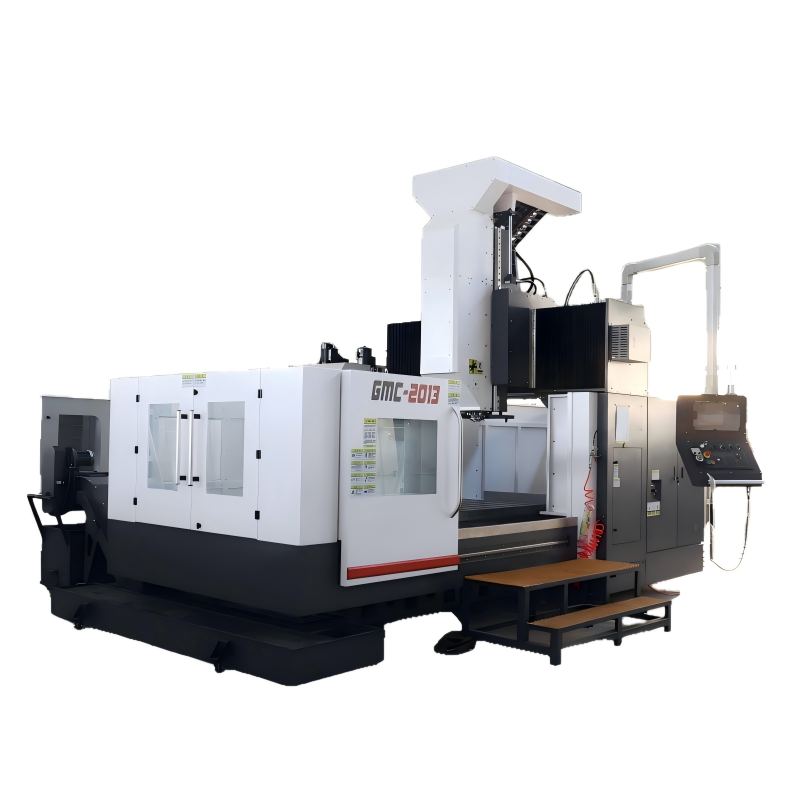
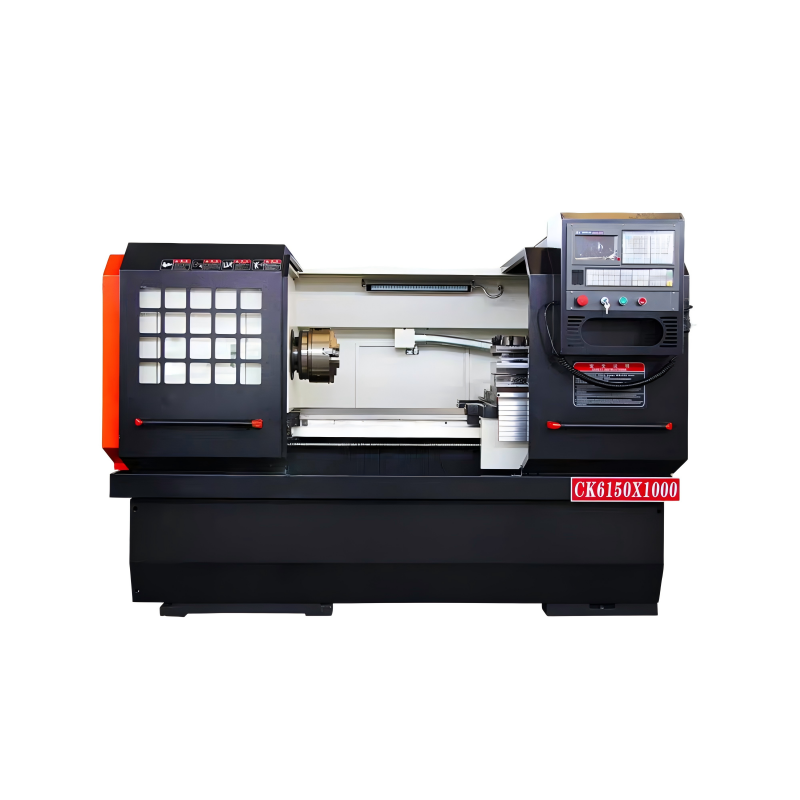
The CNC pipe threading lathe is a critical piece of machinery in many industrial settings, playing an indispensable role in creating precise and uniform threads on pipes. To ensure that your CNC pipe threading lathe continues to operate at its best, regular maintenance is not just recommended; it's essential. Proper care can significantly extend the life of the machine, reduce downtime, and prevent costly repairs. This section will explore the key maintenance practices that should be part of any operator’s routine.
Maintenance begins with a thorough understanding of the machine. Familiarize yourself with the manufacturer's guidelines, which often provide detailed instructions on how to maintain the equipment. Key areas to focus on include lubrication, cleaning, and inspection of parts. Lubricating moving components such as bearings and slides helps to reduce friction and wear, while regular cleaning prevents the buildup of debris that could interfere with the lathe's performance. Additionally, inspecting the machine for signs of wear or damage allows you to address issues before they become serious problems. By adhering to these maintenance routines, operators can help ensure their CNC pipe threading lathes remain reliable and efficient.
Despite regular maintenance, even the most well-cared-for CNC pipe threading lathe may encounter operational issues from time to time. Being able to identify and resolve these problems quickly is crucial for minimizing downtime and maintaining productivity. Some common issues include inaccuracies in thread cutting, unusual noises, and unexpected stops during operation. Addressing these challenges requires a systematic approach to troubleshooting, which involves identifying the root cause of the problem and applying the appropriate solution.
One frequent issue is inaccurate thread cutting, which can result from several factors, including worn-out tools, incorrect tool settings, or a misaligned workpiece. Checking and replacing dull or damaged tools, recalibrating the tool settings, and ensuring the workpiece is properly secured can often resolve this issue. Unusual noises might indicate mechanical problems, such as loose or worn-out components. A thorough inspection of the lathe's internal mechanisms, followed by tightening or replacing faulty parts, can help eliminate these sounds. Unexpected stops during operation can be caused by software glitches, power supply issues, or safety interlocks. Resetting the control system, checking the power connections, and verifying that all safety features are functioning correctly are steps to take when facing this problem. By systematically addressing these common issues, operators can keep their CNC pipe threading lathes running smoothly.
To further enhance the performance and longevity of your CNC pipe threading lathe, consider implementing advanced maintenance techniques. These methods go beyond basic upkeep and involve more sophisticated approaches to monitoring and maintaining the machine. One such technique is condition-based monitoring, which uses sensors and data analysis to track the health of the lathe in real-time. This proactive approach allows operators to detect potential issues before they lead to failure, thereby reducing the risk of unplanned downtime.
Another advanced maintenance practice is predictive maintenance, which leverages historical data and machine learning algorithms to predict when maintenance will be required. By analyzing patterns and trends, this method can forecast component failures and schedule maintenance activities accordingly. Implementing predictive maintenance can significantly improve the overall efficiency of the machine, as it minimizes unnecessary maintenance and ensures that critical components are serviced at the optimal time.
Additionally, upgrading the lathe's software and firmware can also contribute to enhanced performance. Software updates often include bug fixes, new features, and performance improvements that can make the machine more efficient and user-friendly. Regularly updating the software and firmware ensures that the lathe remains up-to-date with the latest technological advancements, providing better results and a more seamless user experience. By incorporating these advanced maintenance techniques, operators can maximize the performance and lifespan of their CNC pipe threading lathes.
 29/06/2026
Choosing the right CNC pipe threading lathe for your workshop is a decision that can significantly impact productivity, efficiency, and overall quality of work. With numerous options available on the market, it's essential to consider several key factors
Read More28/06/2026The advent of CNC (Computer Numerical Control) technology has revolutionized the manufacturing industry, particularly in the realm of pipe threading. A CNC pipe threading lathe is a specialized machine designed to thread pipes with precision and efficienc
Read More27/06/2026In the realm of precision engineering, the CNC pipe threading lathe stands out as a critical tool for creating threads on pipes with unparalleled accuracy and consistency. This report aims to provide an in-depth exploration into mastering the use of a CNC
Read More26/06/2026In the ever-evolving world of manufacturing, the integration of advanced technologies has become a cornerstone for enhancing productivity and precision. One such technological marvel that stands out in the domain of pipe fitting is the CNC pipe threading
Read More25/06/2026With the rapid advancement in manufacturing technologies, the CNC pipe threading lathe has emerged as a pivotal tool for enhancing efficiency across various industries. This report aims to explore how such machinery can be leveraged to improve productivit
Read More24/06/2026The field of manufacturing has seen significant advancements over the years, with one of the key developments being the introduction and evolution of Computer Numerical Control (CNC) technology. Among the various applications of CNC, the CNC pipe threadin
Read More24/06/2026In the ever-evolving landscape of industrial manufacturing, the demand for precision and efficiency in large workpiece turning has never been more pronounced. Chinese manufacturers have risen to the challenge, offering a range of advanced CNC pipe threadi
Read More23/06/2026The field of manufacturing has seen significant advancements with the introduction and evolution of Computer Numerical Control (CNC) machines. Among these, the CNC pipe threading lathe stands out as a versatile tool that combines precision, efficiency, an
Read More22/06/2026Introduction to CNC Lathe Technology and Its Impact on ManufacturingThe advent of Computer Numerical Control (CNC) technology has been a game-changer in the manufacturing sector, especially with machines like the CNC pipe threading lathe. This innovation
Read More22/06/2026In the ever-evolving landscape of manufacturing, the integration of advanced machinery is crucial for maintaining a competitive edge. One such machine that has proven to be a game-changer in many workshops is the CNC pipe threading lathe. This article exp
Read More19/06/2026In the realm of industrial manufacturing, the precision and efficiency of large workpiece turning equipment are paramount. China, with its robust engineering sector, has been at the forefront of developing advanced CNC (Computer Numerical Control) pipe th
Read More17/06/2026Understanding the Basics of CNC Pipe Threading LatheThe CNC pipe threading lathe is a sophisticated machine designed to enhance the efficiency and accuracy of pipe threading operations. This technology has revolutionized the way pipes are prepared for con
Read More17/06/2026In the ever-evolving landscape of manufacturing, precision and efficiency are paramount. The advent of Computer Numerical Control (CNC) technology has revolutionized the way we approach machining, with CNC pipe threading lathe being a prime example of how
Read More16/06/2026The advent of advanced CNC (Computer Numerical Control) pipe threading lathe technologies has significantly transformed the manufacturing landscape, particularly in sectors that rely heavily on precision and efficiency. This document aims to explore how t
Read More16/06/2026In the world of precision engineering, a CNC pipe threading lathe is an indispensable tool for creating threads on pipes and other cylindrical parts. These machines are designed to provide high accuracy and repeatability, making them ideal for both small-
Read More16/06/2026The advent of Computer Numerical Control (CNC) technology has significantly transformed various industries, including the plumbing sector. One of the most notable innovations is the CNC pipe threading lathe, which has revolutionized how pipes are threaded
Read More16/06/2026Understanding the Basics of CNC Pipe Threading LathesThe world of machining has seen a significant transformation with the advent of Computer Numerical Control (CNC) technology, which includes the CNC pipe threading lathe. This equipment is specifically d
Read More16/06/2026In the realm of modern machining, the CNC pipe threading lathe stands out as a remarkable innovation, combining precision with efficiency. This report delves into the intricacies of this advanced machinery, exploring its technical specifications, operatio
Read MoreOur professional sales team is always ready to assist you.