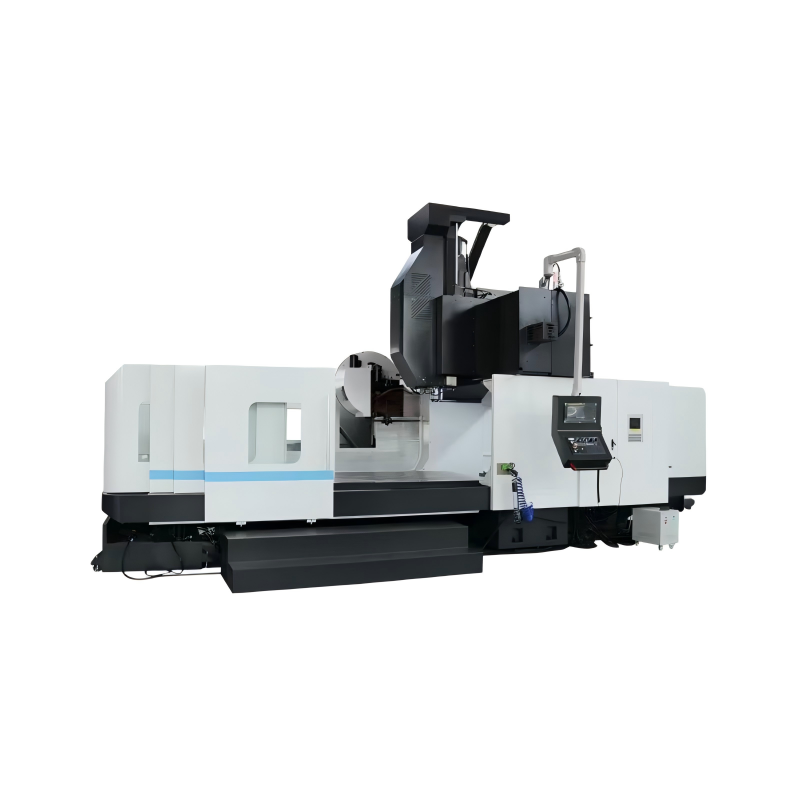
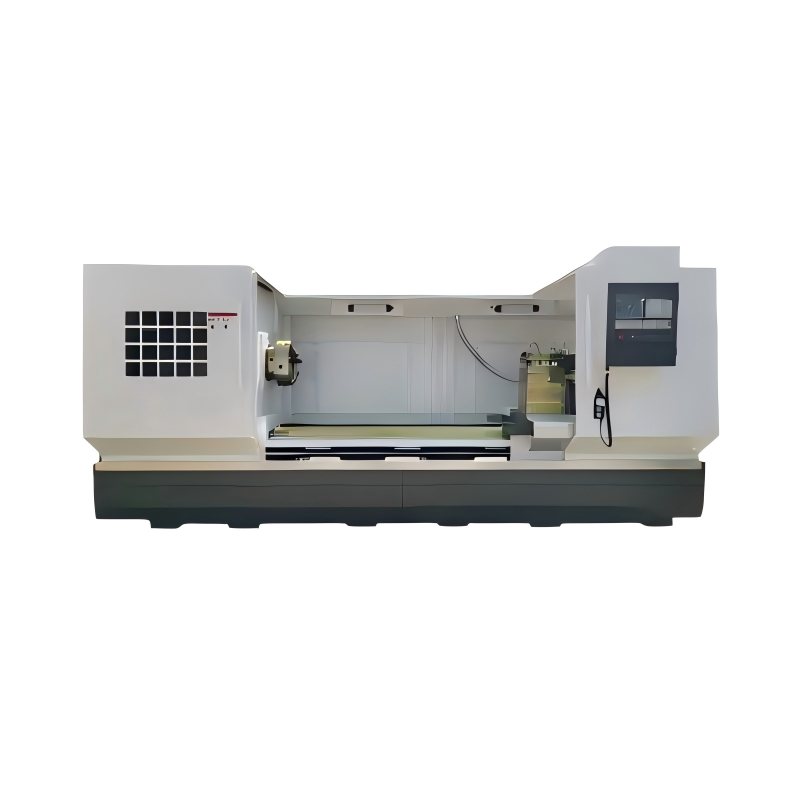
The advent of CNC (Computer Numerical Control) technology has revolutionized the manufacturing industry, particularly in the realm of pipe threading. A CNC pipe threading lathe is a specialized machine designed to thread pipes with precision and efficiency. This report delves into the advantages of using CNC pipe threading lathes in industrial applications, highlighting key benefits that make these machines indispensable for modern manufacturing processes.
One of the most significant advantages of a CNC pipe threading lathe is its ability to achieve unparalleled precision and consistency. Traditional manual lathes rely heavily on the skill and experience of the operator, which can lead to variations in the quality of the threads. In contrast, CNC Lathes use computer-controlled movements to ensure that each thread is cut to exact specifications. This level of precision is crucial in industries where even minor deviations can have serious consequences, such as in the oil and gas, automotive, and aerospace sectors.
Moreover, the consistency provided by CNC lathes ensures that every piece produced meets the same high standards, reducing the likelihood of defects and rework. This not only improves the overall quality of the product but also enhances the reputation of the manufacturer, leading to increased customer satisfaction and loyalty.
Another major advantage of CNC pipe threading lathes is their ability to significantly boost productivity and efficiency. These machines are capable of operating 24/7 with minimal supervision, allowing for continuous production. The automation of the threading process reduces the need for human intervention, which in turn minimizes the risk of errors and downtime.
Additionally, CNC lathes can be programmed to perform multiple operations in a single setup, eliminating the need for frequent tool changes and reducing the overall production time. This streamlined process not only increases the output but also reduces labor costs, making it a cost-effective solution for large-scale manufacturing.
Furthermore, the advanced software used in CNC lathes allows for easy programming and reprogramming, enabling manufacturers to quickly adapt to changing production requirements. This flexibility is particularly valuable in industries where demand can fluctuate rapidly, ensuring that production can be adjusted without significant delays or additional costs.
Material waste is a common issue in traditional machining processes, leading to increased costs and environmental impact. CNC pipe threading lathes help mitigate this problem by optimizing the use of materials. The precise control over the cutting process ensures that the material is used efficiently, with minimal waste generated.
Moreover, the ability to simulate the machining process before actual production helps identify potential issues and optimize the cutting parameters. This not only reduces the risk of errors but also minimizes the amount of scrap material produced. By reducing material waste, manufacturers can achieve significant cost savings, which can be reinvested in other areas of the business.
Additionally, the longevity and durability of the tools used in CNC lathes contribute to further cost savings. The precision and controlled environment of the CNC process result in less wear and tear on the tools, extending their lifespan and reducing the frequency of replacements. This, in turn, leads to lower maintenance costs and a more sustainable manufacturing process.
Safety is a critical concern in any manufacturing environment, and CNC pipe threading lathes offer several advantages in this regard. The automated nature of these machines reduces the need for manual handling of heavy and potentially dangerous materials, thereby minimizing the risk of accidents and injuries. Operators are typically required to load and unload the workpieces, and the rest of the process is handled by the machine, ensuring a safer working environment.
Furthermore, the ergonomic design of CNC lathes contributes to improved working conditions for operators. The reduced physical strain and repetitive motions associated with manual lathes lead to a lower incidence of musculoskeletal disorders and other work-related injuries. This not only enhances the well-being of the workforce but also reduces the costs associated with workplace injuries, such as medical expenses and lost productivity.
Additionally, the enclosed and controlled environment of CNC lathes helps to minimize the exposure to dust, fumes, and other hazardous substances. This is particularly important in industries where the materials being processed may pose health risks, such as in the metalworking and chemical industries. By providing a safer and more comfortable working environment, CNC lathes contribute to the overall sustainability and long-term success of the manufacturing operation.
The integration of CNC pipe threading lathes into industrial applications offers numerous advantages, including enhanced precision and consistency, increased productivity and efficiency, reduced material waste and cost savings, and improved safety and ergonomics. These benefits make CNC lathes an essential tool for modern manufacturing, enabling companies to produce high-quality products while maintaining a competitive edge in the market. As technology continues to advance, the capabilities of CNC lathes are likely to expand, further enhancing their value in the industrial landscape.
 29/06/2026
Choosing the right CNC pipe threading lathe for your workshop is a decision that can significantly impact productivity, efficiency, and overall quality of work. With numerous options available on the market, it's essential to consider several key factors
Read More27/06/2026In the realm of precision engineering, the CNC pipe threading lathe stands out as a critical tool for creating threads on pipes with unparalleled accuracy and consistency. This report aims to provide an in-depth exploration into mastering the use of a CNC
Read More26/06/2026In the ever-evolving world of manufacturing, the integration of advanced technologies has become a cornerstone for enhancing productivity and precision. One such technological marvel that stands out in the domain of pipe fitting is the CNC pipe threading
Read More25/06/2026With the rapid advancement in manufacturing technologies, the CNC pipe threading lathe has emerged as a pivotal tool for enhancing efficiency across various industries. This report aims to explore how such machinery can be leveraged to improve productivit
Read More24/06/2026The field of manufacturing has seen significant advancements over the years, with one of the key developments being the introduction and evolution of Computer Numerical Control (CNC) technology. Among the various applications of CNC, the CNC pipe threadin
Read More24/06/2026In the ever-evolving landscape of industrial manufacturing, the demand for precision and efficiency in large workpiece turning has never been more pronounced. Chinese manufacturers have risen to the challenge, offering a range of advanced CNC pipe threadi
Read More23/06/2026The field of manufacturing has seen significant advancements with the introduction and evolution of Computer Numerical Control (CNC) machines. Among these, the CNC pipe threading lathe stands out as a versatile tool that combines precision, efficiency, an
Read More22/06/2026Introduction to CNC Lathe Technology and Its Impact on ManufacturingThe advent of Computer Numerical Control (CNC) technology has been a game-changer in the manufacturing sector, especially with machines like the CNC pipe threading lathe. This innovation
Read More22/06/2026In the ever-evolving landscape of manufacturing, the integration of advanced machinery is crucial for maintaining a competitive edge. One such machine that has proven to be a game-changer in many workshops is the CNC pipe threading lathe. This article exp
Read More19/06/2026In the realm of industrial manufacturing, the precision and efficiency of large workpiece turning equipment are paramount. China, with its robust engineering sector, has been at the forefront of developing advanced CNC (Computer Numerical Control) pipe th
Read More17/06/2026Understanding the Basics of CNC Pipe Threading LatheThe CNC pipe threading lathe is a sophisticated machine designed to enhance the efficiency and accuracy of pipe threading operations. This technology has revolutionized the way pipes are prepared for con
Read More17/06/2026In the ever-evolving landscape of manufacturing, precision and efficiency are paramount. The advent of Computer Numerical Control (CNC) technology has revolutionized the way we approach machining, with CNC pipe threading lathe being a prime example of how
Read More16/06/2026The advent of advanced CNC (Computer Numerical Control) pipe threading lathe technologies has significantly transformed the manufacturing landscape, particularly in sectors that rely heavily on precision and efficiency. This document aims to explore how t
Read More16/06/2026In the world of precision engineering, a CNC pipe threading lathe is an indispensable tool for creating threads on pipes and other cylindrical parts. These machines are designed to provide high accuracy and repeatability, making them ideal for both small-
Read More16/06/2026The advent of Computer Numerical Control (CNC) technology has significantly transformed various industries, including the plumbing sector. One of the most notable innovations is the CNC pipe threading lathe, which has revolutionized how pipes are threaded
Read More16/06/2026Understanding the Basics of CNC Pipe Threading LathesThe world of machining has seen a significant transformation with the advent of Computer Numerical Control (CNC) technology, which includes the CNC pipe threading lathe. This equipment is specifically d
Read More16/06/2026In the realm of modern machining, the CNC pipe threading lathe stands out as a remarkable innovation, combining precision with efficiency. This report delves into the intricacies of this advanced machinery, exploring its technical specifications, operatio
Read MoreOur professional sales team is always ready to assist you.