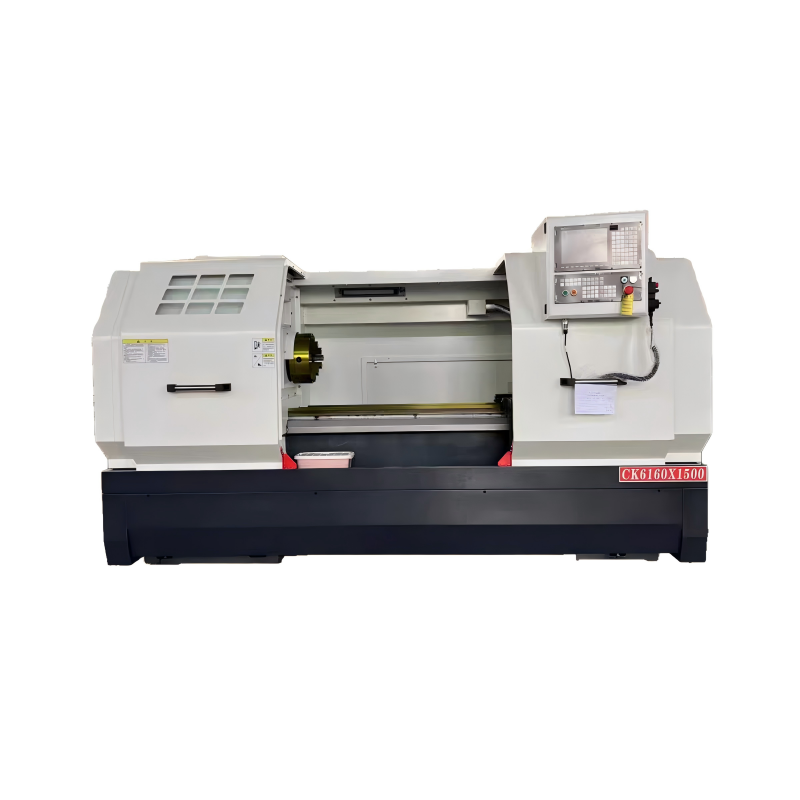
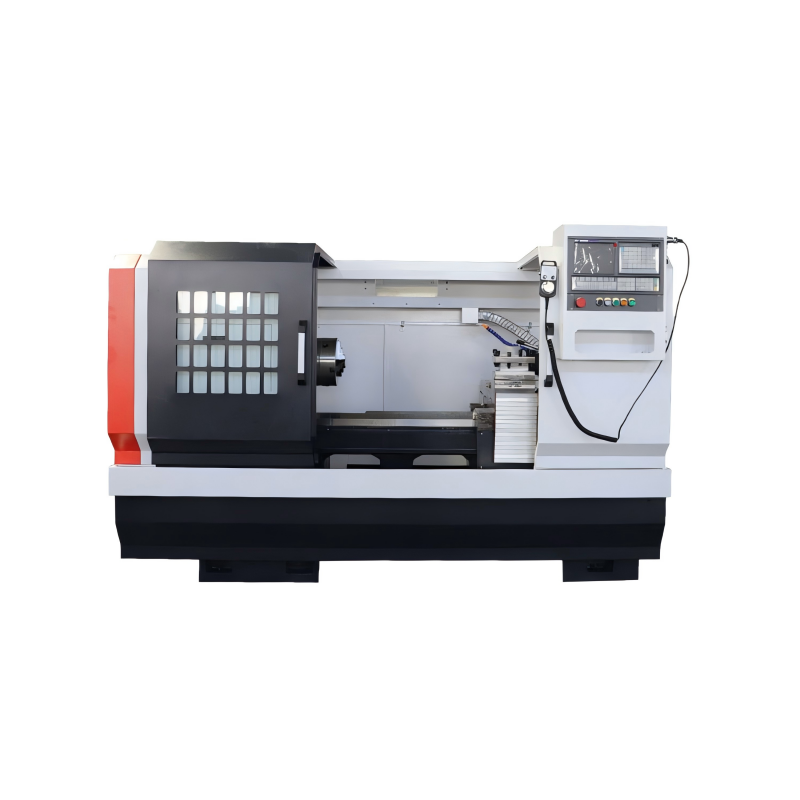
The field of manufacturing has seen significant advancements over the years, with one of the key developments being the introduction and evolution of Computer Numerical Control (CNC) technology. Among the various applications of CNC, the CNC pipe threading lathe stands out as a crucial tool for industries that require precise and efficient pipe threading. This report aims to provide an in-depth understanding of the basics of CNC pipe threading lathe technology, its components, and how it contributes to modern manufacturing processes.
Before delving into the specifics of the CNC pipe threading lathe, it is essential to understand what CNC technology entails. CNC, or Computer Numerical Control, refers to the automation of machine tools through the use of computers executing pre-programmed sequences of control commands. This technology allows for higher precision, repeatability, and productivity compared to manually operated machines. The CNC system typically consists of a computer, a controller, and the machine itself, which can be a milling machine, lathe, router, or in this case, a pipe threading lathe.
A CNC pipe threading lathe is specifically designed for creating threads on pipes, which are used in plumbing, oil and gas, and other industrial applications where fluid or gas needs to be transported under pressure. The primary components of a CNC pipe threading lathe include:
The functionality of a CNC pipe threading lathe is based on the ability of the CNC system to interpret and execute the programmed instructions. The operator inputs the desired specifications, and the CNC system controls the movement of the spindle and the cutting tool to create the thread. This process is highly automated, reducing the need for manual intervention and increasing the efficiency and accuracy of the threading operation.
The adoption of CNC pipe threading lathes in manufacturing offers several advantages over traditional manual methods. Some of the key benefits include:
These advantages make CNC pipe threading lathes a valuable asset in industries that require high-quality, precise, and consistent pipe threading.
CNC pipe threading lathes find applications in a wide range of industries, including but not limited to:
The versatility and precision of CNC pipe threading lathes make them indispensable in these industries, where the quality and reliability of the threads are critical.
To ensure the optimal performance and longevity of a CNC pipe threading lathe, regular maintenance and troubleshooting are essential. Some of the key maintenance tasks include:
In addition to regular maintenance, it is important to have a basic understanding of troubleshooting common issues that may arise. Some common problems and their solutions include:
By following these maintenance and troubleshooting guidelines, you can ensure that your CNC pipe threading lathe remains in top condition and continues to deliver high-quality results.
The CNC pipe threading lathe is a powerful and versatile tool that has revolutionized the way pipes are threaded in various industries. Its ability to produce high-precision, consistent, and efficient threads makes it an indispensable asset in modern manufacturing. By understanding the basics of CNC pipe threading lathe technology, its components, and its applications, manufacturers can leverage this technology to enhance their production processes and meet the demands of their respective industries.
 24/06/2026
In the ever-evolving landscape of industrial manufacturing, the demand for precision and efficiency in large workpiece turning has never been more pronounced. Chinese manufacturers have risen to the challenge, offering a range of advanced CNC pipe threadi
Read More23/06/2026The field of manufacturing has seen significant advancements with the introduction and evolution of Computer Numerical Control (CNC) machines. Among these, the CNC pipe threading lathe stands out as a versatile tool that combines precision, efficiency, an
Read More22/06/2026Introduction to CNC Lathe Technology and Its Impact on ManufacturingThe advent of Computer Numerical Control (CNC) technology has been a game-changer in the manufacturing sector, especially with machines like the CNC pipe threading lathe. This innovation
Read More22/06/2026In the ever-evolving landscape of manufacturing, the integration of advanced machinery is crucial for maintaining a competitive edge. One such machine that has proven to be a game-changer in many workshops is the CNC pipe threading lathe. This article exp
Read More19/06/2026In the realm of industrial manufacturing, the precision and efficiency of large workpiece turning equipment are paramount. China, with its robust engineering sector, has been at the forefront of developing advanced CNC (Computer Numerical Control) pipe th
Read More17/06/2026Understanding the Basics of CNC Pipe Threading LatheThe CNC pipe threading lathe is a sophisticated machine designed to enhance the efficiency and accuracy of pipe threading operations. This technology has revolutionized the way pipes are prepared for con
Read More17/06/2026In the ever-evolving landscape of manufacturing, precision and efficiency are paramount. The advent of Computer Numerical Control (CNC) technology has revolutionized the way we approach machining, with CNC pipe threading lathe being a prime example of how
Read More16/06/2026The advent of advanced CNC (Computer Numerical Control) pipe threading lathe technologies has significantly transformed the manufacturing landscape, particularly in sectors that rely heavily on precision and efficiency. This document aims to explore how t
Read More16/06/2026In the world of precision engineering, a CNC pipe threading lathe is an indispensable tool for creating threads on pipes and other cylindrical parts. These machines are designed to provide high accuracy and repeatability, making them ideal for both small-
Read More16/06/2026The advent of Computer Numerical Control (CNC) technology has significantly transformed various industries, including the plumbing sector. One of the most notable innovations is the CNC pipe threading lathe, which has revolutionized how pipes are threaded
Read More16/06/2026Understanding the Basics of CNC Pipe Threading LathesThe world of machining has seen a significant transformation with the advent of Computer Numerical Control (CNC) technology, which includes the CNC pipe threading lathe. This equipment is specifically d
Read More16/06/2026In the realm of modern machining, the CNC pipe threading lathe stands out as a remarkable innovation, combining precision with efficiency. This report delves into the intricacies of this advanced machinery, exploring its technical specifications, operatio
Read MoreOur professional sales team is always ready to assist you.