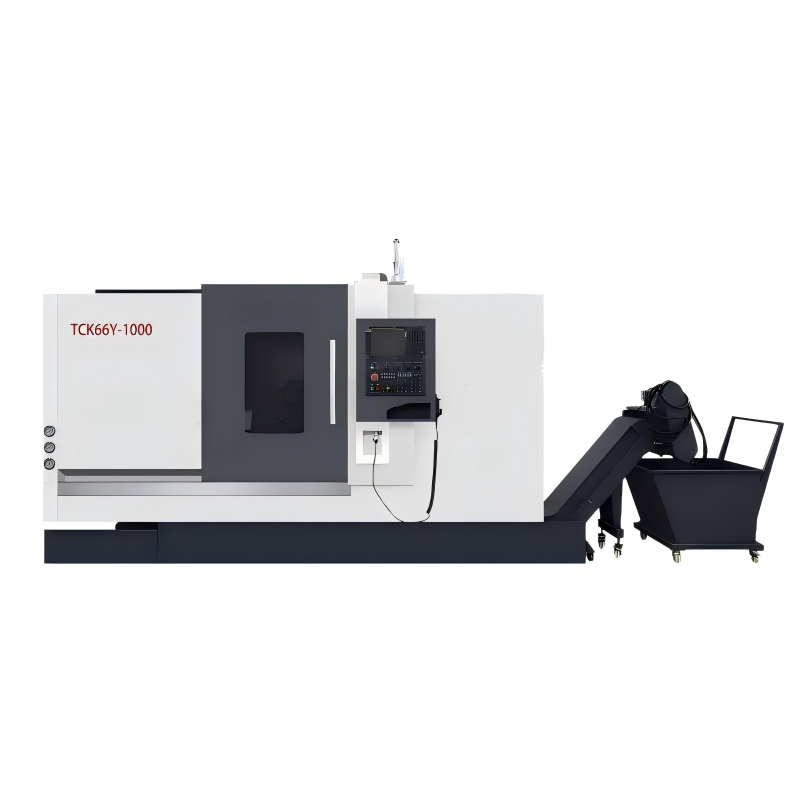
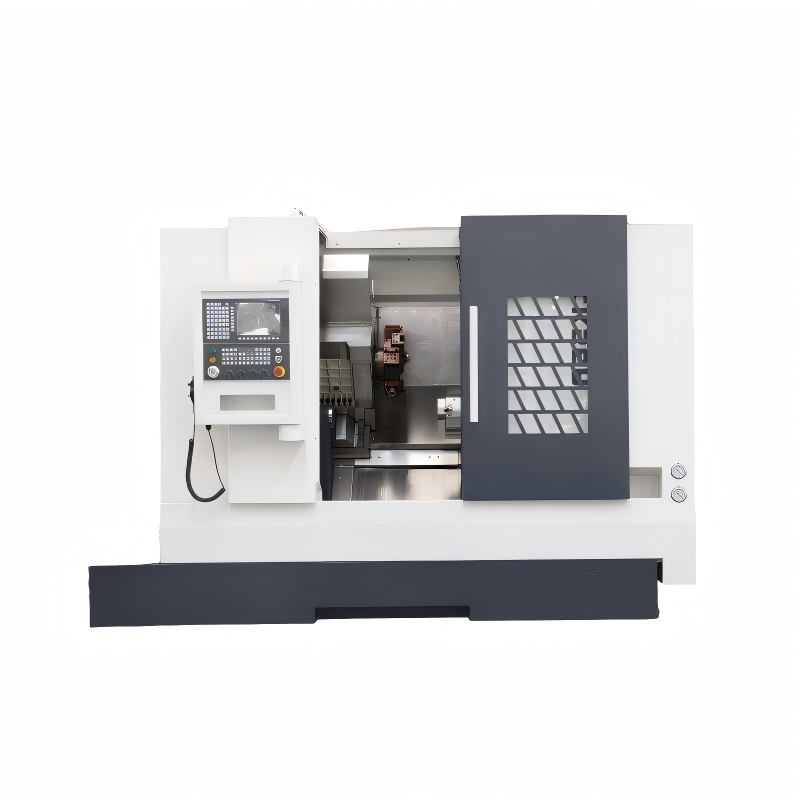
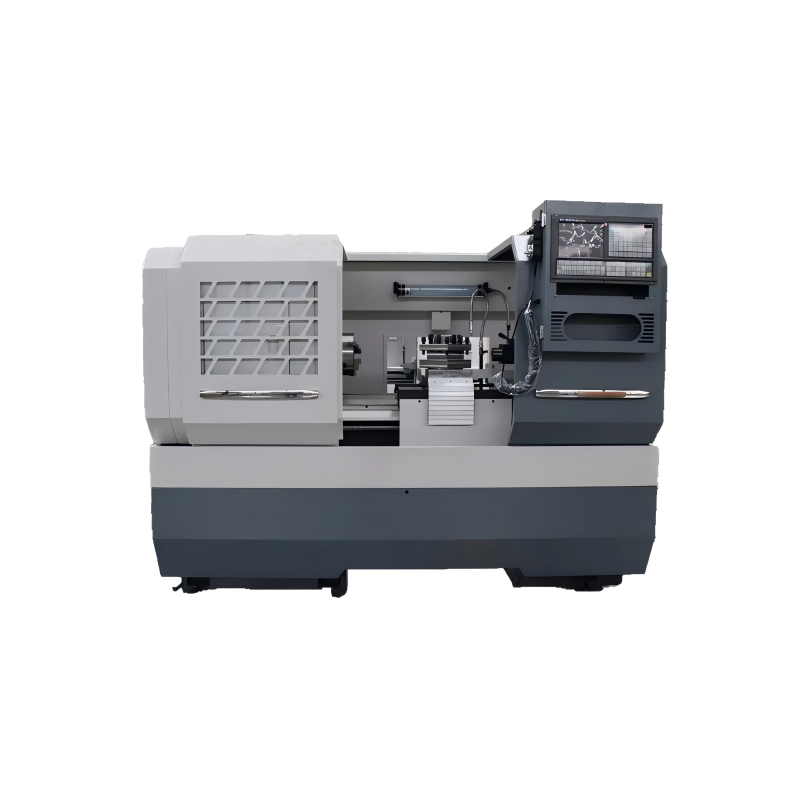
In the realm of modern manufacturing, the Precision Metal Lathe stands out as a cornerstone for achieving high levels of accuracy and efficiency. This report delves into how the integration of such machinery can significantly enhance production processes, focusing on key aspects that make it an indispensable tool in today's industrial landscape.
The introduction of a Precision Metal Lathe into a manufacturing environment immediately boosts production speed without compromising on quality. Unlike traditional lathes, precision models are designed with advanced control systems that allow for rapid yet precise adjustments. This capability is particularly beneficial in high-volume production settings where maintaining consistent output rates is crucial. The ability to quickly set up and change over between different tasks means less downtime and more efficient use of resources. Additionally, the consistency provided by these machines ensures that each piece produced meets the same high standards, reducing the likelihood of defects and rework, which can be costly and time-consuming.
One of the most significant advantages of using a Precision Metal Lathe lies in its capacity to optimize material usage. These lathes are equipped with state-of-the-art cutting tools and software that enable operators to maximize the amount of usable product from raw materials. By minimizing waste, companies not only save on costs but also contribute positively towards environmental sustainability. Furthermore, the precision afforded by these machines allows for tighter tolerances, meaning parts can be made exactly to specification, further reducing scrap and reprocessing needs. This level of efficiency is especially important in industries dealing with expensive or rare metals, where even small improvements in material utilization can lead to substantial savings.
Another critical aspect of the Precision Metal Lathe is its ability to handle complex geometries and intricate designs. With the advent of CNC (Computer Numerical Control) technology, these lathes have become increasingly versatile, capable of executing a wide range of operations including turning, facing, threading, and drilling, all with exceptional accuracy. This versatility makes them ideal for producing components used in aerospace, automotive, and medical device manufacturing, among other sectors. The capability to manufacture parts with complex profiles directly translates into shorter lead times and reduced dependency on external suppliers, thereby enhancing overall operational agility and competitiveness.
Safety is paramount in any manufacturing setting, and the Precision Metal Lathe contributes significantly to creating a safer work environment. Modern lathes come equipped with various safety features, such as emergency stop buttons, automatic shut-off mechanisms, and enclosed guarding, which help prevent accidents. Moreover, the automation capabilities of these machines reduce the need for manual intervention, thereby lowering the risk of human error. This not only improves the safety conditions for workers but also enhances the reliability of the manufacturing process, leading to higher quality products and fewer production delays due to errors or accidents.
Adopting a Precision Metal Lathe represents a strategic investment for businesses aiming to stay competitive in an ever-evolving market. By improving production speed, consistency, and material utilization, while also facilitating the manufacture of complex parts and enhancing operator safety, these machines offer a comprehensive solution to many of the challenges faced by modern manufacturers. As technology continues to advance, the role of precision metal lathes in driving innovation and efficiency will only become more pronounced, making them an essential asset for any forward-thinking company.
 24/06/2026
In the world of manufacturing and machining, precision is not just a desirable trait; it is an absolute necessity. One tool that stands out for its ability to deliver high-precision results is the Precision Metal Lathe. This article will explore why a Pre
Read More24/06/2026A precision metal lathe is a fundamental tool in the manufacturing industry, renowned for its ability to produce highly accurate and intricate components. To ensure optimal performance and longevity, regular maintenance is essential. This guide provides a
Read More24/06/2026In the realm of manufacturing, precision and efficiency are key to staying competitive. One tool that has consistently proven its worth in achieving both these goals is the Precision Metal Lathe. This piece of machinery, with its advanced features, not on
Read More23/06/2026The precision metal lathe is an indispensable tool in the field of manufacturing, known for its ability to produce parts with high accuracy and fine finishes. This article aims to explore the capabilities of a Precision Metal Lathe, providing insights int
Read More23/06/2026IntroductionThe advent of the precision metal lathe has revolutionized the way high-tech industries manufacture components, leading to significant advancements in product quality and efficiency. These machines, characterized by their ability to produce pa
Read More23/06/2026A precision metal lathe is an essential tool for any workshop that requires high-accuracy machining. Selecting the right one can be a daunting task, given the wide range of options available in the market. This technical report aims to guide you through t
Read More23/06/2026The advent of precision metal lathes has revolutionized the way modern manufacturing operates, enabling greater accuracy, efficiency, and versatility in the production of complex components. This report delves into the capabilities of precision metal lath
Read MoreOur professional sales team is always ready to assist you.