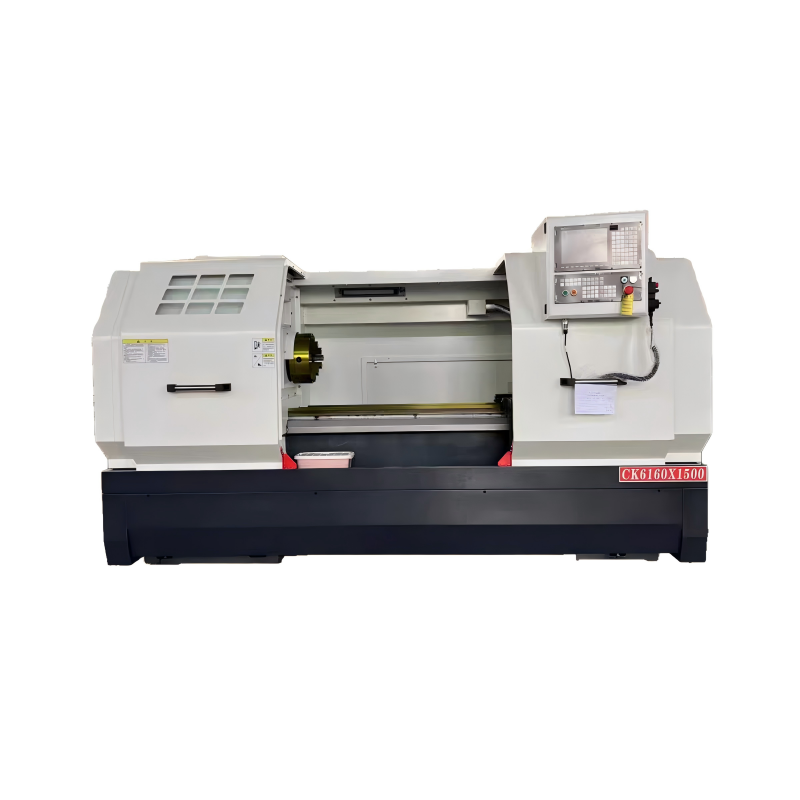
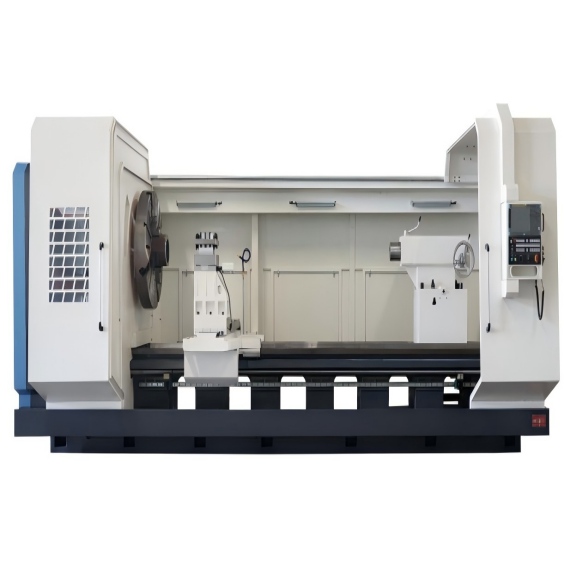
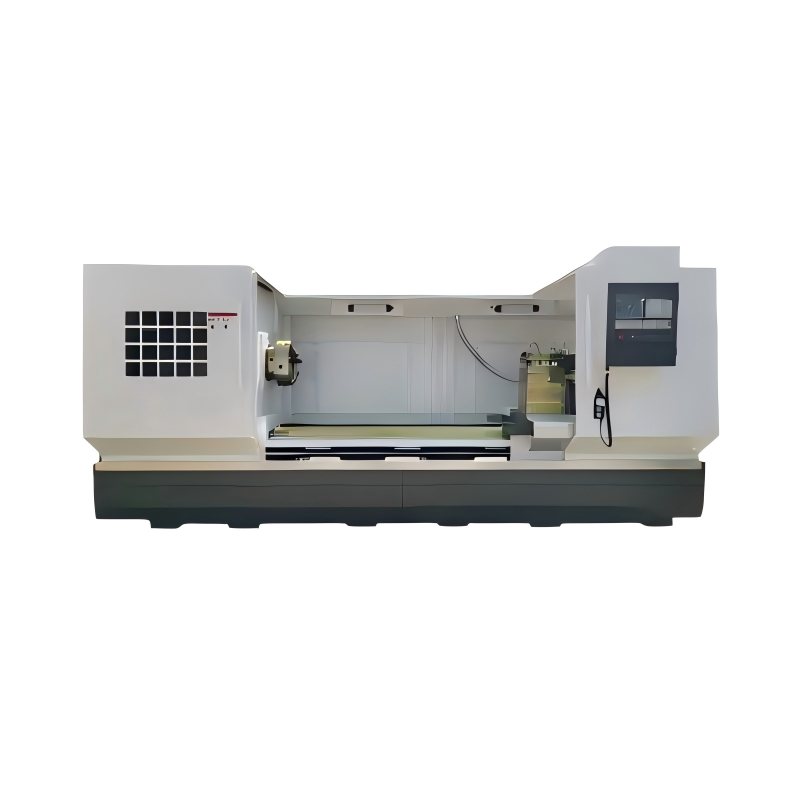
A precision metal lathe is a fundamental tool in the manufacturing industry, renowned for its ability to produce highly accurate and intricate components. To ensure optimal performance and longevity, regular maintenance is essential. This guide provides an in-depth look at maintaining your Precision Metal Lathe, covering key aspects from basic cleaning to more complex adjustments.
Before diving into maintenance procedures, it's crucial to understand the various parts that make up a precision metal lathe. These include the headstock, tailstock, carriage, bed, and cutting tools. Each component plays a vital role in the overall functionality of the machine. The headstock houses the main spindle, which rotates the workpiece, while the tailstock supports the other end of the workpiece. The carriage, including the cross slide and compound rest, allows for precise movement of the cutting tool along the workpiece. Understanding these components will help you identify potential issues and perform targeted maintenance.
One of the most basic yet critical aspects of maintaining a precision metal lathe is regular cleaning and lubrication. Dust, chips, and other debris can accumulate on the machine, leading to reduced accuracy and increased wear. Begin by wiping down all surfaces with a clean, dry cloth. Pay special attention to areas around the ways, where dirt and chips can interfere with smooth operation. After cleaning, apply a high-quality lubricant to all moving parts, such as the lead screws, ways, and bearings. Proper lubrication reduces friction, prevents corrosion, and ensures smooth, consistent performance.
Calibration and alignment are essential for maintaining the precision of your metal lathe. Over time, the machine can become misaligned due to wear, temperature changes, or improper use. Regularly check the alignment of the headstock, tailstock, and carriage. Use a dial indicator to measure any deviations and make necessary adjustments. Additionally, calibrate the spindle to ensure it runs true. Misalignment can result in poor quality cuts and premature wear on the machine. By keeping your lathe properly calibrated and aligned, you can maintain its accuracy and extend its lifespan.
Wear and tear are inevitable in any mechanical system, and a precision metal lathe is no exception. Regular inspection of wear parts, such as belts, gears, and bearings, is crucial. Look for signs of damage, such as cracks, excessive wear, or unusual noise. Replace any worn or damaged parts promptly to prevent further damage to the machine. Additionally, inspect the cutting tools for dullness or chipping. Dull tools not only produce poor quality cuts but also put additional strain on the machine. Regularly sharpening or replacing cutting tools will ensure consistent and accurate results.
Despite regular maintenance, issues can still arise. Being able to troubleshoot common problems is a valuable skill. Some common issues include vibrations, overheating, and inaccurate cuts. Vibrations can be caused by loose components or unbalanced loads. Check all bolts and clamps to ensure they are tight, and balance the load if necessary. Overheating may be due to insufficient lubrication or clogged cooling systems. Ensure that all cooling passages are clear and that the machine is adequately lubricated. Inaccurate cuts can be the result of misalignment or worn cutting tools. Re-calibrate the machine and replace or sharpen the cutting tools as needed.
To ensure that your precision metal lathe remains in top condition, it's important to establish a regular maintenance schedule. This should include daily, weekly, monthly, and annual tasks. Daily tasks might include cleaning and lubrication, while weekly tasks could involve checking for loose components and inspecting wear parts. Monthly tasks might include a more thorough cleaning and calibration, and annual tasks could involve a comprehensive inspection and replacement of worn parts. By following a structured maintenance schedule, you can catch and address issues before they become major problems, ensuring the longevity and reliability of your machine.
Maintaining your Precision Metal Lathe is a multifaceted process that requires attention to detail and a proactive approach. By understanding the components, performing regular cleaning and lubrication, ensuring proper calibration and alignment, inspecting and replacing wear parts, troubleshooting common issues, and creating a maintenance schedule, you can keep your lathe in optimal condition. This not only extends the life of your machine but also ensures the production of high-quality, precise components.
 24/06/2026
In the realm of modern manufacturing, the Precision Metal Lathe stands out as a cornerstone for achieving high levels of accuracy and efficiency. This report delves into how the integration of such machinery can significantly enhance production processes,
Read More24/06/2026In the world of manufacturing and machining, precision is not just a desirable trait; it is an absolute necessity. One tool that stands out for its ability to deliver high-precision results is the Precision Metal Lathe. This article will explore why a Pre
Read More24/06/2026In the realm of manufacturing, precision and efficiency are key to staying competitive. One tool that has consistently proven its worth in achieving both these goals is the Precision Metal Lathe. This piece of machinery, with its advanced features, not on
Read More23/06/2026The precision metal lathe is an indispensable tool in the field of manufacturing, known for its ability to produce parts with high accuracy and fine finishes. This article aims to explore the capabilities of a Precision Metal Lathe, providing insights int
Read More23/06/2026IntroductionThe advent of the precision metal lathe has revolutionized the way high-tech industries manufacture components, leading to significant advancements in product quality and efficiency. These machines, characterized by their ability to produce pa
Read More23/06/2026A precision metal lathe is an essential tool for any workshop that requires high-accuracy machining. Selecting the right one can be a daunting task, given the wide range of options available in the market. This technical report aims to guide you through t
Read More23/06/2026The advent of precision metal lathes has revolutionized the way modern manufacturing operates, enabling greater accuracy, efficiency, and versatility in the production of complex components. This report delves into the capabilities of precision metal lath
Read MoreOur professional sales team is always ready to assist you.