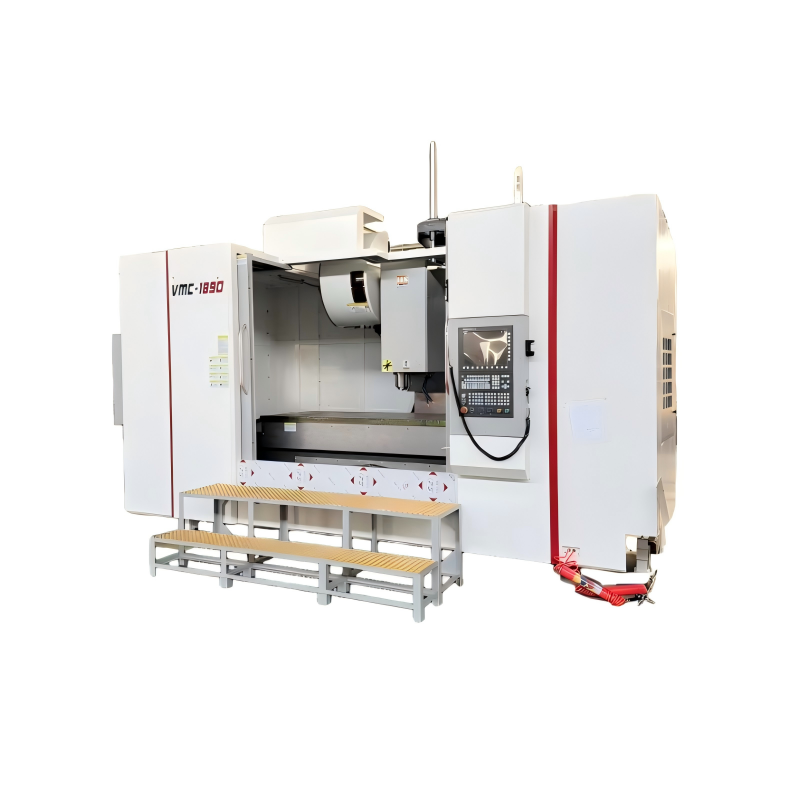
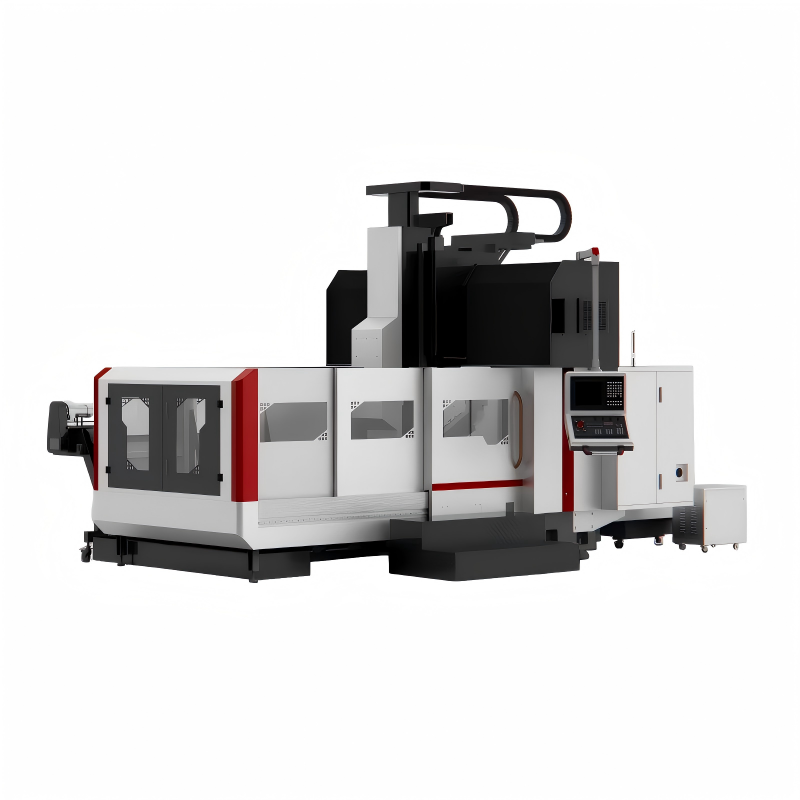
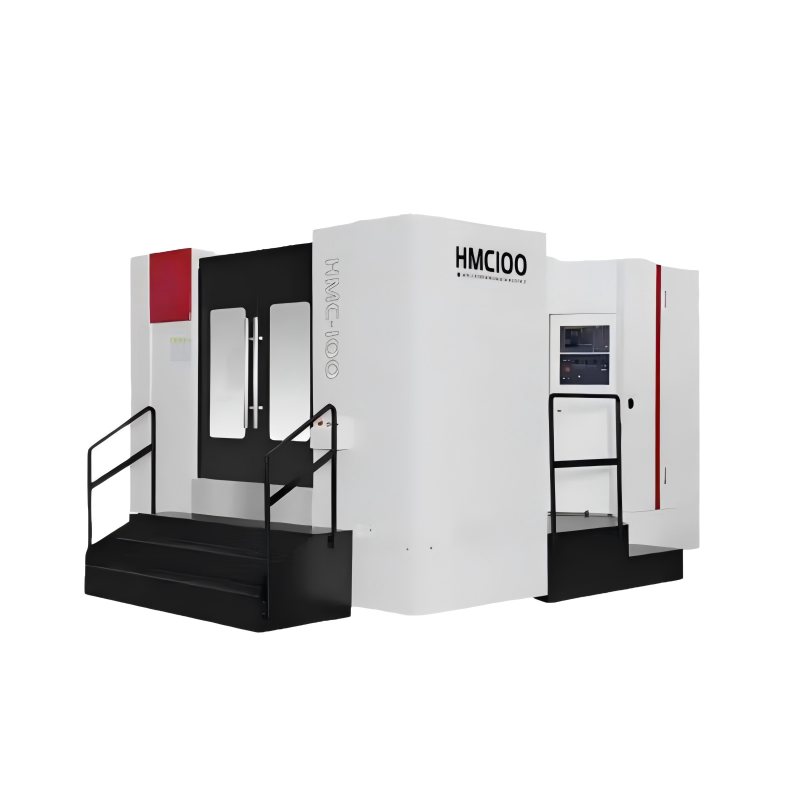
Introduction
The precision metal lathe is a fundamental tool in the world of machining, enabling the creation of intricate and precise components. This comprehensive guide aims to provide an in-depth understanding of how to effectively use a Precision Metal Lathe, covering everything from basic setup to advanced techniques. By the end of this guide, readers will be equipped with the knowledge needed to operate a precision metal lathe safely and efficiently.
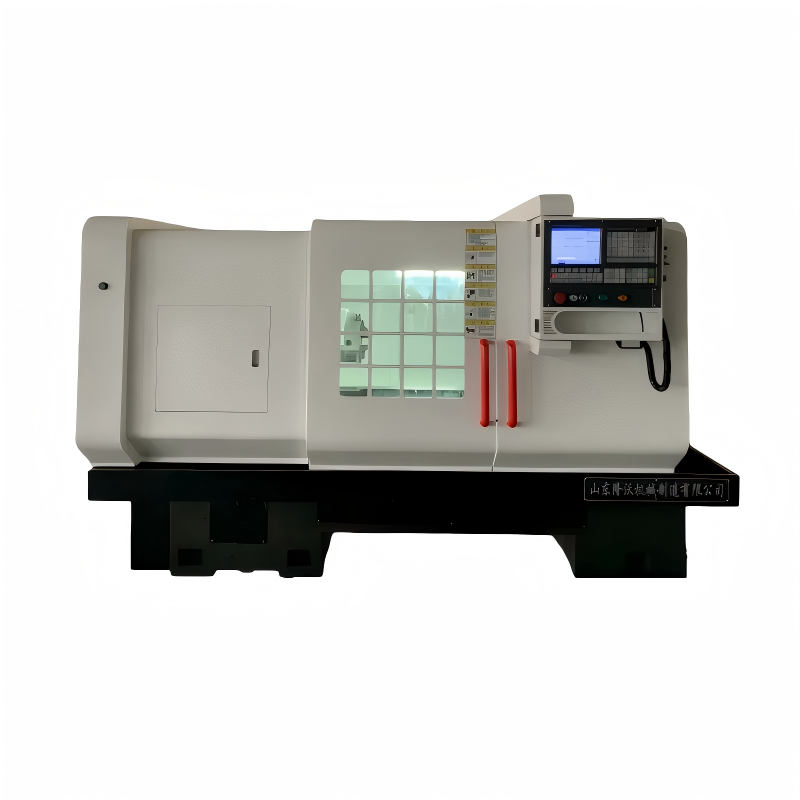
A Precision Metal Lathe is designed to produce high-accuracy parts by rotating a workpiece against a cutting tool. The lathe's ability to maintain tight tolerances makes it indispensable in industries such as aerospace, automotive, and medical device manufacturing. To get the most out of your machine, it’s essential to understand its key components and their functions. The main parts include the headstock, tailstock, carriage, and bed. Each component plays a crucial role in the machining process, and familiarity with these parts is the first step towards mastering the lathe.
Additionally, the selection of appropriate tools and materials is vital. Different types of metals and alloys require specific cutting tools and speeds to achieve the desired finish and accuracy. Understanding the properties of the material you are working with, as well as the capabilities of your lathe, is critical for successful machining.
Proper setup is the foundation of any successful machining operation. Before starting, ensure that the lathe is securely mounted on a stable surface. The alignment of the headstock and tailstock is crucial; any misalignment can lead to inaccuracies in the final product. Use a dial indicator to check and adjust the alignment if necessary. The carriage should move smoothly along the bed without any play or wobble.
Next, set up the workpiece. Properly securing the workpiece is essential to prevent movement during machining, which can result in poor quality parts. For cylindrical workpieces, the chuck is the most common method of holding the piece. Ensure that the jaws of the chuck are properly aligned and tightened to avoid slippage. For longer or more irregularly shaped pieces, the use of a steady rest or follower rest may be necessary to provide additional support.
Finally, select the appropriate cutting tool and insert it into the tool post. The tool should be firmly secured and positioned correctly relative to the workpiece. Adjust the speed and feed rates according to the material and the type of cut you are making. A good rule of thumb is to start with conservative settings and gradually increase as you become more comfortable with the machine.
Once you have mastered the basics, you can begin to explore more advanced techniques to achieve even higher levels of precision. One such technique is the use of digital readouts (DROs). DROs provide real-time feedback on the position of the carriage and cross-slide, allowing for extremely accurate positioning and repeatability. This is particularly useful when making multiple identical parts or when very tight tolerances are required.
Another advanced technique is the use of coolant. Coolant not only helps to keep the cutting tool and workpiece at a stable temperature but also improves the surface finish and extends the life of the tool. There are various types of coolants available, including water-soluble oils, synthetic coolants, and straight oils. The choice of coolant depends on the material being machined and the type of cut being made.
For even greater precision, consider using a CNC (Computer Numerical Control) system. CNC Lathes are capable of producing highly complex and precise parts with minimal human intervention. They use pre-programmed instructions to control the lathe, ensuring consistent and repeatable results. While the initial setup and programming can be time-consuming, the benefits in terms of accuracy and efficiency make it a worthwhile investment for many applications.
Regular maintenance is essential to keep your Precision Metal Lathe in optimal condition. This includes cleaning the machine after each use, lubricating moving parts, and checking for wear and tear. Regularly inspect the belts, bearings, and other mechanical components for signs of damage or excessive wear. Replacing worn parts promptly can prevent more serious issues down the line.
If you encounter problems during operation, there are several troubleshooting steps you can take. If the lathe is producing rough or inaccurate cuts, check the alignment of the headstock and tailstock, as well as the condition of the cutting tool. If the carriage or cross-slide is not moving smoothly, check for debris or obstructions and ensure that all components are properly lubricated. In some cases, adjusting the speed and feed rates may also help to resolve issues.
It’s also important to keep detailed records of your maintenance and troubleshooting activities. This can help you identify patterns and potential issues before they become major problems. Additionally, keeping a log of your machining operations, including the settings and results, can be invaluable for future reference and for improving your processes over time.
Safety should always be a top priority when operating a Precision Metal Lathe. Wear appropriate personal protective equipment (PPE), including safety glasses, gloves, and hearing protection. Ensure that loose clothing and long hair are secured to prevent entanglement with the machine. Always follow the manufacturer’s guidelines for safe operation, and never bypass or disable safety features.
Before starting the lathe, make sure that all guards and safety devices are in place and functioning correctly. Keep the work area clean and free of clutter to reduce the risk of accidents. When loading or unloading the workpiece, ensure that the lathe is turned off and the chuck is securely locked. Never attempt to make adjustments or clear debris while the lathe is in operation.
In case of an emergency, know the location and operation of the emergency stop button. Regularly review and practice emergency procedures with all operators to ensure a quick and effective response in the event of an incident. By following these safety guidelines, you can minimize the risk of injury and create a safer working environment for everyone involved.
Conclusion
Mastering the use of a Precision Metal Lathe requires a combination of theoretical knowledge, practical experience, and a commitment to safety. By understanding the basics, setting up the machine correctly, and employing advanced techniques, you can achieve high levels of precision and efficiency in your machining operations. Regular maintenance and adherence to safety protocols are equally important to ensure the longevity and reliability of your lathe. With the right approach and dedication, you can unlock the full potential of your Precision Metal Lathe and produce high-quality parts with confidence.
 29/06/2026
The evolution of technology has significantly influenced various sectors, including the manufacturing industry. One particular area that has seen remarkable advancements is the field of precision metal lathes. These machines, critical for producing high-a
Read More27/06/2026Choosing the right precision metal lathe is a critical decision for any workshop, whether it's a small hobbyist setup or a large-scale manufacturing facility. The selection process involves understanding your specific needs, the capabilities of different
Read More27/06/2026Understanding the Basics of Precision Metal LathesThe precision metal lathe is a fundamental tool in modern manufacturing, allowing for the creation of intricate and highly accurate parts. These machines are designed to work with a wide range of materials
Read More27/06/2026In the realm of manufacturing and engineering, precision metal lathes are indispensable tools that enable the production of highly accurate components. These machines, known for their ability to achieve tight tolerances, are crucial in various industries,
Read More27/06/2026A precision metal lathe is an indispensable tool for anyone looking to craft precise and intricate metal components. Whether you're a hobbyist or a professional, understanding the basics of operating such a machine can greatly enhance your ability to prod
Read More26/06/2026A precision metal lathe is an indispensable tool in the manufacturing and machining industry, offering unparalleled accuracy and versatility. This article delves into the key features one should consider when selecting a precision metal lathe, ensuring th
Read More26/06/2026The advancements in manufacturing technology have led to the development of increasingly sophisticated machinery, with precision metal lathes being a prime example. These machines play a crucial role in the production of high-accuracy components, making t
Read More26/06/2026In the realm of modern manufacturing, the precision metal lathe stands as a cornerstone technology, enabling the creation of intricate and highly accurate components. As we look towards the future, it is essential to understand how this field is evolving,
Read More26/06/2026A precision metal lathe is an indispensable tool in the field of machining, used for creating intricate and highly accurate components. This article delves into the key components that make up a precision metal lathe, explaining their functions and import
Read More25/06/2026The Importance of Precision in MetalworkingIn the world of metalworking, precision is not just a desirable trait; it's an absolute necessity. A Precision Metal Lathe embodies this requirement, providing a level of accuracy that is crucial for the producti
Read More25/06/2026The art of metal turning, a cornerstone in the manufacturing and engineering industries, has been revolutionized by advancements in machinery. At the heart of this transformation lies the Precision Metal Lathe, an essential tool for achieving unparalleled
Read More25/06/2026Enhanced Accuracy and ConsistencyA Precision Metal Lathe is a fundamental tool in modern metalworking, offering unparalleled accuracy and consistency. Unlike traditional lathes, precision metal lathes are designed with advanced features that ensure every
Read More25/06/2026The development of the precision metal lathe has been a cornerstone in the evolution of manufacturing processes, significantly impacting various industries. This report delves into how advancements in precision metal lathes have transformed production cap
Read More24/06/2026In the realm of modern manufacturing, the Precision Metal Lathe stands out as a cornerstone for achieving high levels of accuracy and efficiency. This report delves into how the integration of such machinery can significantly enhance production processes,
Read More24/06/2026In the world of manufacturing and machining, precision is not just a desirable trait; it is an absolute necessity. One tool that stands out for its ability to deliver high-precision results is the Precision Metal Lathe. This article will explore why a Pre
Read More24/06/2026A precision metal lathe is a fundamental tool in the manufacturing industry, renowned for its ability to produce highly accurate and intricate components. To ensure optimal performance and longevity, regular maintenance is essential. This guide provides a
Read More24/06/2026In the realm of manufacturing, precision and efficiency are key to staying competitive. One tool that has consistently proven its worth in achieving both these goals is the Precision Metal Lathe. This piece of machinery, with its advanced features, not on
Read More23/06/2026The precision metal lathe is an indispensable tool in the field of manufacturing, known for its ability to produce parts with high accuracy and fine finishes. This article aims to explore the capabilities of a Precision Metal Lathe, providing insights int
Read More23/06/2026IntroductionThe advent of the precision metal lathe has revolutionized the way high-tech industries manufacture components, leading to significant advancements in product quality and efficiency. These machines, characterized by their ability to produce pa
Read More23/06/2026A precision metal lathe is an essential tool for any workshop that requires high-accuracy machining. Selecting the right one can be a daunting task, given the wide range of options available in the market. This technical report aims to guide you through t
Read More23/06/2026The advent of precision metal lathes has revolutionized the way modern manufacturing operates, enabling greater accuracy, efficiency, and versatility in the production of complex components. This report delves into the capabilities of precision metal lath
Read MoreOur professional sales team is always ready to assist you.