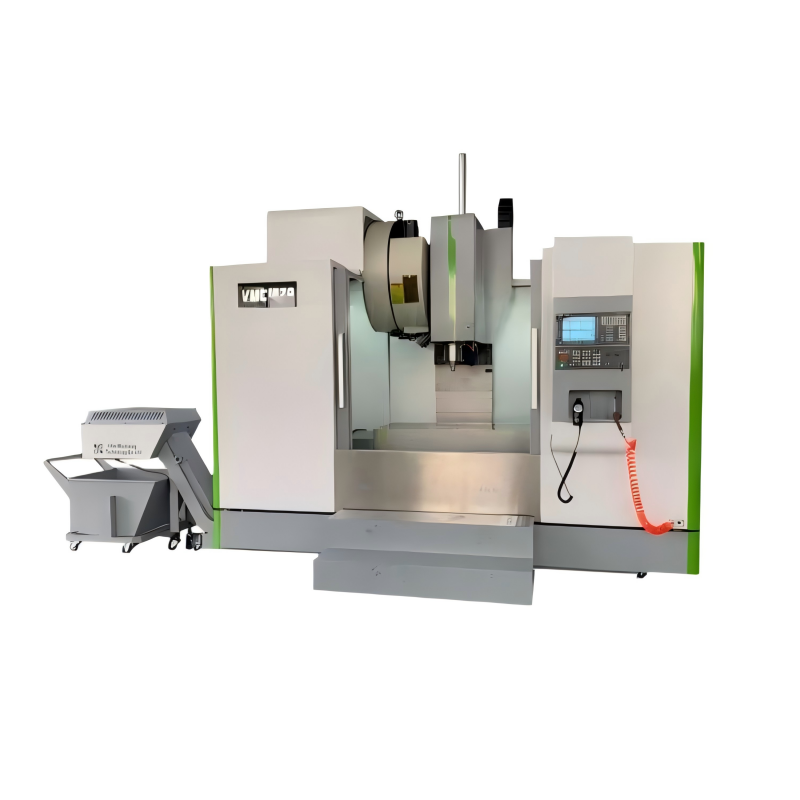
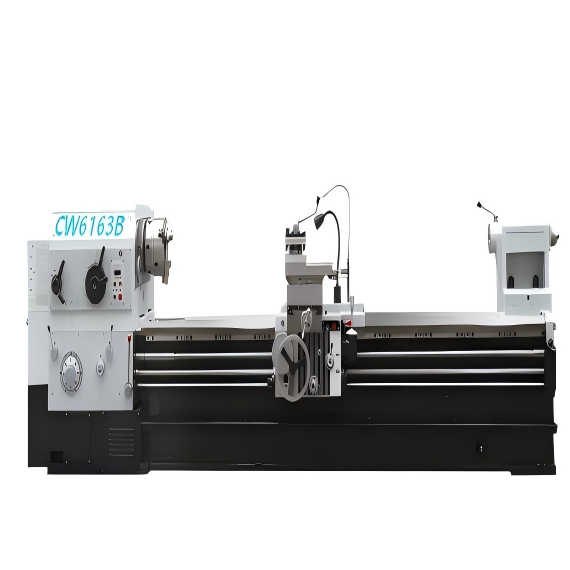
The precision metal lathe is a fundamental tool in modern manufacturing, allowing for the creation of intricate and highly accurate parts. These machines are designed to work with a wide range of materials, from aluminum and steel to more exotic alloys. The primary function of a precision metal lathe is to shape a piece of material by rotating it against cutting tools, which can be precisely controlled to achieve very fine tolerances. This process is crucial in industries such as aerospace, automotive, and medical devices, where even the slightest deviation from specifications can lead to catastrophic failures.
One key aspect that sets precision metal lathes apart from their less precise counterparts is the level of control over the cutting process. Modern CNC (Computer Numerical Control) lathes, for instance, use advanced software to direct the movements of the machine, enabling operators to program complex sequences of operations with ease. This not only increases efficiency but also significantly reduces the potential for human error, making these machines indispensable in high-precision applications.
When comparing different types of precision metal lathes, several features stand out as critical for achieving optimal performance. One of the most important considerations is the spindle speed and torque. A higher spindle speed allows for faster cutting, which can be particularly beneficial when working with softer materials or when aiming to increase production rates. However, it's equally important to have sufficient torque, especially when dealing with harder materials or performing heavy cuts. The right balance between speed and torque will depend on the specific application and the type of material being worked on.
Another essential feature is the accuracy and repeatability of the machine. High-precision lathes should be capable of maintaining tight tolerances consistently over long periods. This is often achieved through the use of high-quality bearings, rigid construction, and advanced feedback systems. Additionally, the ability to perform multiple operations without repositioning the workpiece is a significant advantage, as it minimizes setup times and reduces the risk of misalignment.
Control systems also play a vital role in determining the overall performance of a precision metal lathe. CNC controls offer unparalleled flexibility and precision, allowing for the execution of complex machining processes with minimal operator intervention. Moreover, modern CNC systems often come equipped with features like automatic tool changers, coolant systems, and real-time monitoring, all of which contribute to improved productivity and part quality.
To better understand the differences between various models of precision metal lathes, let's take a closer look at some of the leading options available in the market today. One popular choice is the Haas SL-10, known for its robust construction and user-friendly interface. This model offers a maximum spindle speed of 6,000 RPM and a powerful 15 HP motor, making it suitable for a wide range of applications. The Haas SL-10 also comes with a 12-station automatic tool changer, which significantly enhances its versatility and efficiency.
Another noteworthy option is the Okuma LB-3000 EX, which is renowned for its exceptional accuracy and reliability. This lathe features a 4,000 RPM spindle speed and a 15 HP motor, providing a good balance between power and precision. The Okuma LB-3000 EX is also equipped with the OSP-P300R control system, which offers advanced programming capabilities and real-time monitoring, ensuring consistent performance and high-quality results.
For those looking for a more compact solution, the DMG Mori NLX 2500/700 is an excellent choice. This model boasts a maximum spindle speed of 5,000 RPM and a 15 HP motor, making it well-suited for smaller, high-precision components. The DMG Mori NLX 2500/700 also features a 12-station tool turret and a fully enclosed design, which helps to maintain a clean and controlled working environment. The Celos control system, included with this model, provides intuitive operation and advanced data management, further enhancing its appeal.
Selecting the right precision metal lathe for your specific needs requires careful consideration of various factors, including spindle speed, torque, accuracy, and control systems. By understanding the key features and capabilities of different models, you can make an informed decision that will optimize your production processes and ensure the highest quality output. Whether you opt for a robust, versatile model like the Haas SL-10, a highly accurate and reliable option like the Okuma LB-3000 EX, or a compact and efficient solution like the DMG Mori NLX 2500/700, the right precision metal lathe will undoubtedly be a valuable asset to your manufacturing operations.
 27/06/2026
Choosing the right precision metal lathe is a critical decision for any workshop, whether it's a small hobbyist setup or a large-scale manufacturing facility. The selection process involves understanding your specific needs, the capabilities of different
Read More27/06/2026In the realm of manufacturing and engineering, precision metal lathes are indispensable tools that enable the production of highly accurate components. These machines, known for their ability to achieve tight tolerances, are crucial in various industries,
Read More27/06/2026A precision metal lathe is an indispensable tool for anyone looking to craft precise and intricate metal components. Whether you're a hobbyist or a professional, understanding the basics of operating such a machine can greatly enhance your ability to prod
Read More26/06/2026A precision metal lathe is an indispensable tool in the manufacturing and machining industry, offering unparalleled accuracy and versatility. This article delves into the key features one should consider when selecting a precision metal lathe, ensuring th
Read More26/06/2026The advancements in manufacturing technology have led to the development of increasingly sophisticated machinery, with precision metal lathes being a prime example. These machines play a crucial role in the production of high-accuracy components, making t
Read More26/06/2026In the realm of modern manufacturing, the precision metal lathe stands as a cornerstone technology, enabling the creation of intricate and highly accurate components. As we look towards the future, it is essential to understand how this field is evolving,
Read More26/06/2026A precision metal lathe is an indispensable tool in the field of machining, used for creating intricate and highly accurate components. This article delves into the key components that make up a precision metal lathe, explaining their functions and import
Read More25/06/2026The Importance of Precision in MetalworkingIn the world of metalworking, precision is not just a desirable trait; it's an absolute necessity. A Precision Metal Lathe embodies this requirement, providing a level of accuracy that is crucial for the producti
Read More25/06/2026The art of metal turning, a cornerstone in the manufacturing and engineering industries, has been revolutionized by advancements in machinery. At the heart of this transformation lies the Precision Metal Lathe, an essential tool for achieving unparalleled
Read More25/06/2026Enhanced Accuracy and ConsistencyA Precision Metal Lathe is a fundamental tool in modern metalworking, offering unparalleled accuracy and consistency. Unlike traditional lathes, precision metal lathes are designed with advanced features that ensure every
Read More25/06/2026The development of the precision metal lathe has been a cornerstone in the evolution of manufacturing processes, significantly impacting various industries. This report delves into how advancements in precision metal lathes have transformed production cap
Read More24/06/2026In the realm of modern manufacturing, the Precision Metal Lathe stands out as a cornerstone for achieving high levels of accuracy and efficiency. This report delves into how the integration of such machinery can significantly enhance production processes,
Read More24/06/2026In the world of manufacturing and machining, precision is not just a desirable trait; it is an absolute necessity. One tool that stands out for its ability to deliver high-precision results is the Precision Metal Lathe. This article will explore why a Pre
Read More24/06/2026A precision metal lathe is a fundamental tool in the manufacturing industry, renowned for its ability to produce highly accurate and intricate components. To ensure optimal performance and longevity, regular maintenance is essential. This guide provides a
Read More24/06/2026In the realm of manufacturing, precision and efficiency are key to staying competitive. One tool that has consistently proven its worth in achieving both these goals is the Precision Metal Lathe. This piece of machinery, with its advanced features, not on
Read More23/06/2026The precision metal lathe is an indispensable tool in the field of manufacturing, known for its ability to produce parts with high accuracy and fine finishes. This article aims to explore the capabilities of a Precision Metal Lathe, providing insights int
Read More23/06/2026IntroductionThe advent of the precision metal lathe has revolutionized the way high-tech industries manufacture components, leading to significant advancements in product quality and efficiency. These machines, characterized by their ability to produce pa
Read More23/06/2026A precision metal lathe is an essential tool for any workshop that requires high-accuracy machining. Selecting the right one can be a daunting task, given the wide range of options available in the market. This technical report aims to guide you through t
Read More23/06/2026The advent of precision metal lathes has revolutionized the way modern manufacturing operates, enabling greater accuracy, efficiency, and versatility in the production of complex components. This report delves into the capabilities of precision metal lath
Read MoreOur professional sales team is always ready to assist you.