A precision metal lathe is an indispensable tool in the field of machining, used for creating intricate and highly accurate components. This article delves into the key components that make up a precision metal lathe, explaining their functions and importance in achieving high-quality machined parts.
Understanding the Role of the Headstock
The headstock is one of the most critical components of a precision metal lathe. It houses the main spindle, which rotates the workpiece during the machining process. The headstock is responsible for providing the necessary power and speed to the spindle, ensuring that the workpiece is rotated at the correct RPM (revolutions per minute). The spindle is supported by high-precision bearings, which minimize vibration and ensure smooth operation. Additionally, the headstock often includes features such as a variable-speed motor, allowing operators to adjust the spindle speed to suit different materials and cutting conditions. The stability and accuracy of the headstock are crucial for maintaining the overall precision of the lathe.
The Tailstock: A Versatile Support System
The tailstock is another essential component of a precision metal lathe, located opposite the headstock. Its primary function is to support the workpiece, particularly when it is long or requires additional stability. The tailstock can be adjusted along the bed of the lathe, allowing it to be positioned precisely where needed. It typically includes a quill, which can be extended or retracted to apply pressure to the workpiece. The quill is also capable of holding various tools, such as drills or centers, making the tailstock a versatile component. The ability to fine-tune the position and pressure applied by the tailstock is vital for achieving precise and consistent results, especially in operations like drilling or turning long shafts.
The Carriage: Guiding the Cutting Tool
The carriage is the component that moves the cutting tool along the length of the workpiece. It consists of several sub-components, including the saddle, cross-slide, and compound rest. The saddle is the base of the carriage, which slides along the ways (guideways) on the lathe bed. The cross-slide, mounted on the saddle, allows for lateral movement, while the compound rest, attached to the cross-slide, provides additional angular adjustment. This combination of movements enables the operator to position the cutting tool with high precision, making it possible to perform a wide range of machining operations, from simple turning to complex contouring. The accuracy and smoothness of the carriage's motion are critical for achieving the desired surface finish and dimensional accuracy of the machined part.
The Bed: The Foundation of Precision
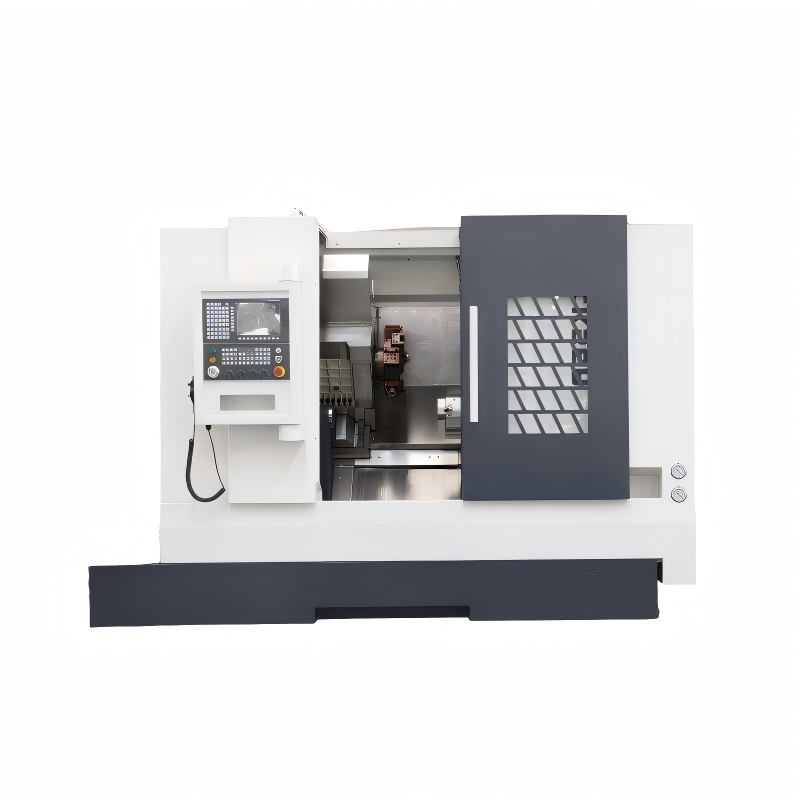
The bed of a precision metal lathe serves as the foundation upon which all other components are mounted. It is typically made from a rigid and stable material, such as cast iron, to ensure that the lathe remains stable and free from vibrations during operation. The bed is designed with precision-machined ways, which guide the movement of the carriage and tailstock. These ways must be straight and parallel to ensure that the cutting tool follows the correct path and maintains the required tolerances. The quality of the bed, including its rigidity and the precision of its ways, is fundamental to the overall performance and accuracy of the lathe. Regular maintenance, such as cleaning and lubrication, is essential to keep the bed in optimal condition and extend the life of the lathe.
The Control Panel: Integrating Modern Technology
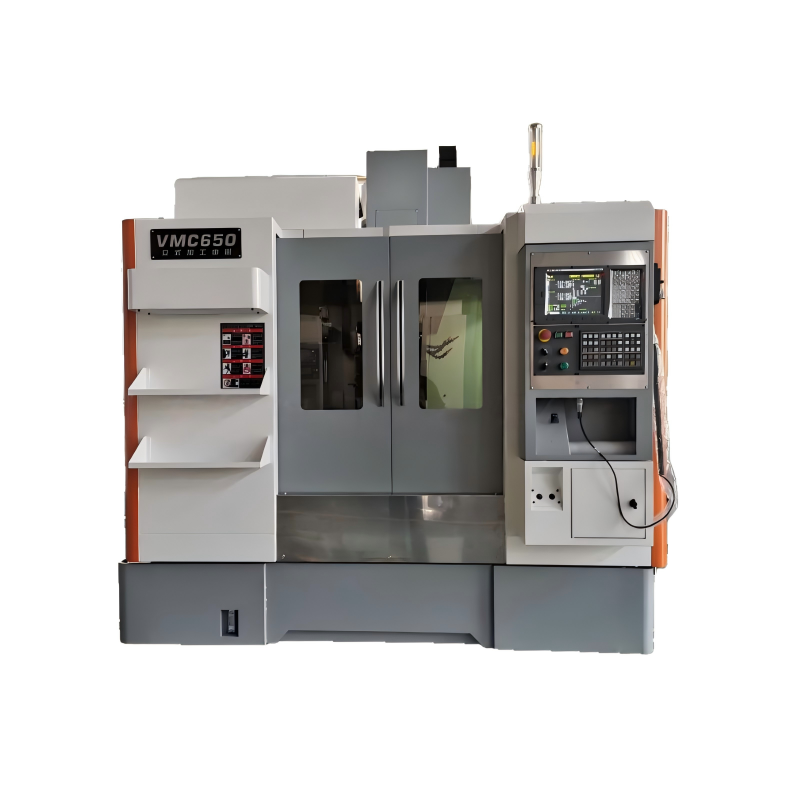
Modern precision metal lathes often feature advanced control panels that integrate digital technology to enhance the machining process. The control panel typically includes a numerical control (NC) or computer numerical control (CNC) system, which allows for the programming and automation of machining operations. This system can store and execute complex sequences of commands, enabling the lathe to perform intricate and repetitive tasks with high precision and consistency. The control panel also provides real-time feedback on the lathe's performance, such as spindle speed, feed rate, and tool position, allowing operators to monitor and adjust the process as needed. The integration of modern control systems not only improves the efficiency and accuracy of the lathe but also reduces the likelihood of human error, making it an invaluable addition to any machining setup.
In conclusion, the key components of a precision metal lathe, including the headstock, tailstock, carriage, bed, and control panel, each play a vital role in achieving high-precision machining. Understanding the function and importance of these components is essential for operators to maximize the performance and accuracy of their lathes. By maintaining and properly utilizing these components, manufacturers can produce high-quality, precision-machined parts that meet the demanding requirements of modern industry.

 26/06/2026



