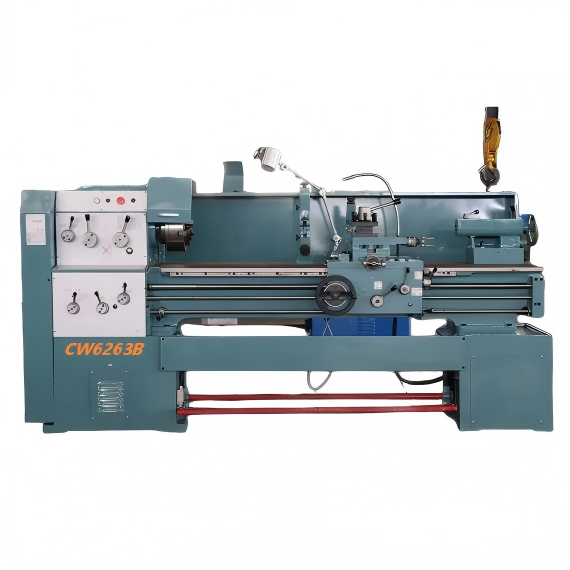
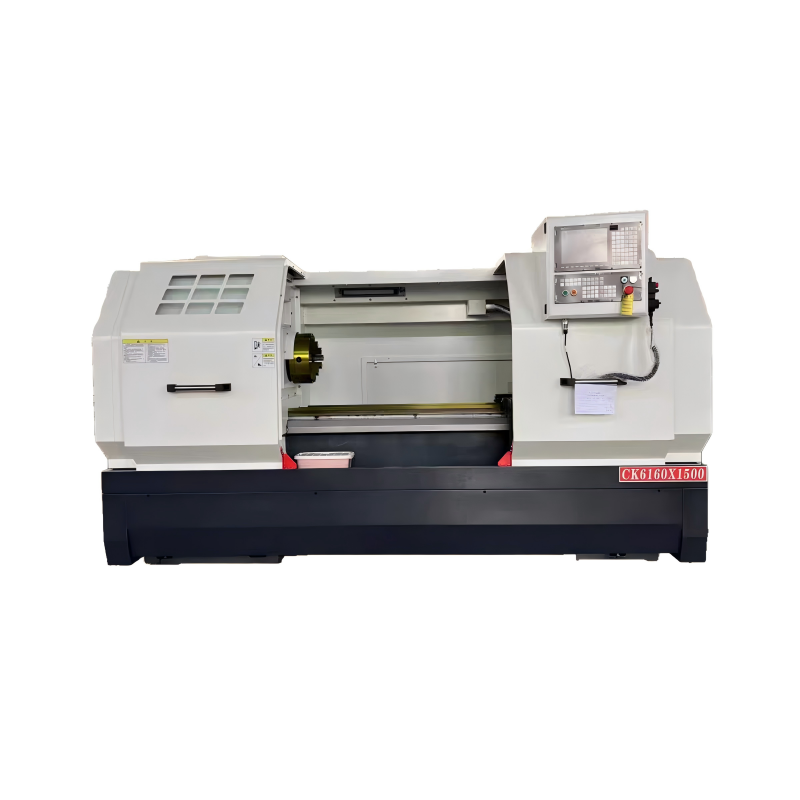
The art of metal turning, a cornerstone in the manufacturing and engineering industries, has been revolutionized by advancements in machinery. At the heart of this transformation lies the Precision Metal Lathe, an essential tool for achieving unparalleled accuracy and efficiency in producing cylindrical parts. This report delves into the intricacies of mastering the art of metal turning using a precision metal lathe, exploring its capabilities, operational nuances, and the skills required to leverage its full potential.
A Precision Metal Lathe is more than just a machine; it's a sophisticated instrument designed to shape metal with exceptional precision. These lathes are equipped with advanced features that allow for precise control over cutting operations, enabling manufacturers to produce components with tight tolerances. The fundamental aspects of a precision metal lathe include its rigid construction, high-resolution digital controls, and the ability to perform multiple operations such as turning, facing, and threading.
One of the key advantages of a precision metal lathe is its versatility. It can handle a wide range of materials, from soft metals like aluminum to harder alloys like stainless steel. The lathe's ability to maintain consistent performance across different materials makes it indispensable in various industrial applications, including aerospace, automotive, and medical device manufacturing.
To fully master the art of metal turning with a precision metal lathe, operators must be well-versed in the operational techniques and best practices. Proper setup is crucial, as it ensures the stability and alignment of the workpiece. This involves selecting the appropriate tooling, setting the correct speeds and feeds, and ensuring the workpiece is securely clamped.
Another critical aspect is the use of coolant. Coolant not only helps in reducing the temperature of the cutting tool and workpiece but also improves the surface finish and extends the tool life. Operators should be familiar with the different types of coolants available and their specific applications. Additionally, regular maintenance of the lathe, including lubrication and calibration, is essential to ensure optimal performance and longevity.
Modern precision metal lathes come equipped with a range of advanced features that enhance their functionality and efficiency. Computer Numerical Control (CNC) systems, for example, allow for automated and highly precise machining. CNC Lathes can execute complex programs, enabling the production of intricate and customized parts with minimal human intervention.
Other advanced features include live tooling, which allows for additional operations such as milling and drilling while the workpiece is still on the lathe. This not only saves time but also reduces the need for multiple setups, thereby improving overall productivity. Furthermore, the integration of sensors and monitoring systems in precision metal lathes provides real-time data on the machining process, allowing for immediate adjustments and quality control.
Mastering the art of metal turning with a precision metal lathe requires a combination of theoretical knowledge and practical experience. Training programs offered by manufacturers and educational institutions play a vital role in equipping operators with the necessary skills. These programs cover a wide range of topics, from basic lathe operation to advanced CNC programming and troubleshooting.
Continuous skill development is also essential, as the technology and techniques in metal turning are constantly evolving. Operators should stay updated with the latest trends and advancements in the field, attending workshops, seminars, and industry conferences. Additionally, hands-on experience is invaluable, and operators should seek opportunities to practice and refine their skills through real-world projects and challenges.
The precision metal lathe is a powerful tool that has transformed the landscape of metal turning. By understanding its fundamentals, adopting best practices, leveraging advanced features, and continuously developing skills, operators can master the art of metal turning and achieve outstanding results. As the demand for high-precision components continues to grow, the importance of precision metal lathes in the manufacturing industry will only increase, making them a critical asset for any modern workshop.
 25/06/2026
The Importance of Precision in MetalworkingIn the world of metalworking, precision is not just a desirable trait; it's an absolute necessity. A Precision Metal Lathe embodies this requirement, providing a level of accuracy that is crucial for the producti
Read More25/06/2026Enhanced Accuracy and ConsistencyA Precision Metal Lathe is a fundamental tool in modern metalworking, offering unparalleled accuracy and consistency. Unlike traditional lathes, precision metal lathes are designed with advanced features that ensure every
Read More25/06/2026The development of the precision metal lathe has been a cornerstone in the evolution of manufacturing processes, significantly impacting various industries. This report delves into how advancements in precision metal lathes have transformed production cap
Read More24/06/2026In the realm of modern manufacturing, the Precision Metal Lathe stands out as a cornerstone for achieving high levels of accuracy and efficiency. This report delves into how the integration of such machinery can significantly enhance production processes,
Read More24/06/2026In the world of manufacturing and machining, precision is not just a desirable trait; it is an absolute necessity. One tool that stands out for its ability to deliver high-precision results is the Precision Metal Lathe. This article will explore why a Pre
Read More24/06/2026A precision metal lathe is a fundamental tool in the manufacturing industry, renowned for its ability to produce highly accurate and intricate components. To ensure optimal performance and longevity, regular maintenance is essential. This guide provides a
Read More24/06/2026In the realm of manufacturing, precision and efficiency are key to staying competitive. One tool that has consistently proven its worth in achieving both these goals is the Precision Metal Lathe. This piece of machinery, with its advanced features, not on
Read More23/06/2026The precision metal lathe is an indispensable tool in the field of manufacturing, known for its ability to produce parts with high accuracy and fine finishes. This article aims to explore the capabilities of a Precision Metal Lathe, providing insights int
Read More23/06/2026IntroductionThe advent of the precision metal lathe has revolutionized the way high-tech industries manufacture components, leading to significant advancements in product quality and efficiency. These machines, characterized by their ability to produce pa
Read More23/06/2026A precision metal lathe is an essential tool for any workshop that requires high-accuracy machining. Selecting the right one can be a daunting task, given the wide range of options available in the market. This technical report aims to guide you through t
Read More23/06/2026The advent of precision metal lathes has revolutionized the way modern manufacturing operates, enabling greater accuracy, efficiency, and versatility in the production of complex components. This report delves into the capabilities of precision metal lath
Read MoreOur professional sales team is always ready to assist you.