The development of the precision metal lathe has been a cornerstone in the evolution of manufacturing processes, significantly impacting various industries. This report delves into how advancements in precision metal lathes have transformed production capabilities, improved efficiency, and opened new possibilities for design and engineering.
Enhancements in Accuracy and Efficiency
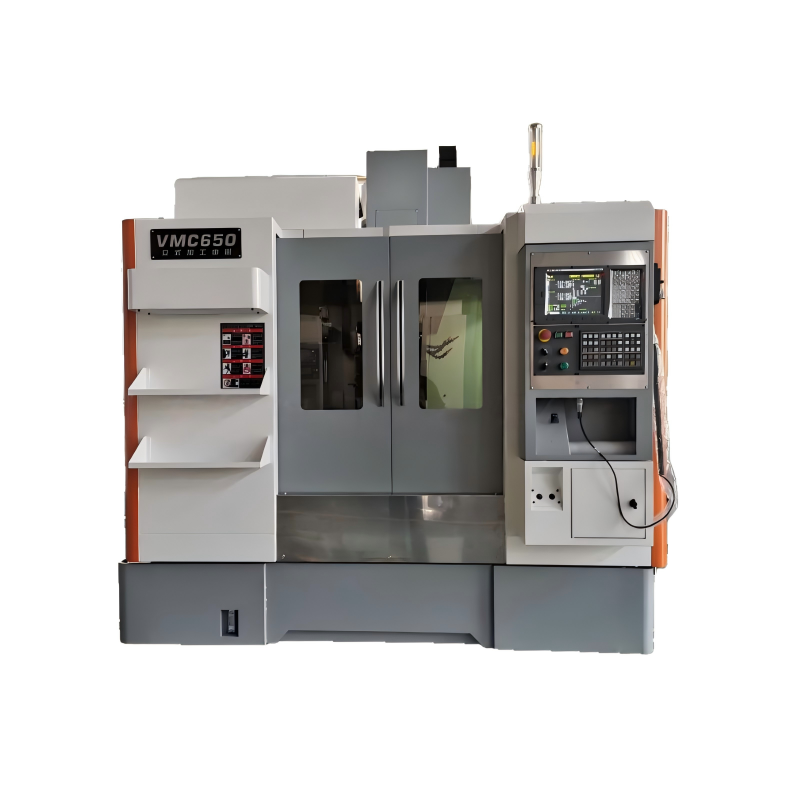
Over the years, the precision metal lathe has seen remarkable improvements in its ability to produce components with high accuracy and at faster rates. Modern lathes are equipped with advanced computer numerical control (CNC) systems, which allow for automated and highly precise operations. The integration of CNC technology means that today's lathes can achieve tolerances as tight as 0.001 inches, making them indispensable tools in industries where precision is critical, such as aerospace, automotive, and medical device manufacturing. Furthermore, the automation provided by these systems reduces human error, leading to more consistent product quality and increased productivity.
Innovation in Materials and Design
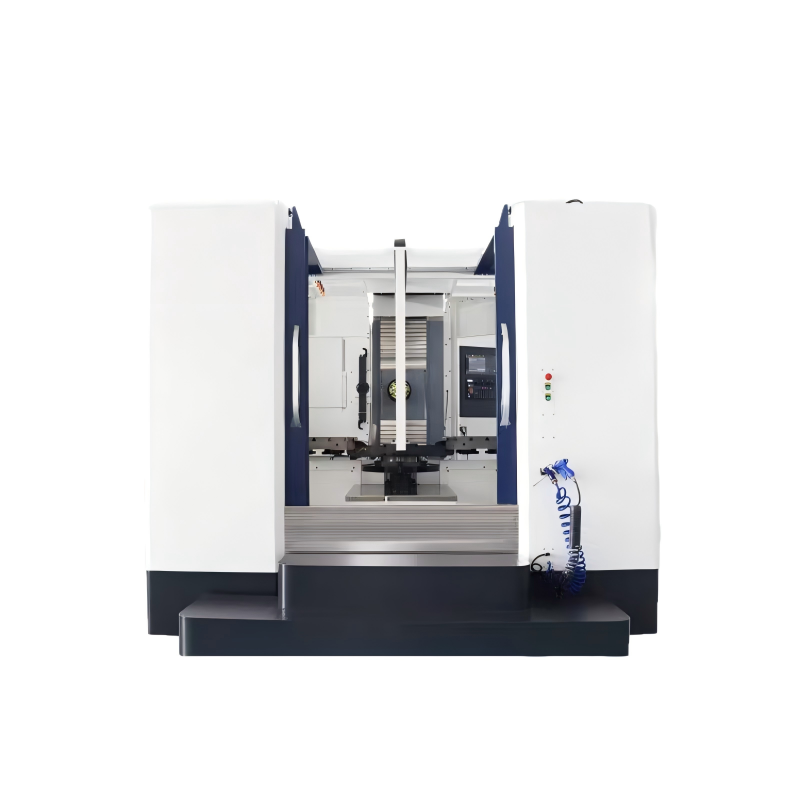
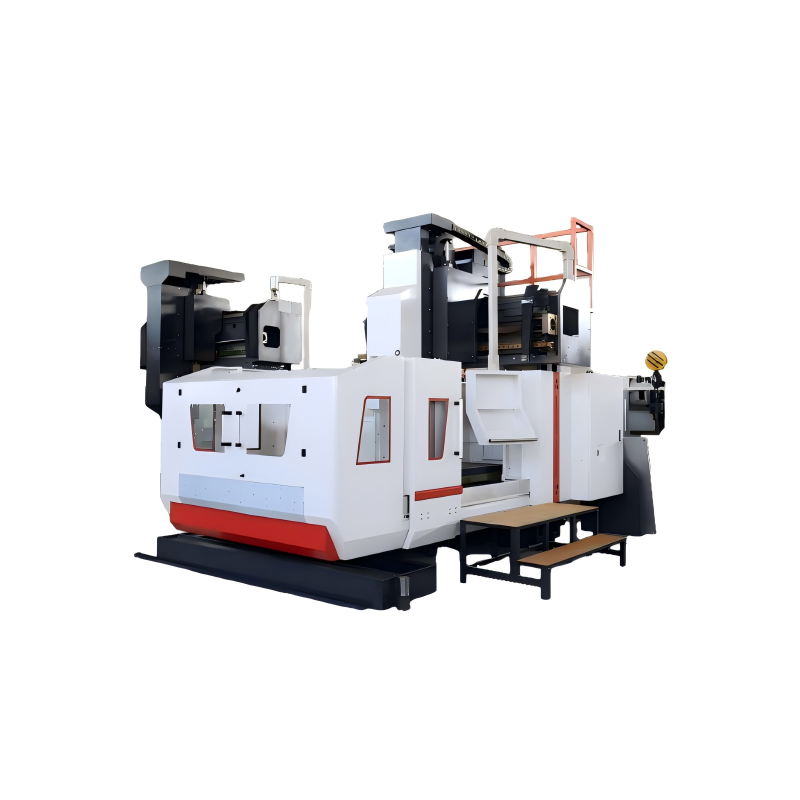
As the demand for more complex and durable parts grew, so did the need for innovation in both the materials used to construct the lathes themselves and the designs of the machines. Today’s precision metal lathes are built using stronger, lighter materials like composite alloys, which not only enhance their structural integrity but also reduce vibrations during operation, contributing to better surface finishes on machined parts. Additionally, innovations in machine design, including the use of multi-axis configurations, have expanded the range of shapes and sizes of components that can be produced, enabling manufacturers to meet the increasingly diverse needs of their customers.
Impact on Supply Chain and Economic Growth
The advancements in precision metal lathe technology have had a profound effect on supply chains and economic growth. By enabling faster, more accurate, and cost-effective production, these machines help businesses stay competitive in global markets. Moreover, the increased efficiency and flexibility afforded by modern lathes mean that companies can respond more quickly to changes in market demands, thereby enhancing their agility and resilience. In developing economies, the adoption of precision metal lathes has facilitated the establishment of local manufacturing bases, reducing dependency on imports and stimulating job creation. This, in turn, contributes to economic diversification and stability.
It is clear that the evolution of the precision metal lathe has played a pivotal role in shaping modern industry. As we look towards the future, it is likely that further technological advancements will continue to drive improvements in machining capabilities, opening up even more opportunities for innovation and growth across multiple sectors.

 25/06/2026



