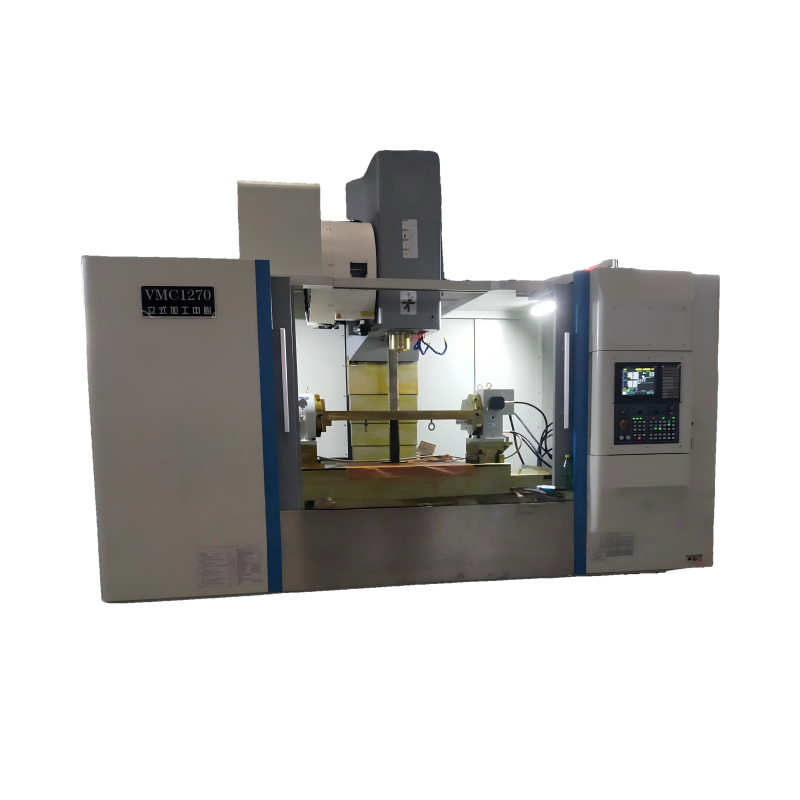
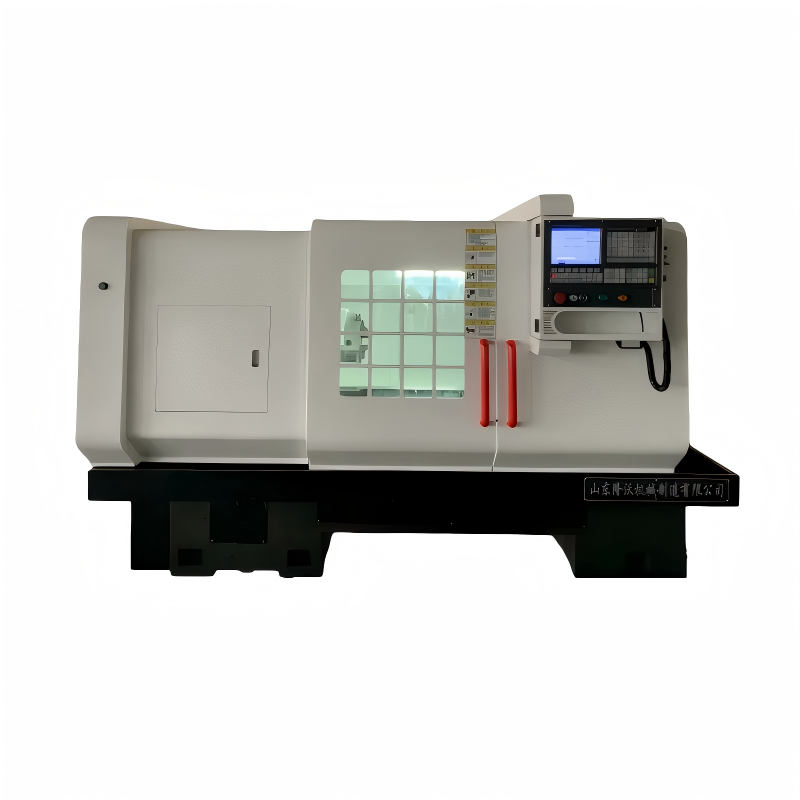
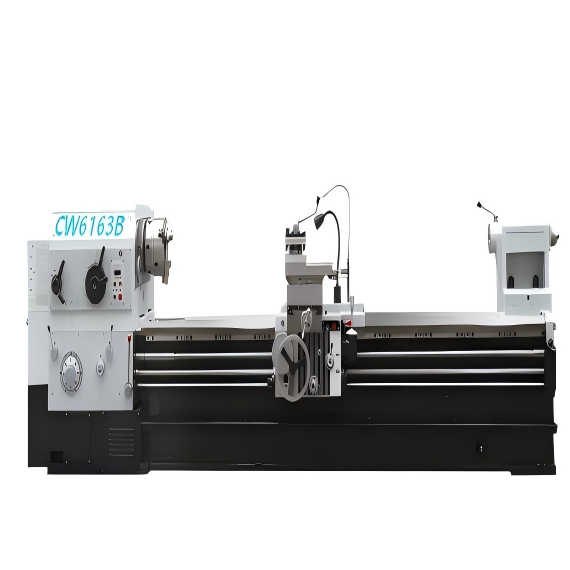
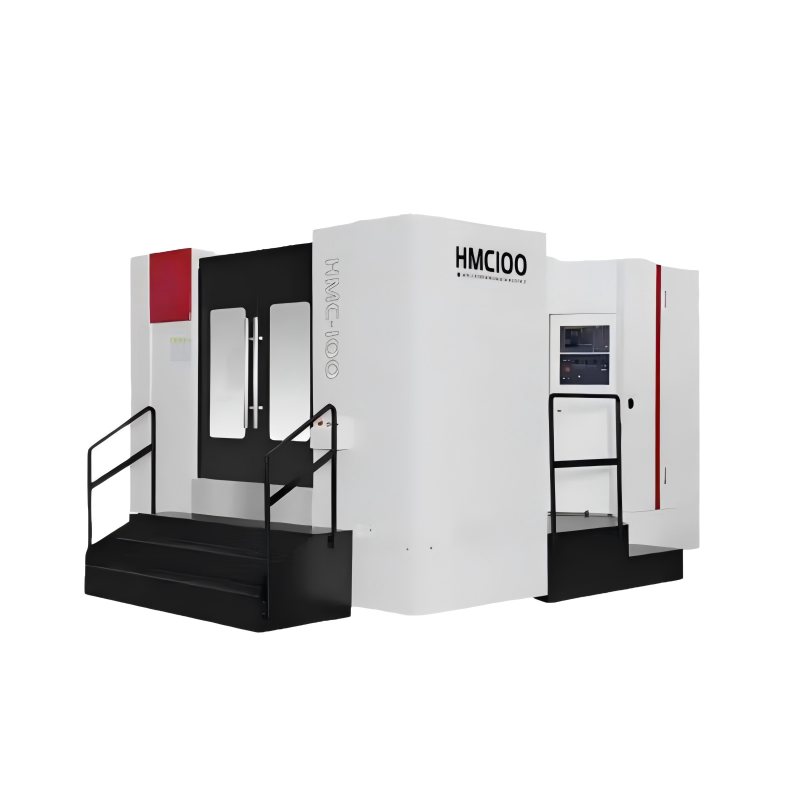
In the world of metalworking, precision is not just a desirable trait; it's an absolute necessity. A Precision Metal Lathe embodies this requirement, providing a level of accuracy that is crucial for the production of high-quality components. The ability to maintain tight tolerances and achieve consistent results is what sets apart a good machining process from a great one. In many industries, such as aerospace, automotive, and medical devices, even the slightest deviation can lead to catastrophic failures or subpar performance. Therefore, understanding how precision impacts various aspects of metal lathe operations is key to ensuring the success and reliability of manufactured parts.
Several factors contribute to the overall precision of a metal lathe operation. These include the quality and condition of the machine itself, the type of cutting tools used, and the skill of the operator. High-end lathes are designed with advanced features like computer numerical control (CNC) systems, which allow for automated and highly accurate machining processes. However, even with top-of-the-line equipment, the choice of cutting tools and their maintenance play a significant role in achieving desired outcomes. For instance, using sharp, well-maintained tools can significantly reduce errors and improve surface finish. Additionally, the experience and training of the machinist cannot be overstated. Skilled operators who understand the nuances of working with different materials and settings can make subtle adjustments that enhance the final product's quality.
To maximize precision during metal lathe operations, several techniques and best practices can be employed. One of these is the use of coolant. Proper cooling helps to keep both the workpiece and the cutting tool at optimal temperatures, reducing thermal expansion and maintaining dimensional stability. Another technique involves careful setup and alignment. Ensuring that all components of the lathe, including the chuck, tailstock, and tool holders, are properly aligned and secured can prevent unwanted vibrations and movements that could affect the accuracy of the cut. Furthermore, regular calibration and maintenance of the lathe are essential. Over time, wear and tear can cause misalignments and other issues that compromise precision. By conducting routine checks and servicing, potential problems can be identified and corrected before they impact the quality of the finished part. Lastly, utilizing advanced software and sensors can provide real-time feedback on the machining process, allowing for immediate corrections if deviations occur. This proactive approach ensures that every piece produced meets the required specifications, thereby enhancing the overall efficiency and reliability of the manufacturing process.
The level of precision achieved in metal lathe operations has a direct impact on both production efficiency and cost. When parts are manufactured with high precision, there is a lower likelihood of defects, which means fewer rejections and less waste. This not only improves the yield rate but also reduces the need for rework, leading to substantial savings in terms of time and resources. Moreover, precise machining allows for tighter tolerances, enabling the creation of more complex and intricate designs. As a result, manufacturers can produce higher-value products that meet stringent industry standards, potentially opening up new market opportunities. On the flip side, inadequate precision can lead to increased costs due to scrap, rework, and customer dissatisfaction. It may also necessitate additional inspection and testing procedures, further adding to the overall production expenses. Therefore, investing in precision technologies and practices is not just about improving quality; it's also a strategic decision that can drive long-term profitability and competitiveness in the marketplace.
In conclusion, the role of precision in metal lathe operations cannot be understated. From ensuring the safety and functionality of critical components to driving operational efficiency and reducing costs, the benefits of high-precision machining are manifold. As technology continues to advance, the capabilities of Precision Metal Lathes will only continue to grow, offering even greater opportunities for innovation and excellence in the field of metalworking. Manufacturers who prioritize precision and invest in the necessary tools, training, and processes will be well-positioned to thrive in an increasingly competitive global market. By embracing precision, they can not only meet but exceed customer expectations, setting themselves apart as leaders in their respective industries.
 25/06/2026
The art of metal turning, a cornerstone in the manufacturing and engineering industries, has been revolutionized by advancements in machinery. At the heart of this transformation lies the Precision Metal Lathe, an essential tool for achieving unparalleled
Read More25/06/2026Enhanced Accuracy and ConsistencyA Precision Metal Lathe is a fundamental tool in modern metalworking, offering unparalleled accuracy and consistency. Unlike traditional lathes, precision metal lathes are designed with advanced features that ensure every
Read More25/06/2026The development of the precision metal lathe has been a cornerstone in the evolution of manufacturing processes, significantly impacting various industries. This report delves into how advancements in precision metal lathes have transformed production cap
Read More24/06/2026In the realm of modern manufacturing, the Precision Metal Lathe stands out as a cornerstone for achieving high levels of accuracy and efficiency. This report delves into how the integration of such machinery can significantly enhance production processes,
Read More24/06/2026In the world of manufacturing and machining, precision is not just a desirable trait; it is an absolute necessity. One tool that stands out for its ability to deliver high-precision results is the Precision Metal Lathe. This article will explore why a Pre
Read More24/06/2026A precision metal lathe is a fundamental tool in the manufacturing industry, renowned for its ability to produce highly accurate and intricate components. To ensure optimal performance and longevity, regular maintenance is essential. This guide provides a
Read More24/06/2026In the realm of manufacturing, precision and efficiency are key to staying competitive. One tool that has consistently proven its worth in achieving both these goals is the Precision Metal Lathe. This piece of machinery, with its advanced features, not on
Read More23/06/2026The precision metal lathe is an indispensable tool in the field of manufacturing, known for its ability to produce parts with high accuracy and fine finishes. This article aims to explore the capabilities of a Precision Metal Lathe, providing insights int
Read More23/06/2026IntroductionThe advent of the precision metal lathe has revolutionized the way high-tech industries manufacture components, leading to significant advancements in product quality and efficiency. These machines, characterized by their ability to produce pa
Read More23/06/2026A precision metal lathe is an essential tool for any workshop that requires high-accuracy machining. Selecting the right one can be a daunting task, given the wide range of options available in the market. This technical report aims to guide you through t
Read More23/06/2026The advent of precision metal lathes has revolutionized the way modern manufacturing operates, enabling greater accuracy, efficiency, and versatility in the production of complex components. This report delves into the capabilities of precision metal lath
Read MoreOur professional sales team is always ready to assist you.