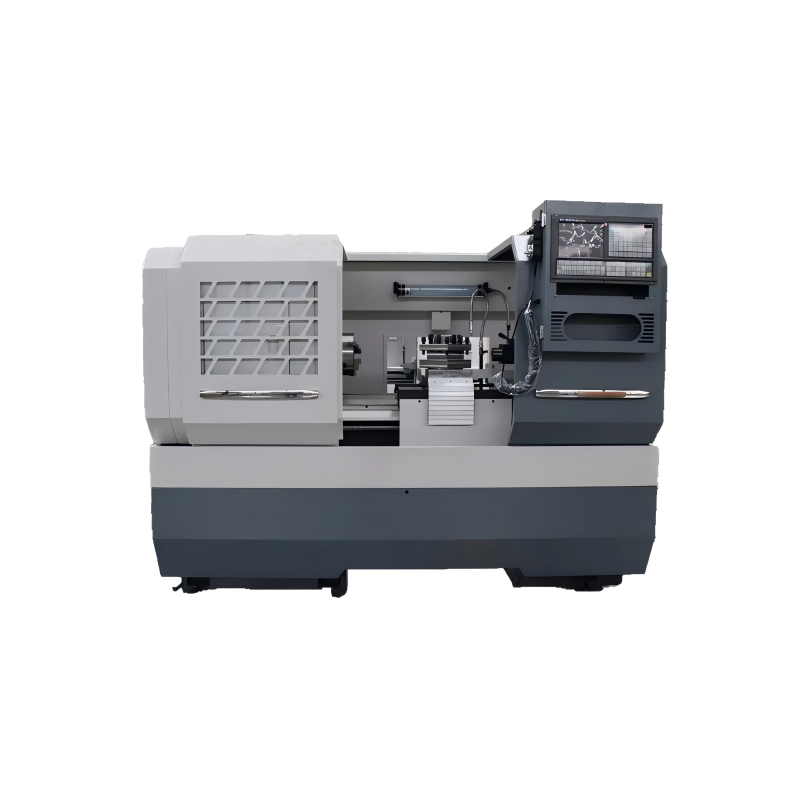
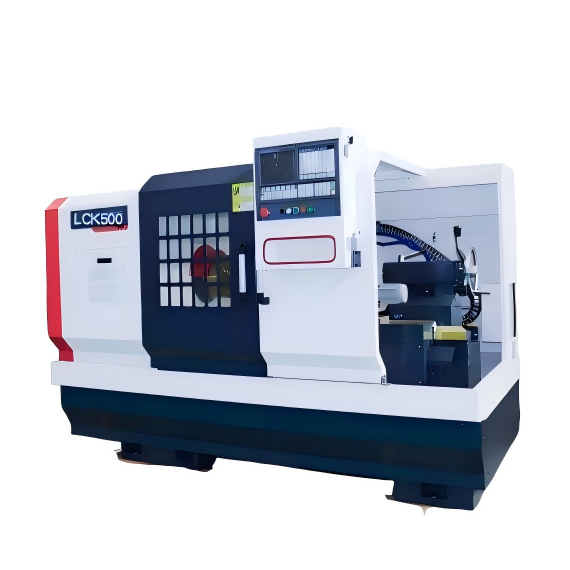
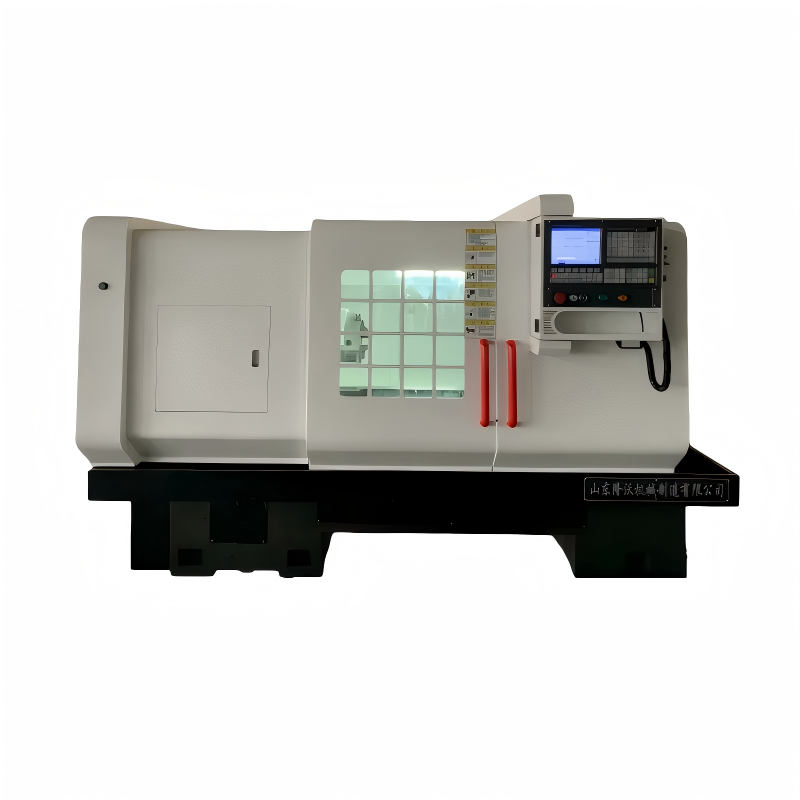
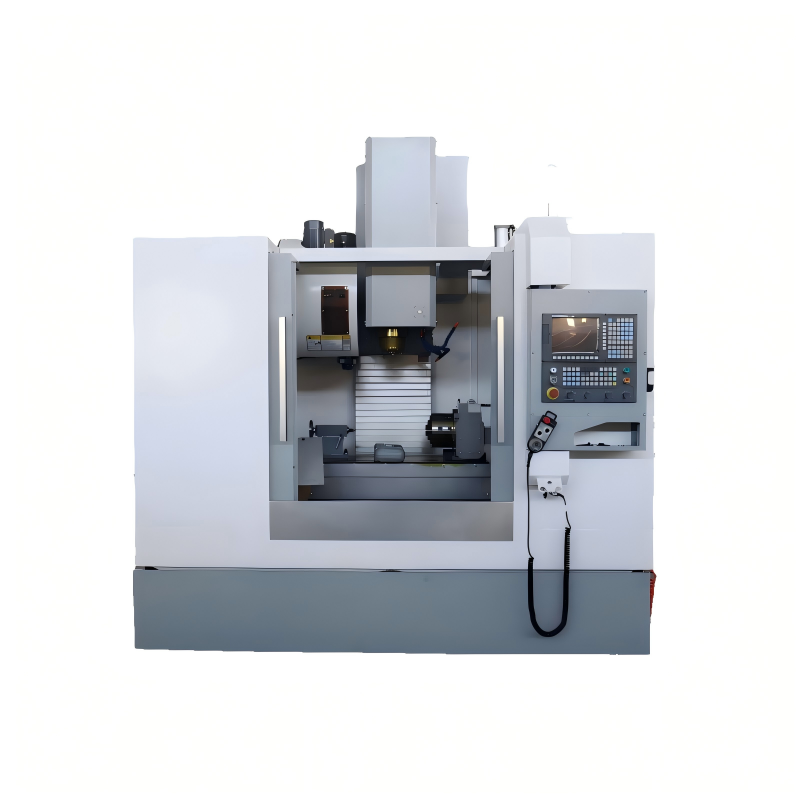
The continuous evolution of Computer Numerical Control (CNC) technology has been a driving force behind the advancement in manufacturing processes, enhancing both efficiency and accuracy. As industries increasingly seek more precise, faster, and cost-effective solutions, innovations in CNC programming have become paramount. This report explores several key advancements that are reshaping how we approach CNC machining, focusing on their impact on production quality, operational flexibility, and overall productivity.
One of the most transformative developments in CNC programming is the integration of advanced simulation and virtual machining tools. These technologies allow operators to test and refine machining operations in a digital environment before applying them to physical materials. By doing so, they can identify potential issues such as tool collisions or inefficiencies in cutting paths, thereby reducing waste and improving part quality. Moreover, this capability enables manufacturers to experiment with different strategies without the need for costly trial-and-error runs, significantly accelerating the development cycle while minimizing risks associated with direct machine use.
Simulation software also facilitates better collaboration among design, engineering, and production teams by providing a common platform where all parties can visualize and interact with the proposed machining process. Such enhanced communication leads to more informed decision-making, ensuring that every aspect of the project aligns with the desired outcomes. Additionally, these tools often include features like automatic path optimization, which further streamlines the programming phase, allowing for even greater precision and speed during actual machining.
Another significant area of innovation within CNC programming involves the application of artificial intelligence (AI) and machine learning (ML). These technologies enable machines to learn from past operations, adapt to new situations, and optimize performance over time. For instance, AI algorithms can analyze historical data to predict maintenance needs, thus preventing unexpected downtime and extending the lifespan of CNC equipment. Furthermore, ML models can be trained to recognize patterns in machining processes, enabling real-time adjustments to parameters such as feed rate, spindle speed, and tool selection based on the specific characteristics of the material being worked on.
This adaptive nature not only improves the consistency and reliability of output but also allows for the customization of machining tasks to meet unique requirements. In environments where high variability is a norm, such as in prototyping or small-batch production, AI-driven CNC systems offer unparalleled flexibility and responsiveness. They empower manufacturers to handle complex, multi-step operations with ease, all while maintaining the highest standards of accuracy and efficiency.
The rise of cloud computing has opened up new possibilities for CNC programming, particularly in terms of collaboration and accessibility. Cloud-based platforms provide a centralized repository for storing and sharing CNC programs, making it easier for team members across different locations to work together seamlessly. This setup supports remote monitoring and control of CNC machines, allowing experts to troubleshoot problems, adjust settings, or even perform complete reprogramming from anywhere in the world. Consequently, businesses can leverage specialized skills regardless of geographical constraints, fostering a more agile and responsive manufacturing ecosystem.
Beyond facilitating teamwork, cloud solutions also enhance data security and backup capabilities. With robust encryption and regular updates, these platforms protect sensitive information against unauthorized access and ensure that critical files are always available, even in the event of local system failures. Additionally, cloud services often come equipped with powerful analytics tools, enabling organizations to gain deeper insights into their operations through comprehensive reporting and visualization features. This wealth of data-driven knowledge helps in identifying trends, optimizing workflows, and making strategic decisions that drive long-term growth and competitiveness.
In conclusion, the landscape of CNC programming is undergoing a profound transformation, fueled by ongoing technological advancements. From sophisticated simulation and virtual machining techniques to the integration of AI and ML, and the adoption of cloud-based solutions, these innovations are collectively pushing the boundaries of what's possible in modern manufacturing. By embracing these cutting-edge approaches, companies can achieve unprecedented levels of efficiency, accuracy, and adaptability, positioning themselves at the forefront of the industry. As we look towards the future, it becomes clear that those who continue to innovate and invest in these areas will be best prepared to thrive in an ever-evolving market.
 01/06/2026
With the rapid advancement in technology, Computer Numerical Control (CNC) has emerged as a transformative force in the woodworking industry. This report delves into how CNC technology is reshaping modern woodworking techniques, offering unparalleled prec
Read More30/05/2026When it comes to manufacturing, the choice of machinery can significantly impact the efficiency and quality of your projects. One such critical piece of equipment is the CNC (Computer Numerical Control) machine, which has become indispensable in modern in
Read More29/05/2026The automotive industry, a cornerstone of modern manufacturing, has been undergoing significant transformations driven by technological advancements. One such innovation that is reshaping the sector's landscape is Computer Numerical Control (CNC) technolo
Read More28/05/2026CNC Machining: The Future of Precision Manufacturing is a topic that has garnered significant attention in the industrial and manufacturing sectors. As technology continues to advance, Computer Numerical Control (CNC) machining stands out as a critical co
Read MoreOur professional sales team is always ready to assist you.