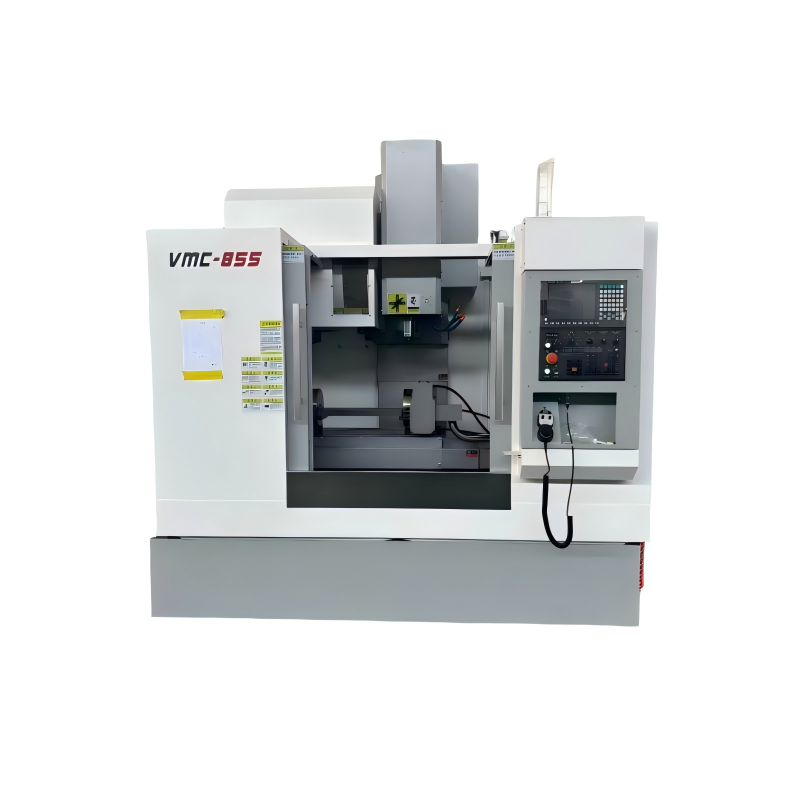
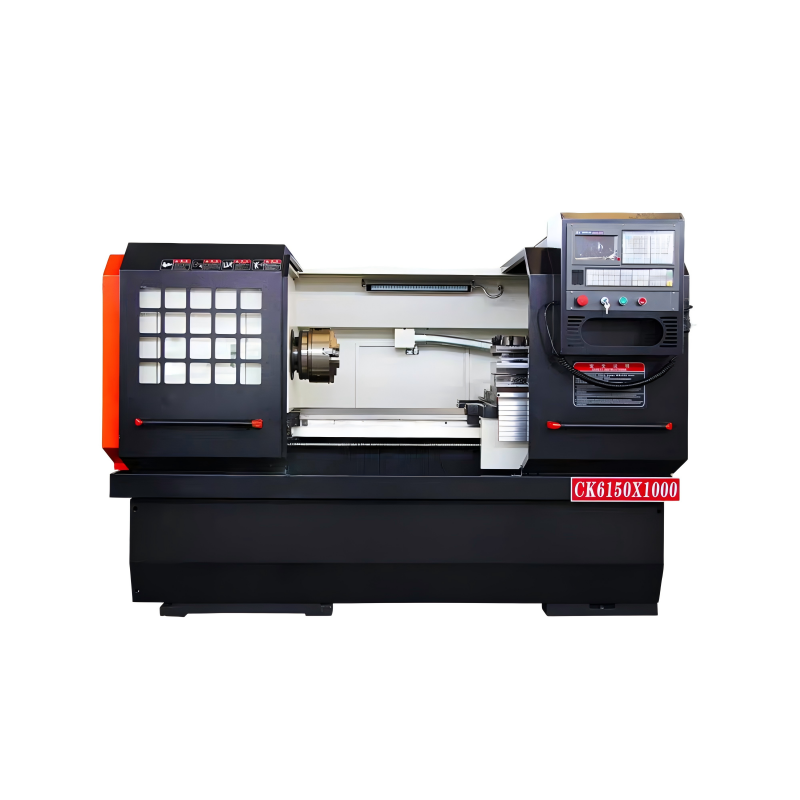
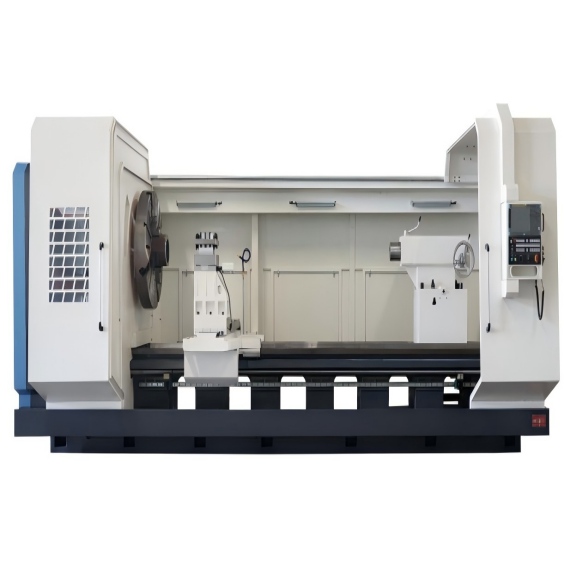
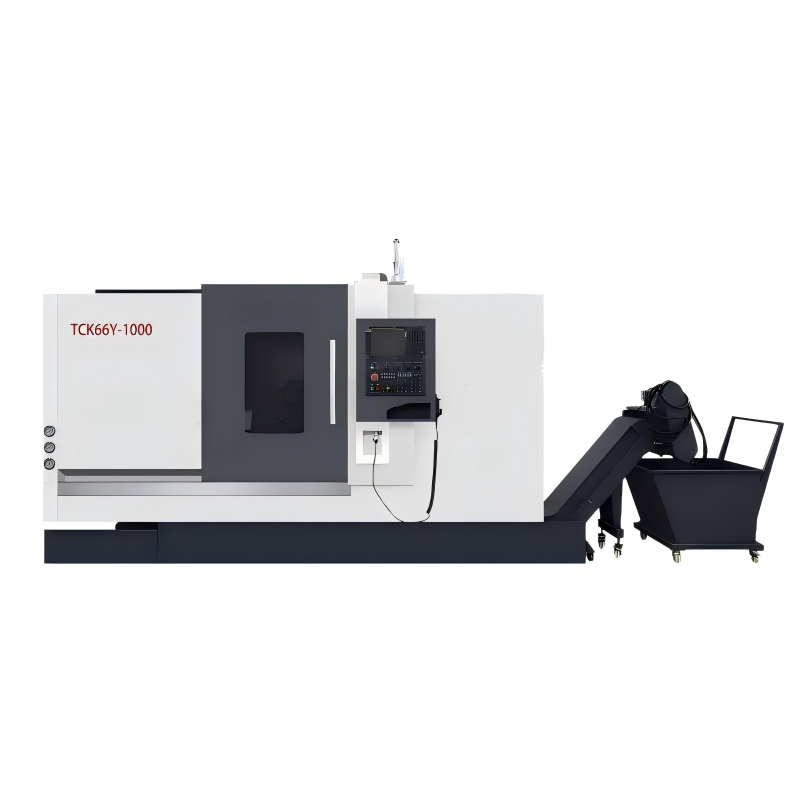
heavy-duty machining platforms represent a critical component in the manufacturing and engineering sectors, enabling the production of large, complex, and high-precision components. This comprehensive guide explores recent innovations within this field, focusing on advancements that have significantly impacted efficiency, accuracy, and sustainability. By examining these developments, we aim to provide industry professionals with valuable insights into how modern heavy-duty machining platforms are shaping the future of industrial manufacturing.
Innovation in material science has been a driving force behind the evolution of heavy-duty machining platforms. New materials, such as advanced composites and superalloys, offer superior mechanical properties compared to traditional metals. These materials can withstand extreme conditions, including high temperatures and pressures, making them ideal for use in aerospace, automotive, and energy industries. However, their unique characteristics also pose challenges during the machining process. To address these issues, manufacturers have developed specialized cutting tools and techniques. For instance, polycrystalline diamond (PCD) and cubic boron nitride (CBN) tools are now commonly used for machining hard-to-cut materials. Additionally, advancements in coating technologies, such as physical vapor deposition (PVD) and chemical vapor deposition (CVD), have extended tool life and improved surface finish quality. These innovations not only enhance the performance of heavy-duty machining platforms but also contribute to cost savings and increased productivity.
The integration of digital technologies has revolutionized the way heavy-duty machining platforms operate. Computer-aided design (CAD) and computer-aided manufacturing (CAM) software allow for the creation of highly detailed 3D models, which can be directly translated into precise machining instructions. This eliminates the need for manual programming, reducing the likelihood of human error and speeding up the production process. Moreover, the advent of Industry 4.0 concepts, such as the Internet of Things (IoT) and artificial intelligence (AI), has further enhanced the capabilities of these platforms. Sensors embedded in machines can collect real-time data on various parameters, including temperature, vibration, and wear. This information is then analyzed by AI algorithms to predict maintenance needs, optimize machine settings, and improve overall operational efficiency. As a result, heavy-duty machining platforms equipped with these digital technologies can achieve higher levels of precision, reduce downtime, and lower production costs.
Sustainability has become an increasingly important factor in the development of heavy-duty machining platforms. The environmental impact of manufacturing processes, including energy consumption and waste generation, is under scrutiny. In response, manufacturers are adopting more sustainable practices and technologies. One significant area of focus is the reduction of energy usage. High-efficiency motors, variable frequency drives (VFDs), and regenerative braking systems are being integrated into machines to minimize power consumption. Furthermore, the implementation of dry or near-dry machining techniques, which use minimal amounts of coolant, helps to reduce water usage and mitigate the disposal of hazardous fluids. Another aspect of sustainability involves the recycling and reuse of materials. Advanced recycling technologies enable the recovery of valuable raw materials from scrap, reducing the need for virgin resources. Additionally, some companies are exploring the use of renewable energy sources, such as solar and wind power, to further decrease their carbon footprint. By prioritizing sustainability, heavy-duty machining platforms not only contribute to a greener future but also align with the growing demand for environmentally responsible manufacturing.
In conclusion, the landscape of heavy-duty machining platforms is continuously evolving, driven by advancements in material science, digital technologies, and a commitment to sustainability. These innovations not only enhance the performance and efficiency of machining operations but also address the environmental challenges faced by the manufacturing industry. As we move forward, it is essential for industry stakeholders to stay informed about these developments and embrace new technologies to remain competitive and meet the demands of a rapidly changing world.
 05/06/2026
In today’s rapidly evolving manufacturing landscape, the demand for precision and efficiency in production processes has never been higher. One of the key technologies driving this transformation is the heavy-duty machining platform. These advanced system
Read More05/06/2026In the rapidly evolving landscape of manufacturing, the integration of advanced technologies has become a cornerstone for achieving efficiency, precision, and sustainability. One such technology that stands out is the heavy-duty machining platform. This a
Read More05/06/2026Choosing the right heavy-duty machining platform for your project is a critical decision that can significantly impact productivity, cost-efficiency, and overall project success. This guide will provide you with a comprehensive overview of the key factors
Read More05/06/2026In the realm of industrial manufacturing, the selection of appropriate machinery and platforms is crucial for achieving optimal production efficiency, quality, and cost-effectiveness. One such solution that stands out in this context is the heavy-duty mac
Read MoreOur professional sales team is always ready to assist you.